

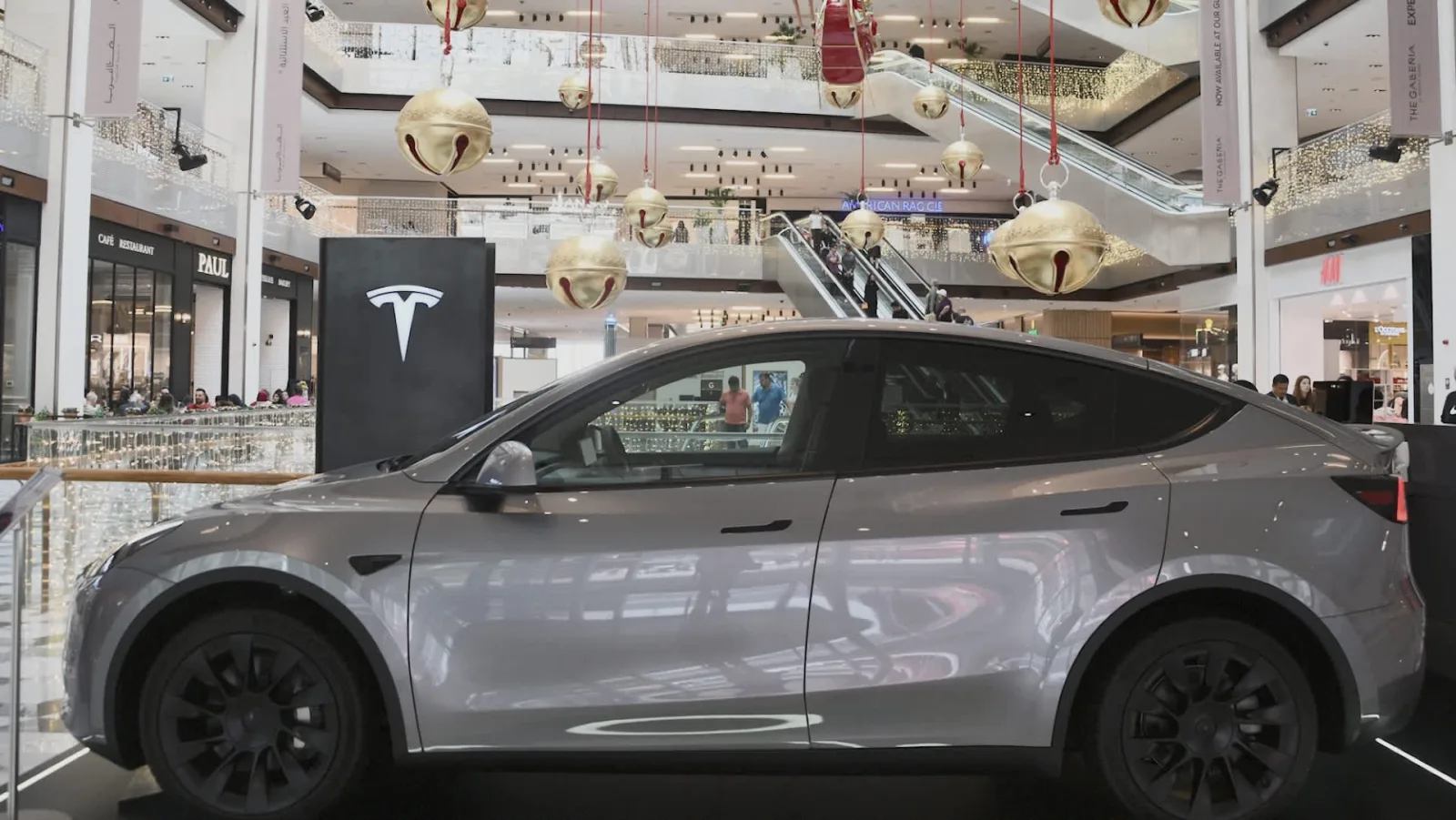
A driver who once dismissed electric vehicles has reevaluated after comparing expenses and switching from a heavy-duty pickup to a Tesla Model Y. Covering exceptionally high mileage, he found that owning the EV trimmed his annual costs substantially across multiple categories, including fueling, financing, and insurance.
Tom Forsythe, who logged about 100,000 miles over three years driving a Chevy Silverado 2500 Series, realized much of his travel didn’t require a large truck. Initially skeptical of EVs, he shared on a Tesla owners’ forum that his view shifted only after running a detailed cost analysis. Financing the Model Y Premium AWD nearly fully through a low-interest loan, Forsythe found the math straightforward: his savings outweighed the Tesla’s sticker price.

A key factor driving his savings was home charging, which accounted for roughly 90% of his energy intake using hardwired equipment in his garage. This alone saved him an estimated $7,000 to $8,000 annually. On top of that, financing costs dropped sharply from 5% interest on the Silverado to 1% on the Tesla, saving thousands more per year. Insurance premiums also decreased, with the Silverado costing him $1,200 annually compared to about $1,032 for the Model Y. Forsythe pointed out that the gasoline savings effectively covered his monthly financing payments.
This experience highlights how total ownership costs—including fuel, maintenance, insurance, and financing—can shift the financial balance in favor of EVs, particularly for drivers with high mileage and access to home charging. Unlike gas-powered vehicles, EVs produce no tailpipe emissions, contributing to reduced greenhouse gases and air pollution.
Forsythe’s case isn’t universal. The extent of savings depends heavily on individual driving habits, vehicle needs, and charging infrastructure availability. Prospective buyers should assess their annual mileage, the necessity of large gas vehicles, and access to affordable home or nearby charging. Examining financing options, insurance rates, and fuel costs in tandem can provide a clearer picture of true vehicle expenses. For many, especially those replacing larger vehicles or commuting extensively, switching to an EV may prove more economical than anticipated.