

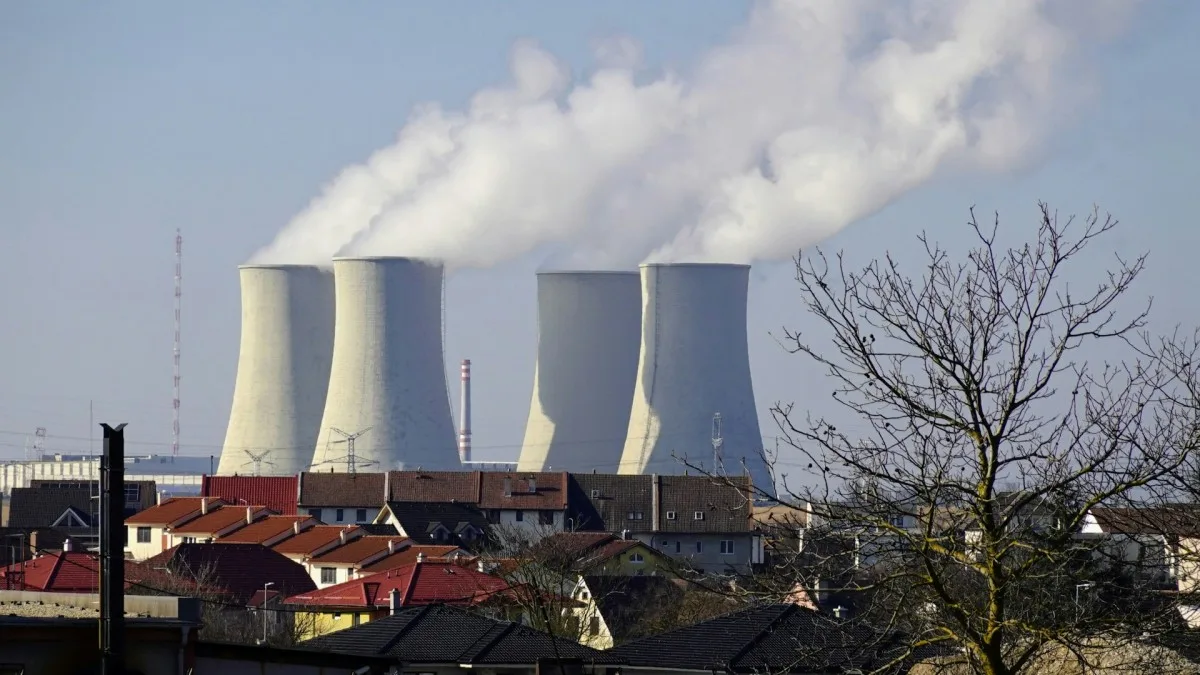
France has begun curbing output at several of its nuclear power plants as soaring river temperatures limit the availability of cooling water critical for reactor operations. With a severe heat dome approaching, the country is set to reduce production at up to five plants, two of which have already scaled down output this week. This reduction compounds challenges across Europe’s electric grid amid rising demand and climate-driven stress on energy infrastructure.
The recent heat wave in France shattered temperature records, reaching 44°C, and caused a transformer failure that left tens of thousands of homes without electricity during extreme conditions. These unprecedented heat levels not only threaten human health but also strain ecosystems, especially rivers that serve as the primary cooling sources for nuclear plants. Warmer waters reduce cooling efficiency, forcing safety-mandated power curtailments during peak electricity consumption periods.

France’s nuclear fleet provides a large share of the country’s electricity and supplies power to neighboring nations, including Germany and the United Kingdom. Any sustained reduction in output could create ripple effects across these interconnected markets, affecting energy availability and prices. Experts emphasize the urgent need to adapt power systems and infrastructure to withstand changing weather patterns and safeguard energy security.