

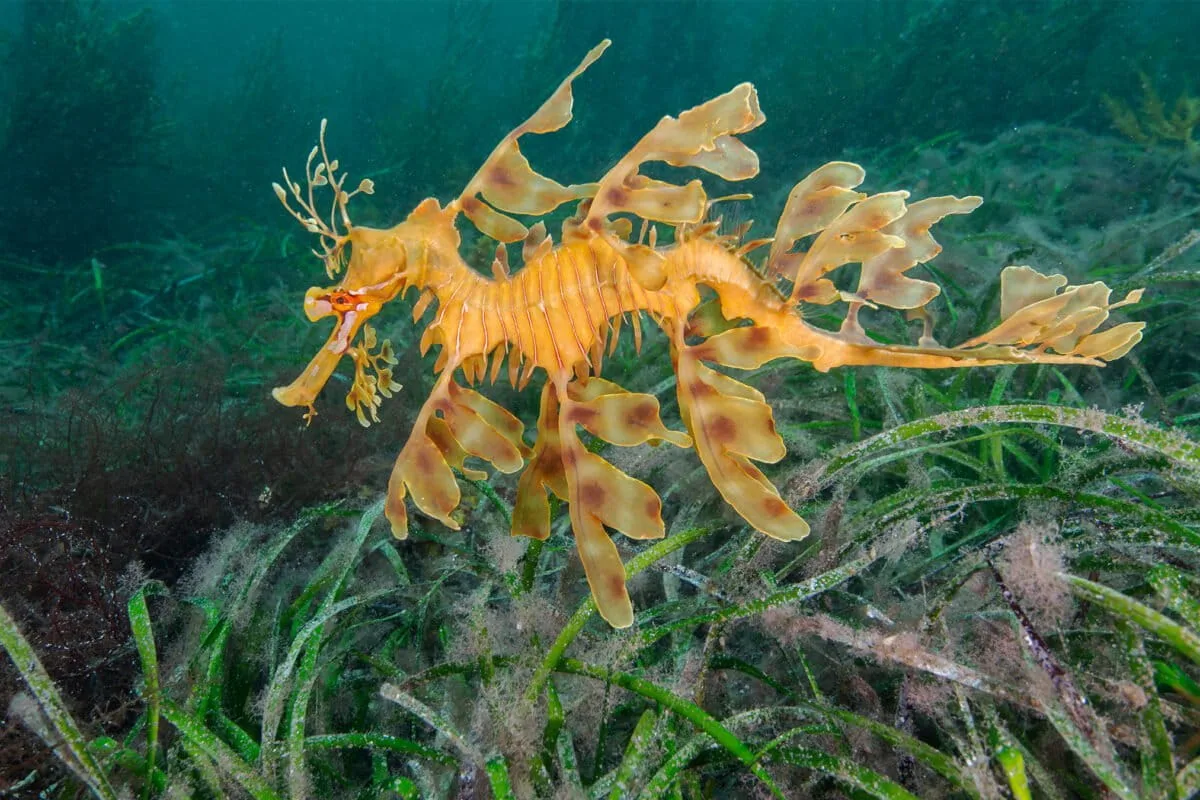
Australia hosts one of the world’s largest and most diverse seagrass ecosystems, spanning an area greater than Belgium. These underwater meadows play a fundamental role in stabilizing sediments, supporting marine life, filtering pollutants, and capturing carbon dioxide. Yet, they face escalating threats from warming oceans and human activities along the coast.
Seagrasses, often overlooked compared to coral reefs, form essential habitats for numerous marine species, including commercially important fish. The Great Barrier Reef alone contains about 3.5 million hectares of seagrass, representing roughly 11% of the global total and encompassing half of the world’s seagrass species diversity found in Australia’s waters.

Rising sea temperatures triggered by climate change increase the frequency and intensity of marine heatwaves, storms, and cyclones, which inflict significant damage on these fragile meadows. Additionally, environmental challenges such as algal blooms reduce the sunlight reaching seagrasses, particularly in southern parts of Australia, further hindering their growth and survival. Pollution and ongoing coastal development compound these stresses, affecting both the ecosystem’s health and its ability to recover.
In response, conservation groups and scientific researchers are intensifying restoration efforts, aiming to rehabilitate damaged meadows and enhance their resilience to future environmental changes. Innovative approaches include large-scale planting initiatives using various seagrass species, with the goal of routine restoration comparable to seeding a lawn. Such efforts underscore the urgency of protecting these ecosystems, which contribute to biodiversity, fisheries sustainability, and climate mitigation.
Experts caution that while seagrass ecosystems face unprecedented challenges, they are not necessarily doomed. Preserving the healthiest and most protected meadows remains critical to ensuring their persistence amid shifting coastal conditions. Their survival is increasingly vital not only for marine species but also for global carbon sequestration efforts, marking seagrasses as key players in Australia’s environmental future.