

The U.S. military conducted a series of strikes against Iranian positions early Wednesday in response to recent attacks on three merchant ships sailing off the coast of Oman. The operations aimed to hold Iran accountable for targeting commercial vessels navigating international waters, according to a statement from U.S. Central Command.
The strikes came after an alarming spike in maritime aggression in the Strait of Hormuz region, a critical chokepoint for global oil shipments. U.S. forces acted to impose significant consequences on what they termed Iran’s “unwarranted, dangerous” behavior, which violates established ceasefire agreements.

Iranian state media reported explosions near Qeshm Island in the Strait and in Bandar Abbas on the Persian Gulf shore, signaling direct impacts from the U.S. attacks. Tehran’s Foreign Ministry condemned the U.S. decision, asserting that revoking an authorization to sell Iranian oil contravened a prior interim deal. Iran's deputy foreign minister also underscored that the U.S. military actions breached the terms of that agreement, increasing regional tensions.
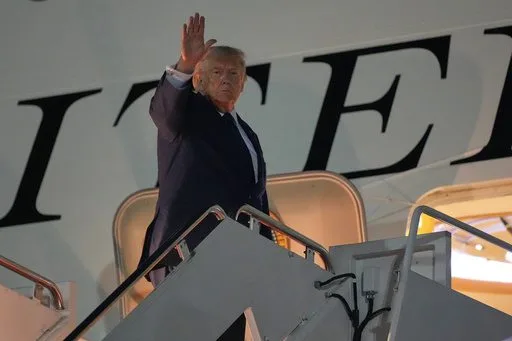
The strikes coincided with a NATO summit in Ankara, where U.S. President Donald Trump met Turkish President Recep Tayyip Erdoğan. During the summit, Trump announced plans to lift sanctions on Turkey, potentially paving the way for F-35 fighter jet sales despite Israeli opposition. He also voiced criticism of NATO’s reliance on American military leadership and expressed frustration over some allies' refusal to join U.S. and Israeli initiatives against Iran.
Additionally, Trump revived a controversial claim regarding Greenland, insisting it should fall under U.S. control rather than Denmark’s, a stance that raised concerns about the future cohesion of the NATO alliance. With the U.S. pivoting its strategic focus, NATO leaders sought to demonstrate enhanced military capabilities through multi-billion-dollar cooperation projects aimed at strengthening European defense.
The U.S. Treasury Department had also revoked a general license permitting the sale of Iranian oil shortly before the strikes, though officials did not publicly explain the timing. The move followed a series of maritime incidents this summer involving tanker attacks, amplifying international alarm over Iran’s actions in this vital shipping corridor.