

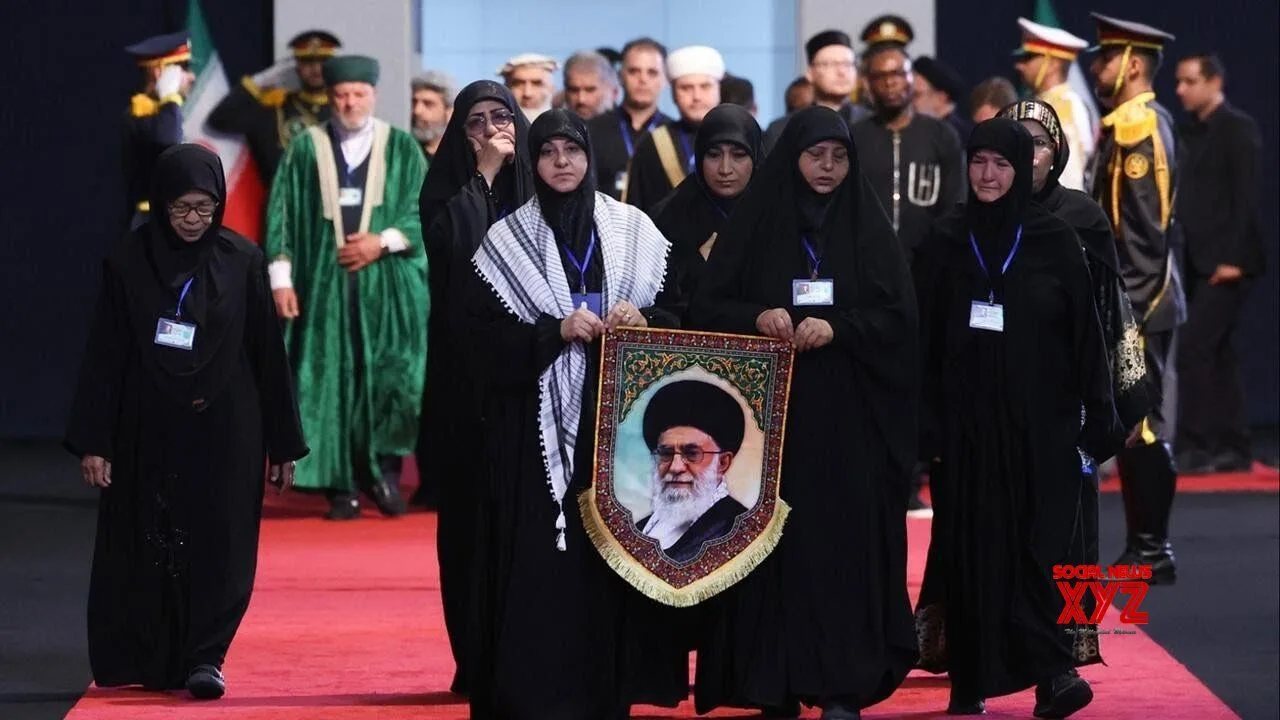
Diplomatic efforts between the United States and Iran have been placed on hold due to the funeral proceedings for former Supreme Leader Ayatollah Ali Khamenei. The intermission marks a significant pause in ongoing negotiations aimed at resolving tensions between the two countries.
Iran's national ceremonies for Khamenei draw extensive attention domestically and internationally, prompting the suspension of official diplomatic engagements. This pause reflects the profound impact of the former leader’s death on Iran’s political and social spheres, temporarily sidelining peace talks.

Analysis from national security experts highlights that while the pause interrupts current momentum, the underlying issues in U.S.-Iran relations remain complex. The timing underscores the challenge of balancing domestic observances with international diplomacy during periods of national mourning.
Peace talks between the U.S. and Iran have included discussions on nuclear programs, sanctions, and regional security. The interlude caused by the funeral does not close the door to future negotiations but signals a sensitive period that necessitates caution from both sides.
The funeral ceremonies and their nationwide observance are a reminder of the deep-rooted political structures in Iran, which influence how both internal decisions and international diplomacy unfold. Observers await the resumption of talks once Iran concludes its period of mourning and political recalibration.