

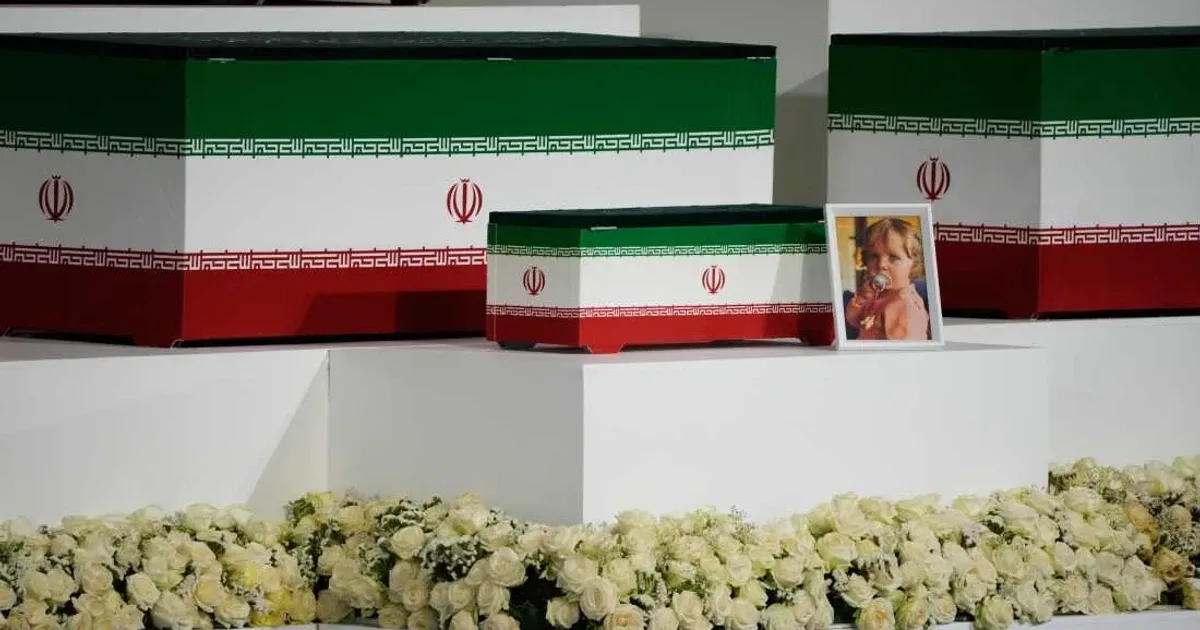
Iran paused ongoing peace talks with the United States as the country began a multi-day public mourning period for Ayatollah Ali Khamenei, whose casket, draped in the national flag, was displayed in Tehran ahead of a funeral expected to attract millions of mourners. This solemn event marks a significant political and social moment amid ongoing conflict in the region.
The funeral ceremonies are scheduled to last several days, culminating with Khamenei’s burial in his hometown of Mashhad. His death followed a U.S.-led strike earlier in the year during the broader war involving the United States and Israel. Iranian authorities have framed the mourning as both a tribute to their late leader and a demonstration of national solidarity under pressure.

Military leaders in Iran issued stern warnings against any potential attacks by U.S. or Israeli forces during the funeral procession, highlighting the heightened security risks amid the live conflict. Authorities anticipate massive crowds along the routes between Tehran and Mashhad, prompting extensive security measures to manage both the scale of the event and the volatile regional tensions.
This moment is being compared to the 1989 funeral of Ayatollah Ruhollah Khomeini, which became a defining ritual reinforcing the Islamic Republic’s authority. The authorities view such mass gatherings as crucial to display public loyalty and sustain the legitimacy of state institutions during times of crisis.
Diplomatic sources indicate that peace negotiations are likely to resume once the mourning period concludes. For now, the funeral dominates both public attention and political priorities, serving as a barometer of Iran’s internal resilience and cohesion amid ongoing external pressures.