

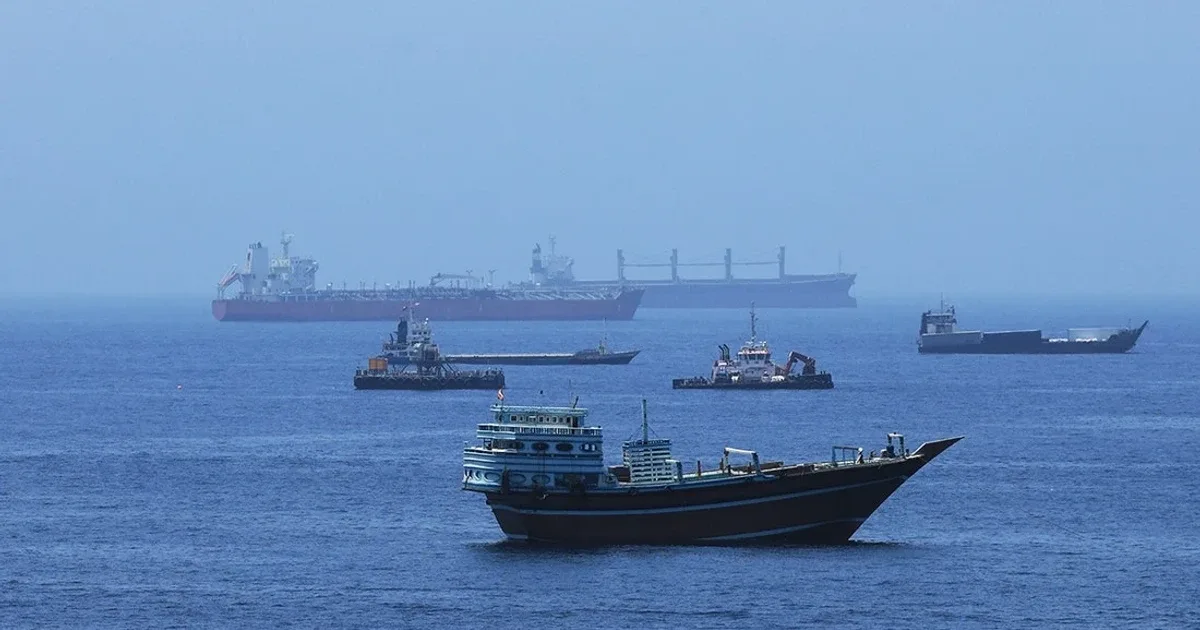
Tensions between the United States and Iran escalated after a Singapore-registered cargo ship was hit near Oman, prompting US military strikes on Iranian missile and drone installations. This incident disrupted a fragile ceasefire established just days earlier to stabilize the strategically critical Strait of Hormuz and pave the way for renewed nuclear negotiations.
The vessel, Ever Lovely, was struck while transiting the narrow waterway, a vital chokepoint for global energy supplies, but all 21 crew members were reported safe. The attack led to the suspension of a United Nations International Maritime Organization escort mission, signaling a deteriorating security environment for commercial shipping in the region.

Following the ship attack, the US responded with targeted strikes on Iranian military infrastructure near the Gulf. Washington accused Tehran of breaching the ceasefire by launching drone attacks on commercial vessels. Iran retaliated with strikes on US-affiliated targets in Bahrain and Kuwait, threatening to abandon ongoing nuclear negotiations if strikes continued.
This cycle of military actions has complicated regional stability by reintroducing strain on air defense systems around Gulf military bases and reducing maritime escort presence for merchant traffic. The ceasefire framework, originally designed to halt hostilities for 60 days and reopen diplomatic channels, now faces significant risk of collapse amid rising violence.
The unrest has reversed earlier market optimism linked to the June 15 agreement, increasing concerns about disruptions in a corridor responsible for a substantial portion of the world’s oil transit. As US-Iranian exchanges intensify, the security and economic implications for energy and shipping sectors remain uncertain.