

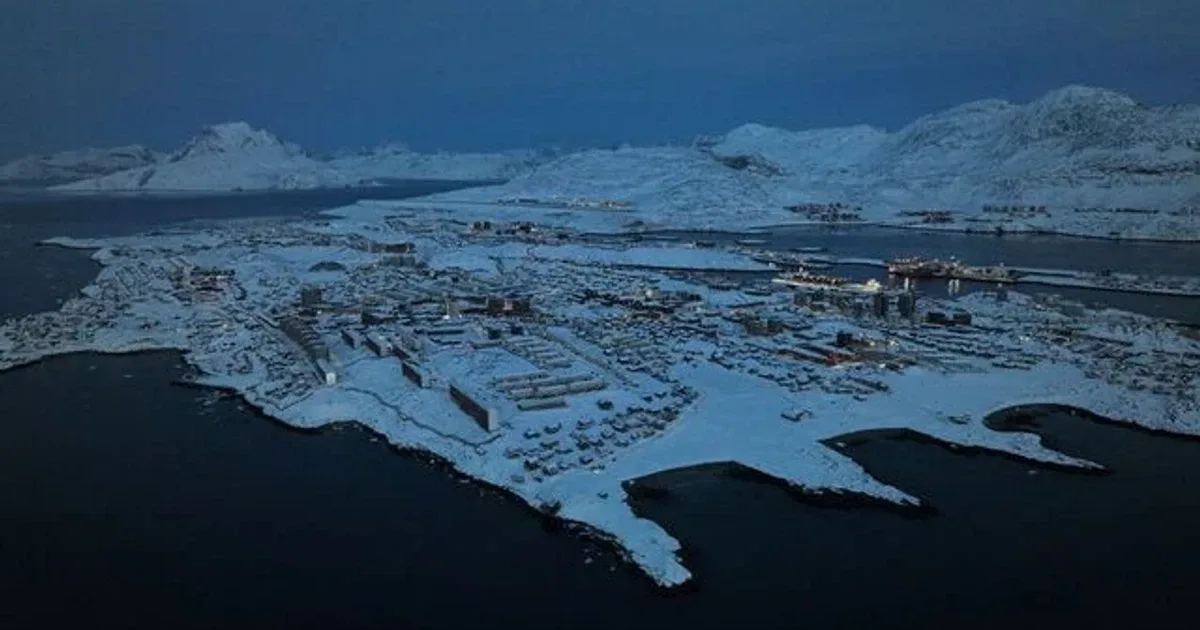
During the NATO summit in Ankara, Donald Trump reignited his controversial demand for the United States to take control of Greenland, a semi-autonomous Danish territory of strategic significance. This assertion disrupted an event focused on alliance cohesion, defense spending, and support for Ukraine.
Trump emphasized Greenland’s critical position in the Arctic, highlighting its importance amid increasing Russian and Chinese military activities in the region. His remarks also underscored broader tensions with Europe, including his critique of Denmark’s investment in Greenland and the potential reevaluation of US troop deployments across the continent.

The Danish Prime Minister firmly rejected Trump’s claim, stressing that Greenland is not for sale and reaffirming Denmark’s sovereignty over the territory. Greenland’s foreign minister echoed this stance, affirming that any future decisions about Greenland must be made by its inhabitants, framing the issue as one of self-determination rather than geopolitical bargaining.
This exchange punctuated a NATO gathering designed to showcase unity in addressing shared security challenges such as Russian aggression, Iranian threats, and the ongoing conflict in Ukraine. The summit, hosted by Türkiye for the second time, focused on commitments to defense investment and collective deterrence under Article 5, which commits allies to mutual defense.
Trump’s move highlighted how territorial and military considerations remain deeply intertwined in US strategic thinking, even within alliances committed to collective security. By revisiting Greenland’s status, a recognized NATO member territory, Trump exposed underlying fractures in alliance diplomacy at a moment when solidarity is paramount.