

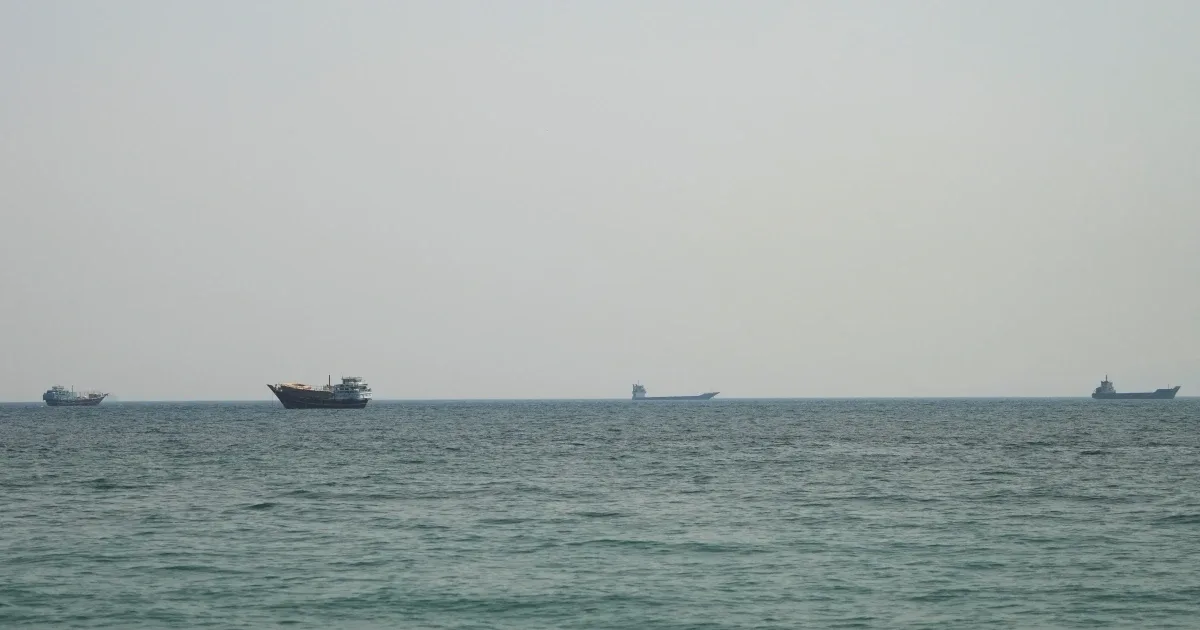
Iran announced a renewed closure of the Strait of Hormuz following intense missile and drone exchanges targeting U.S. forces in the Gulf. This move threatens a strategic maritime corridor that handles a significant portion of the world’s oil and natural gas shipments, raising immediate concerns for global energy supply and prices.
The latest conflict expands beyond the waters, with U.S. facilities across Qatar, the United Arab Emirates, and Kuwait coming under attack. Emirati air defenses engaged incoming Iranian projectiles, while Qatar continues efforts to mediate ceasefire talks amid rising hostilities.

Tehran justifies the Strait’s closure by citing what it calls illegal U.S. military activity in the region. The blockade’s impact has already driven up fuel costs worldwide, feeding into broader inflationary pressures that carry political weight, especially approaching significant U.S. elections. American personnel and assets stationed at Gulf bases remain vulnerable as the likelihood of further Iranian strikes looms.
Diplomatic efforts to de-escalate have weakened since an agreement on June 28 aimed at halting attacks and reopening access to the Strait. United Nations Secretary-General António Guterres warned that continued conflict could lead to catastrophic consequences, urging renewed negotiations. Qatar condemned the recent strikes as breaches of sovereignty and international law.
Humanitarian efforts are underway after missile attacks on vessels near Oman. Authorities rescued dozens of crew members, though India reported a missing citizen following the assault on a container ship in nearby waters. The tensions come after U.S. President Donald Trump declared major combat operations against Iran earlier in the year, signaling a potential escalation in military engagement.