

Lindsey Graham’s death has left a significant void in Republican support for Ukraine, especially within the Donald Trump-aligned faction of the party. Until his passing, Graham stood as Ukraine’s strongest advocate among Trump’s circle, frequently translating Kyiv’s appeals into language that resonated with Republican leaders and voters. His role was pivotal in shaping bipartisan support for tougher sanctions against Russia amid the ongoing conflict.
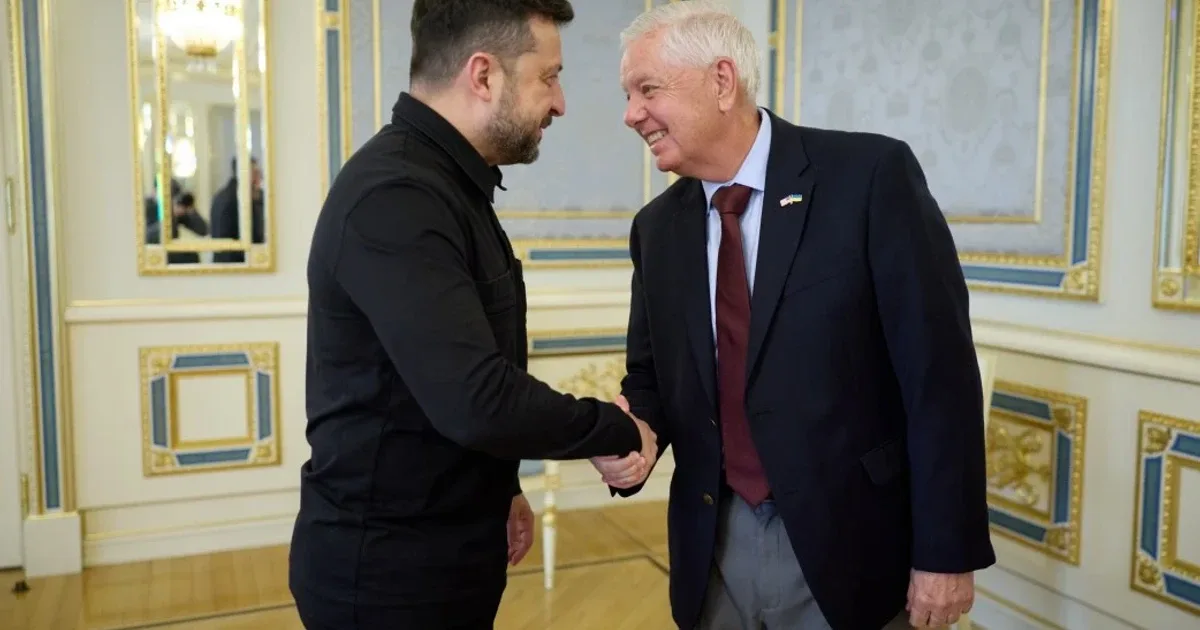
Shortly before his death, Graham traveled to Kyiv, where he met President Volodymyr Zelenskyy and inspected drone facilities, underscoring his active engagement with Ukraine’s defense efforts. Zelenskyy praised Graham’s commitment, noting the senator had visited Ukraine multiple times since the Russian invasion began. Such visits reinforced Graham’s reputation not just as a symbolic ally but as a key figure driving tangible support.

Graham had recently announced progress on a bipartisan Russia sanctions bill co-sponsored with Senator Richard Blumenthal, which by then had garnered wide Senate backing. The legislation aimed to impose both primary and secondary sanctions targeting Russia and entities bolstering its war effort. A subsequent iteration proposed granting the Trump White House authority to levy tariffs of up to 500 percent on imports from countries purchasing Russian energy commodities. This measure reflected an aggressive approach to cutting off Russia’s financial resources and strengthening Ukraine’s position.
In Kyiv, Graham indicated that he had reached an understanding with the White House regarding a version of the bill that would gain official support, creating a potential pathway through an administration historically cautious about open-ended aid. His unique blend of senatorial influence, proximity to Trump, and steadfast backing of Ukraine had positioned him as the rare figure capable of bridging the often-complicated divides between the Senate, the White House, and Kyiv’s interests.
With Graham’s sudden absence, the Senate loses a critical player who could advocate for Ukraine while navigating the internal dynamics of Republican politics. This gap complicates ongoing efforts to pass expanded sanctions and sustain aid. Meanwhile, Graham’s vacant Senate seat introduces a domestic political contest that could further absorb attention and resources away from foreign policy initiatives.
Senator Richard Blumenthal remains a driving force behind the sanctions bill but lacks Graham’s unique connections that blended personal access to Trump and credibility among Republican peers. The absence of Graham’s voice leaves uncertainty over who within Trump’s orbit can sustain Ukraine’s cause at this critical moment in the conflict and in Washington’s legislative process.