

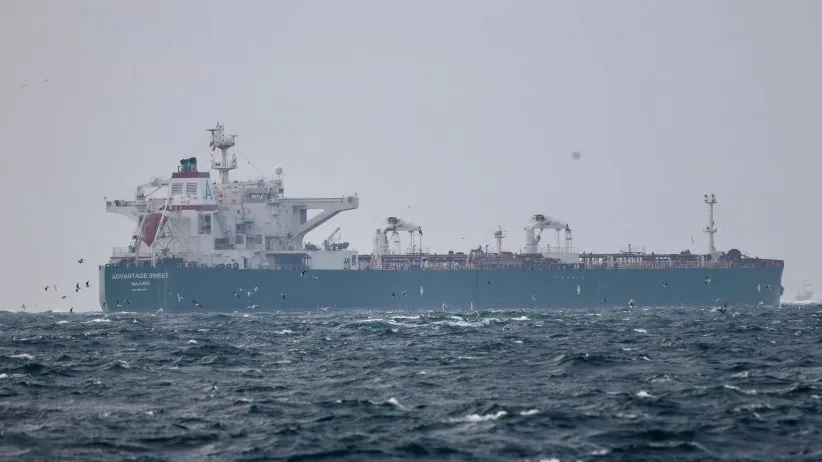
Iran’s military command issued a firm directive requiring all oil tankers passing through the Strait of Hormuz to follow routes sanctioned by Tehran, warning that deviation would trigger an immediate hostile response. The announcement underscored Iran’s unwavering control over this vital maritime chokepoint, a critical artery for global oil exports.
This announcement came shortly after U.S. and Iranian negotiators met in Qatar to discuss expanding an interim agreement toward a broader peace accord. While the talks reportedly showed progress, Iran’s military posture indicates no dilution of its control over the strait’s navigation. Officials stated that any U.S. interference in the waterway would receive a swift and decisive reaction, emphasizing heightened tensions despite diplomatic engagement.

Maritime traffic data reflects a partial recovery in tanker movements since the conflict’s peak, yet activity remains significantly below pre-war levels. Recent transit figures show daily crossings fluctuating between 30 and 60 vessels, well short of the roughly 130 daily transits typical before hostilities intensified. Iran maintains that it holds sovereign authority to direct tanker routes, a claim rejected outright by Washington and Gulf Arab states. Tehran also insists it will impose transit fees once the current toll-free period in the interim agreement expires.
This unresolved maritime dispute complicates global oil market dynamics. Traders had anticipated a rapid normalization of Gulf exports, resulting in a decline in benchmark Brent crude prices toward pre-war levels. However, Iran’s reinforced restrictions could constrain supply flows and foster continued uncertainty in this strategic passageway.