

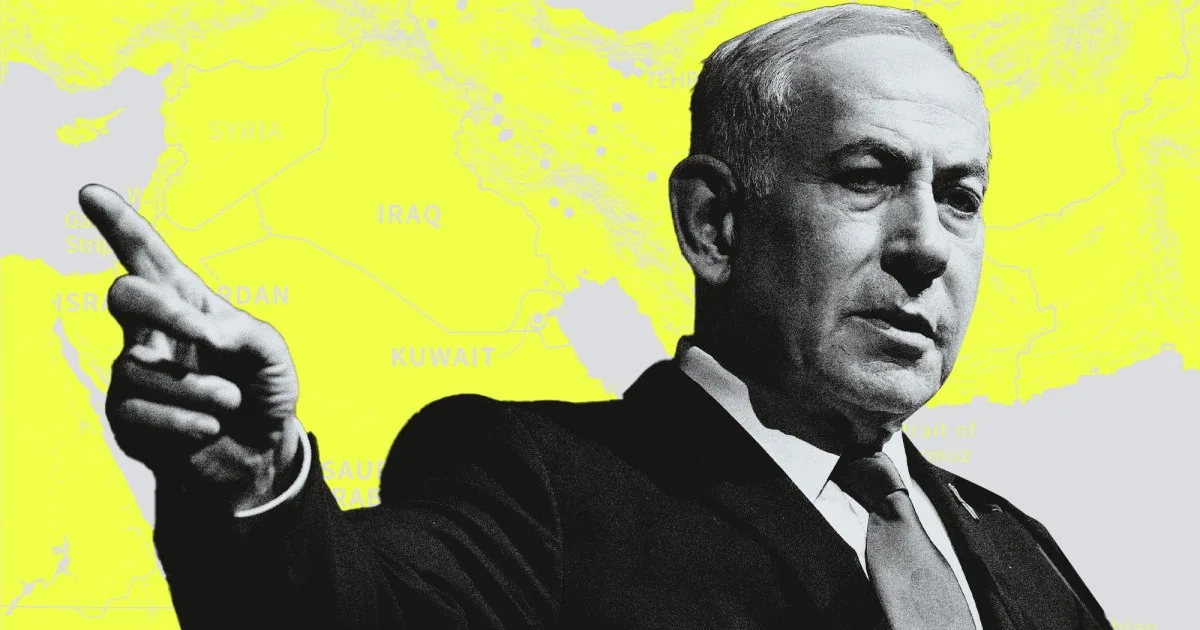
The ongoing conflict between the US, Israel, and Iran has been marked by sharp contradictions, stalled diplomacy, and escalating violence. Despite joint efforts by Washington and Jerusalem to negotiate an end to hostilities, military operations have continued, undermining the fragile ceasefire agreed upon in June. Meanwhile, Iran’s losses from the war have mounted alongside Lebanon’s, signaling no immediate end in sight.
Experts familiar with the region’s dynamics note that Iran once appeared willing to negotiate a deal that would have been stronger than the existing Joint Comprehensive Plan of Action (JCPOA). According to Nate Swanson, a seasoned analyst and former US official involved in Iran policy, Iran faced significant internal and external pressures by 2025, including military setbacks against Israel, domestic unrest, and economic difficulties. These factors created a rare opening for serious negotiations.

However, Swanson argues that Netanyahu’s aggressive approach severely damaged US diplomatic leverage and fractured alliances vital to containing Iran’s influence. Prior to the most intense phase of the conflict, the United States held considerable advantages, including Iran’s weakened proxies and limited air defenses. Yet, Netanyahu’s refusal to de-escalate and continued military assaults in southern Lebanon and against Hezbollah—a key Iranian ally—undermined trust and complicated potential compromises.
The Israeli-Lebanon security agreement recently celebrated by the US failed to secure Hezbollah’s acceptance, and Israeli strikes persisted despite formal ceasefire efforts. This fractured landscape reflects a broader challenge: overlapping national agendas in the region have intensified hostilities rather than restrained them, leaving diplomatic channels precariously open but largely ineffective.
Low-level talks involving US and Iranian officials in Qatar revealed the volatile nature of any negotiation attempts, with public statements from both sides contradicting the reality of the meetings. The mixed signals reinforce that despite agreements on paper, strategic interests and distrust continue to dominate the interactions.
Swanson contends that a different negotiation strategy, perhaps involving less Israeli hardline interference, could have yielded a more durable security arrangement. Instead, Netanyahu’s conduct contributed to entrenched positions across multiple actors, increasing the likelihood of a wider regional conflict rather than a peaceful resolution.
As the conflict persists, the human cost remains high with thousands of casualties reported within Iran and Lebanon. The situation highlights the deep complexity of Middle Eastern geopolitics, where local, national, and international interests collide, often at the expense of diplomatic progress.