

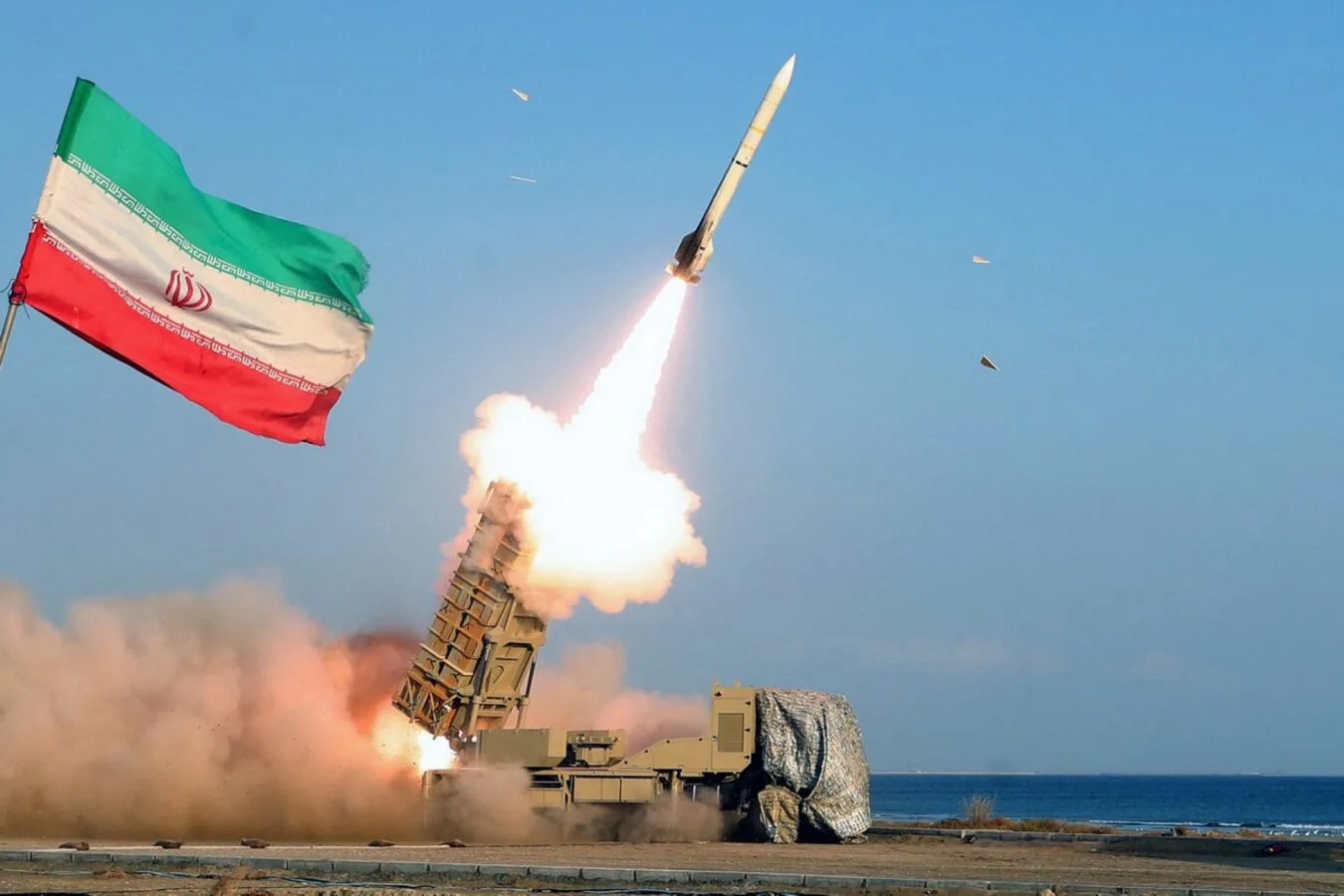
Iran escalated tensions in the Gulf by declaring the closure of the Strait of Hormuz, a crucial passage for global oil shipments, after launching coordinated missile and drone strikes against several Gulf states. The attacks targeted Qatar, the United Arab Emirates, Bahrain, Jordan, and Oman, while notably excluding Saudi Arabia from the offensive actions.
The Iranian Islamic Revolutionary Guard Corps (IRGC) justified its retaliation following US military strikes inside Iran, which came after the IRGC fired on a Cyprus-registered container ship accused of navigating an unauthorized route through the Strait. Iranian state media reported a second vessel was also engaged for violating maritime regulations, prompting air raid sirens and missile interceptions across affected Gulf countries.

Bahrain experienced air raid alerts, while Qatar and the UAE confirmed intercepting incoming missiles, with Qatar reporting three injuries. Kuwait and Jordan also claimed to have intercepted missile attacks, with three landing on Jordanian territory. The IRGC asserted that the strikes targeted logistical and refueling facilities at Oman’s Duqm port, used to support US aircraft carriers in the region.
Iran’s official stance emphasized that the Strait of Hormuz would remain closed “until further notice and until the end of American interventions in this region.” This declaration came with warnings over the Iranian naval authorities enforcing approved shipping corridors, having stopped vessels that ignored navigation instructions.
The attacks also affected commercial shipping, including the Indian-flagged vessel GFS Galaxy, which was struck in waters east of Oman. India reported that 11 nationals were onboard, with 10 rescued and one missing. The Indian foreign ministry condemned the attacks on civilian shipping and called for the restoration of free navigation in compliance with international law.
This military exchange intensifies conflict in a region vital to global energy supplies. The Strait of Hormuz carries a significant portion of the world’s oil exports, and disruptions there have serious implications for international markets. Iran maintains its right to regulate passage and collect fees, a position rejected by Washington as contrary to customary international law, which protects straits used for international navigation from toll imposition.
Amid the ongoing confrontation, Iran’s supreme leader stressed the necessity for retaliation linked to the killing of his father, underscoring the regime’s determination to continue its response against perceived foreign aggression. The situation jeopardizes the fragile interim agreements aimed at de-escalating broader hostilities in the region.