

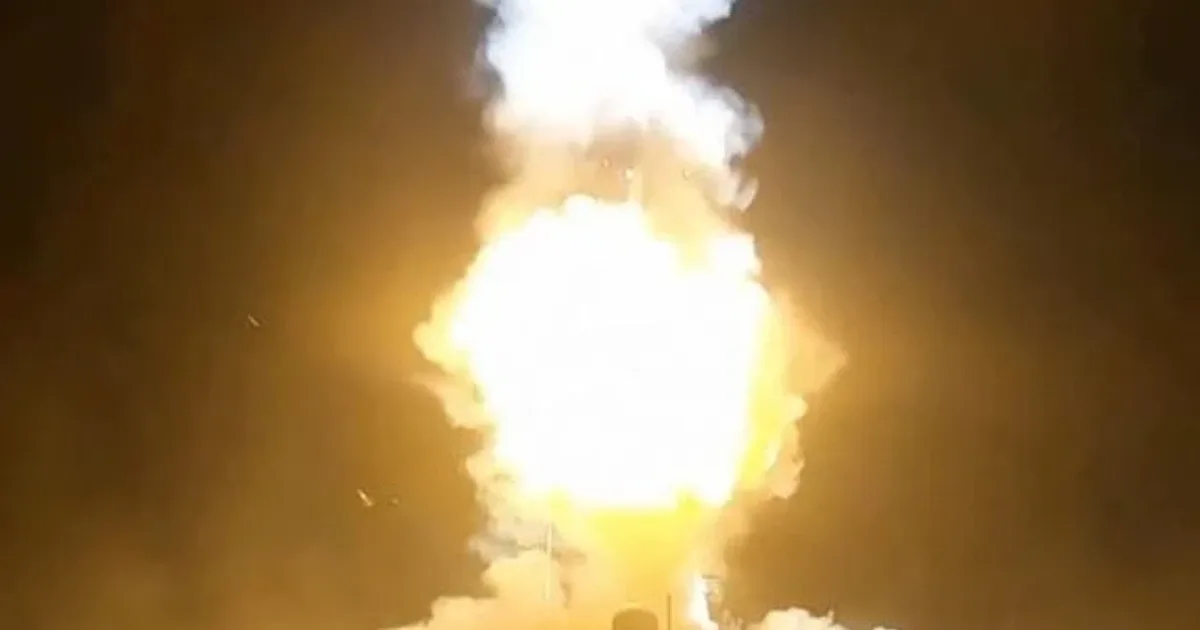
The U.S. Central Command (CENTCOM) has launched a third round of coordinated precision strikes against approximately 140 Iranian military installations. These attacks were conducted using fighter jets, drones, naval vessels, and land-based munitions. The operation followed an Iranian assault on a commercial container ship transiting the Strait of Hormuz that caused significant damage and forced the crew to abandon the vessel.
The strikes aimed to hold Iranian forces accountable and ensure the security of commercial and civilian shipping in one of the world’s most critical maritime chokepoints for global energy trade. CENTCOM emphasized that protecting maritime traffic remains central to Washington’s strategy amid escalating tensions and retaliatory exchanges in the Gulf region.

Iranian state media reported missile launches toward Qeshm Island, located near Iran’s southern coast by Bandar Abbas and adjacent to key shipping lanes in the Strait of Hormuz, though no casualties were confirmed. This area is a strategic hotspot within the ongoing confrontation. The recent escalation has extended beyond Iranian waters, with drone and missile attacks targeting Gulf states including Kuwait, Bahrain, Qatar, Oman, the United Arab Emirates, and Jordan, highlighting the widening regional impact that now involves U.S. allies and interests.
The container ship attack in the Strait of Hormuz heightened concerns over the risk of commercial vessels becoming routine targets in the ongoing conflict. Disruptions in this narrow waterway could severely affect global energy supplies and market stability, intensifying pressure on maritime insurers and shipping companies.
In response to the rising tensions, United Nations Secretary-General António Guterres called for an urgent resumption of negotiations between Iran and the United States to de-escalate the crisis. Despite diplomatic appeals, both sides continue to test deterrence thresholds, with Washington committing to keep the strait open and Tehran signaling a readiness to escalate if pressures persist. This unfolding cycle of attacks and counterattacks underscores the fragile security environment in the Gulf and the broader implications for regional and global stability.