

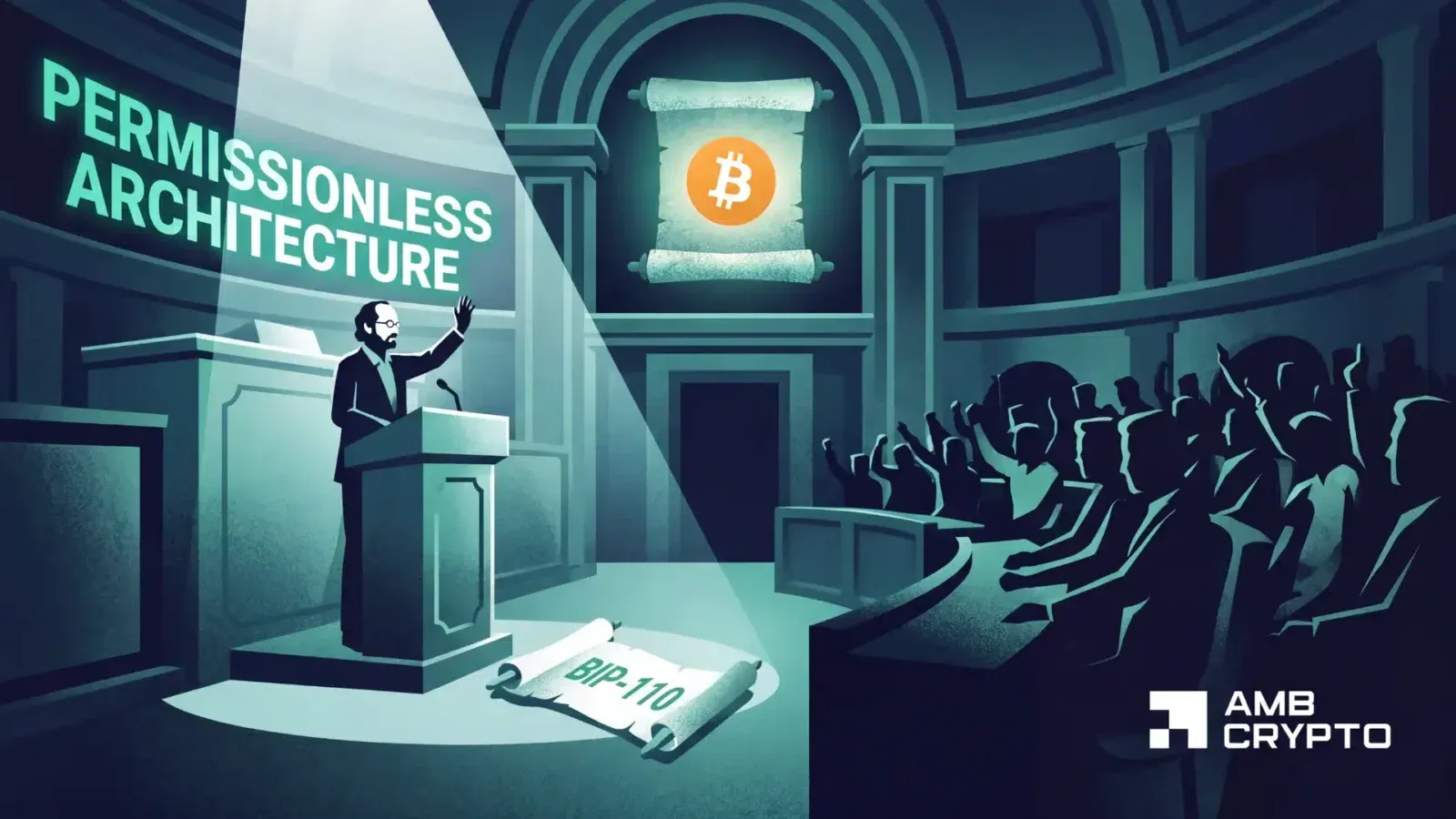
The Bitcoin Improvement Proposal 110 (BIP-110), aimed at limiting arbitrary data like Ordinals inscriptions on the Bitcoin blockchain, faces mounting criticism from influential voices within the crypto community. Blockstream CEO Adam Back highlighted that many supporters of BIP-110 misunderstand Bitcoin’s fundamental architecture, which has fueled heated debates around this contentious soft fork.
BIP-110 was introduced to prevent spam transactions and preserve Bitcoin’s role as a peer-to-peer digital cash system by restricting data such as non-fungible token-like Ordinals. However, Back emphasized that Bitcoin’s existing mechanisms—transaction fees, miner incentives, and decentralized consensus—already address spam without imposing strict new limitations. He warned that BIP-110 contradicts Bitcoin’s permissionless ethos and noted that users opposing this direction have the option to fork the network to set their own rules, though such efforts are unlikely to gain traction without broad community support.

Backing these views, Michael Saylor echoed concerns about BIP-110’s impact amid a sharp decline in Ordinals activity. Recent data shows Ordinals inscriptions plummeting to historic lows, with fewer than 10,000 inscriptions added daily. This weakening user engagement coincides with a significant drop in Bitcoin’s price from its previous peak, further complicating the proposal's prospects.
Adam Back expressed regret over potential disillusionment among newcomers supporting BIP-110, underscoring the need for a deeper understanding of Bitcoin’s principles. As BIP-110 struggles to secure community consensus, its future remains uncertain while key industry figures reinforce commitment to Bitcoin’s original mission.