

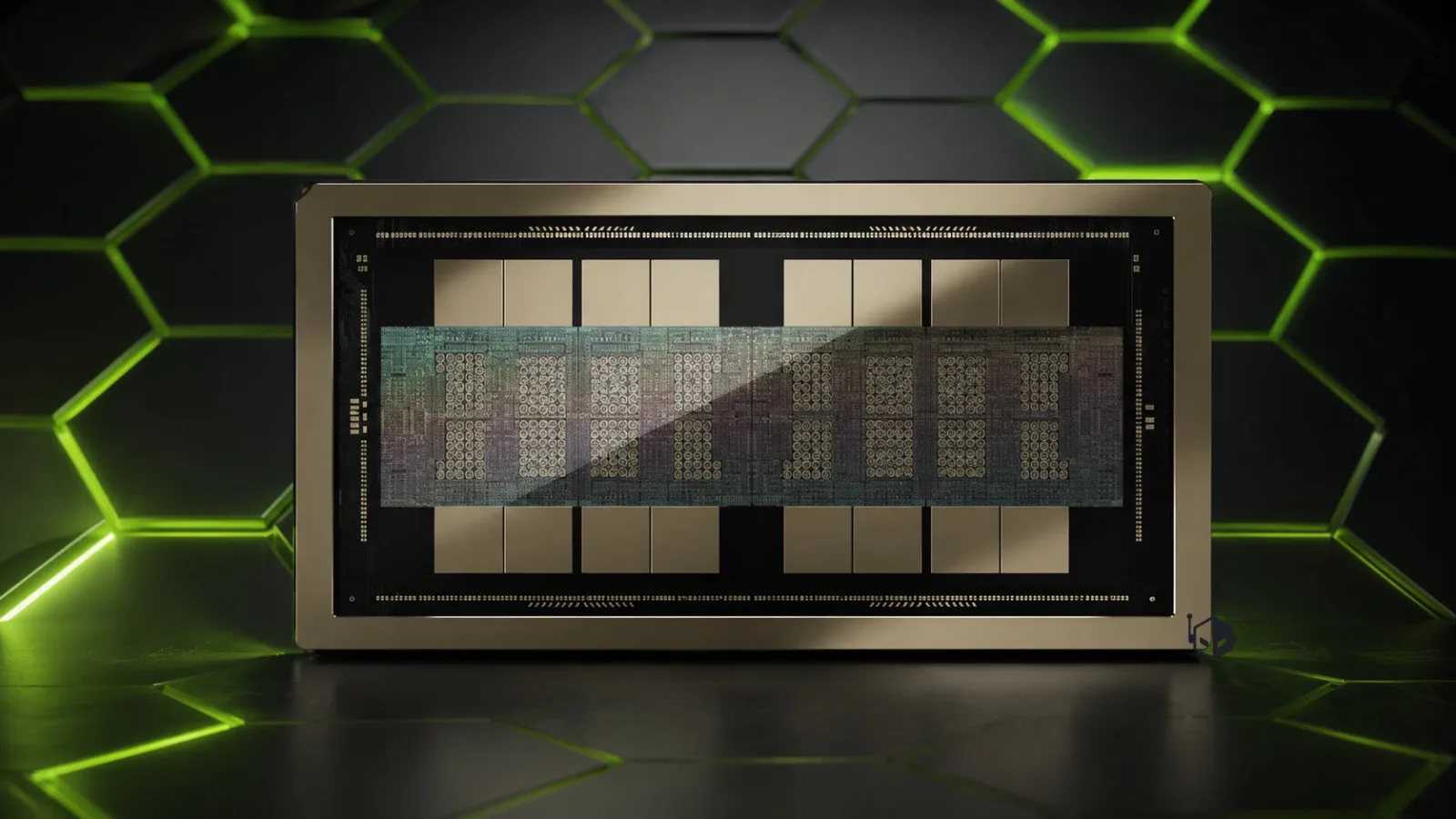
NVIDIA has issued a clear denial regarding reports suggesting delays in its Rubin and Kyber AI chip products. The company confirmed that its development and production timeline remains intact, countering rumors that had circulated about setbacks in these next-generation computing platforms.
The rumors began with a report from SemiAnalysis, which claimed that the Kyber racks incorporating Rubin Ultra chips would face delays extending into 2028. This speculation followed earlier assertions about a design revision from a quad-die (4-Reticle) to a dual-die (2-Reticle) configuration for the Rubin Ultra chips. Despite these assertions, NVIDIA clarified that Rubin chips are already shipping in Oberon racks, while Rubin Ultra chips are slated for deployment in Kyber racks as planned.

NVIDIA highlighted that Rubin Ultra will scale up to the NVL576 rack, capable of supporting up to 576 GPUs, which promises significant advancements in AI workload performance. The company also showcased hardware architectures under codenames Blackwell, Rubin, and Feynman, scheduled across several years and integrating NVLink models and CPUs to boost performance and connectivity.
These rapid responses to delay rumors are part of a recurring pattern. NVIDIA’s AI chip launches, including previous Blackwell and Blackwell Ultra products, have faced similar skepticism tied to thermal management and design concerns. Yet, NVIDIA consistently disproved these claims by entering production ahead of schedule and delivering chips to partners on time.
Rubin, Vera CPUs, and other platforms have demonstrated timely production ramp-ups consistent with official roadmaps. NVIDIA continues to maintain a leading position in AI workloads, as measured by multiple public and open-source benchmarks, outperforming competitors who emphasize total cost of ownership and efficiency gains.
Supporting its hardware leadership, NVIDIA leverages its CUDA and CUDA-X software stacks, which optimize AI performance and enhance the capabilities of existing infrastructure while accommodating future technology advances.