

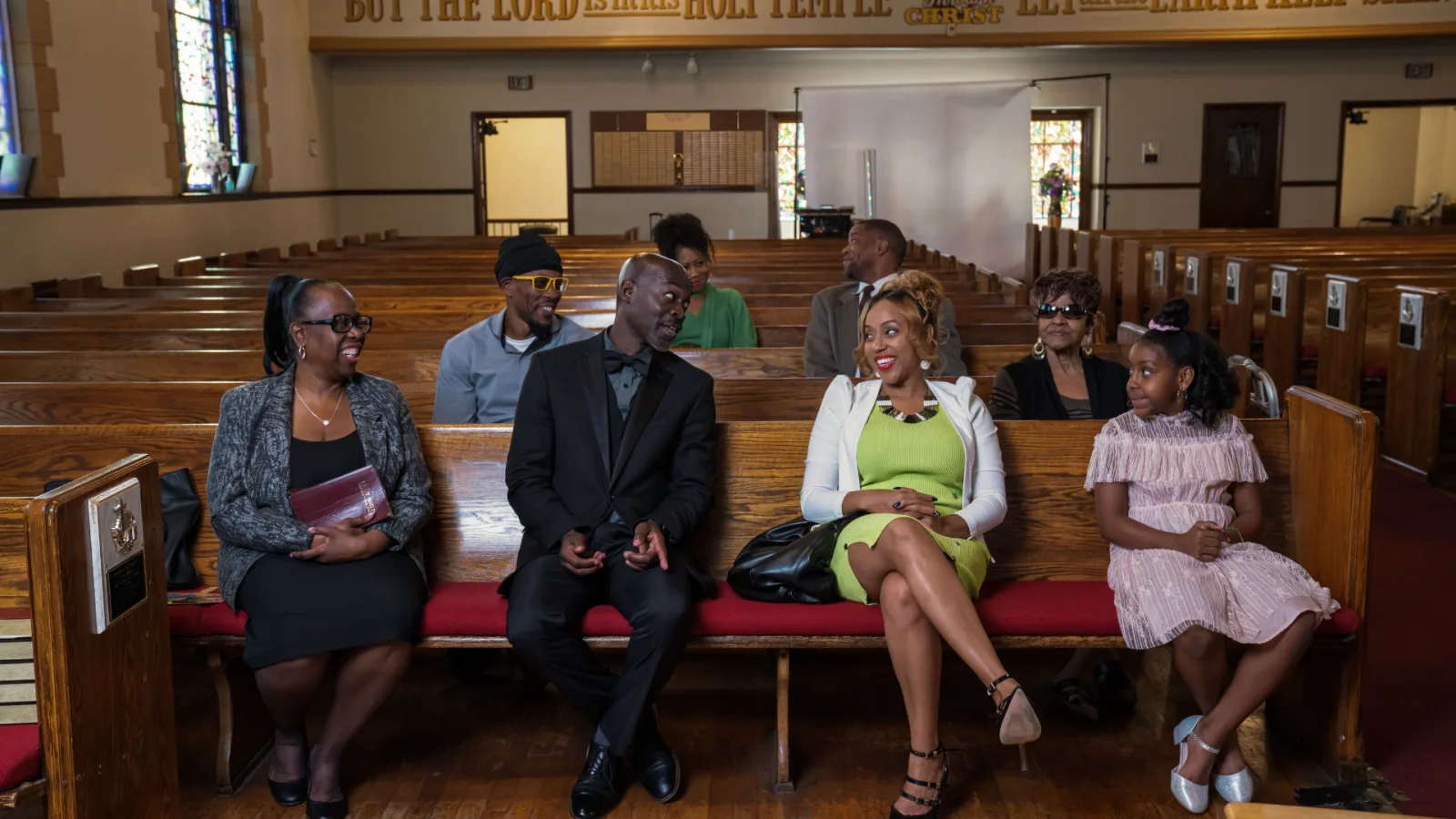
As artificial intelligence rapidly reshapes society, leaders from Black faith communities emphasize the urgent need for their voices in AI discussions. They warn that without intentional participation, marginalized groups risk exclusion from decisions that will profoundly impact their social and ethical landscapes.
The Rev. Dr. Adolphus Lacey, among prominent Black faith figures, argues that the church must secure a seat at the AI policy table. He highlights how previous technological revolutions often bypassed underserved communities, exacerbating inequalities. AI’s pervasive influence—from employment to privacy—makes inclusive dialogue critical.

Faith leaders stress the unique moral framework they can contribute to debates about AI ethics, fairness, and accountability. Their perspectives, grounded in principles of justice and community welfare, offer a counterbalance to dominant narratives driven largely by technologists and corporate interests. This engagement aims to ensure AI systems do not reinforce biases or deepen existing disparities.
The call to action includes advocating for diverse representation in AI development teams and regulatory bodies. It also involves educating congregations about AI’s implications, empowering them to navigate technological shifts thoughtfully. Black churches, with their historical roles in social justice, could become hubs for this awareness-raising and mobilization.
Ultimately, integrating Black faith voices is framed not only as a strategy for equity but also as a moral imperative. The evolving AI landscape presents risks and opportunities that demand broad community input to safeguard human dignity and shared values in a high-tech future.