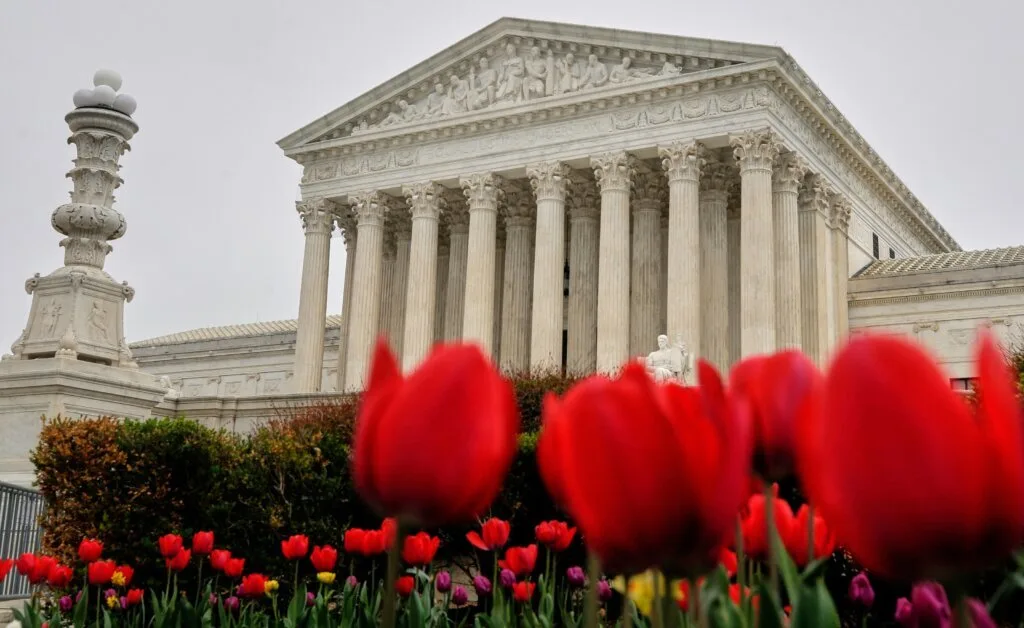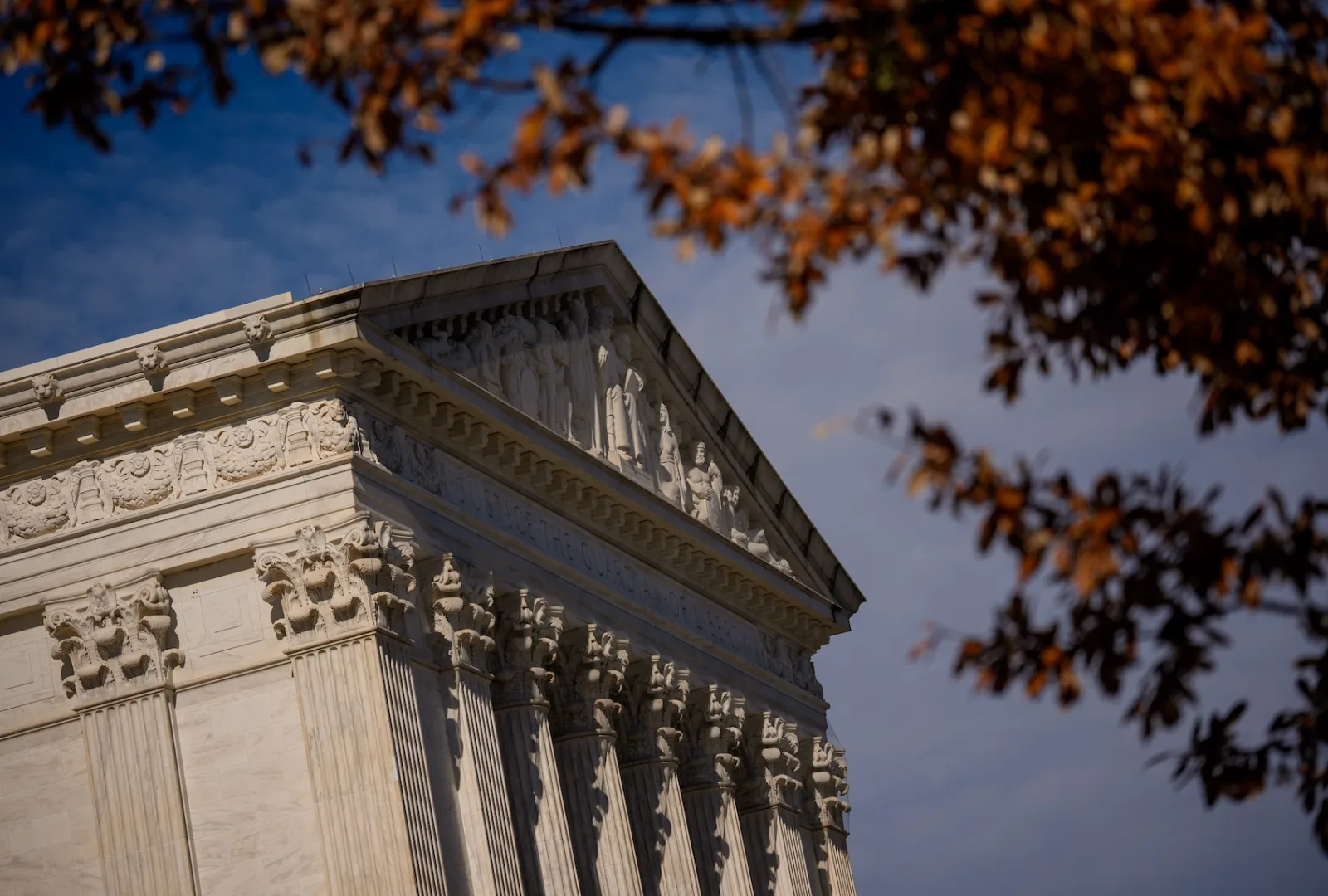
In a 6-3 decision issued Wednesday, the Supreme Court transformed how the Voting Rights Act's Section 2 operates, shifting its legal standard from a "results test" to an "intent test." The ruling blocks an electoral map that had created a second Black-majority U.S. House district in Louisiana and will make it substantially more difficult for minority voters to challenge voting maps they argue dilute their political power.
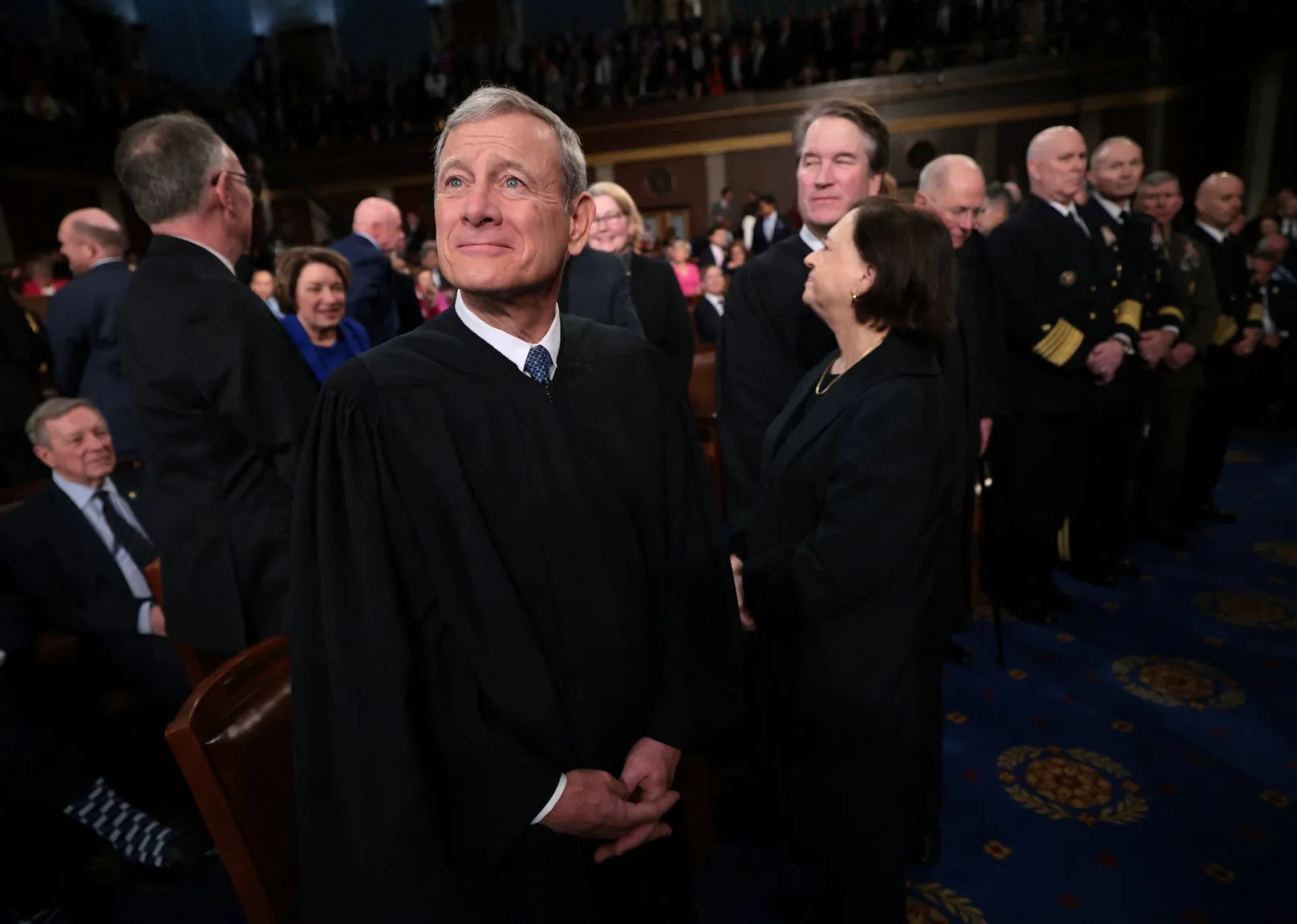
The decision, written by Justice Samuel Alito and joined by Chief Justice John Roberts and four other conservative justices, centered on whether Section 2 of the landmark civil rights law requires proof of intentional discrimination or merely discriminatory impact. Alito wrote that interpreting Section 2 to "outlaw a map solely because it fails to provide a sufficient number of majority-minority districts would create a right that the amendment does not protect," referring to the 15th Amendment ratified in 1870.

The ruling represents the latest major blow to voting protections that legal scholars have tied to Chief Justice Roberts's two-decade tenure. UCLA election law expert Rick Hasen characterized the court's approach as wielding "a wrecking ball" against the Voting Rights Act. "There are still parts of the VRA that are operative, but the two main pillars are now virtually dead letters," Hasen said.
The court previously eviscerated Section 5 of the act in 2013 through a ruling authored by Roberts in a case involving Alabama's Shelby County. That decision eliminated the requirement that states and jurisdictions with a history of racial discrimination obtain federal approval before changing voting laws. Section 5 had been considered one of the act's most powerful enforcement mechanisms.
In her dissent, Justice Elena Kagan, joined by the court's two other liberal justices, called Wednesday's ruling "the latest chapter in the majority's now-completed demolition of the Voting Rights Act." Kagan pointed to the 2021 ruling endorsing Arizona voting measures that a lower court said would disproportionately burden Black, Latino, and Native American voters, characterizing the decisions as part of a coordinated campaign. "For over a decade, this court has had its sights set on the Voting Rights Act," she wrote.
Harvard Law School Professor Nicholas Stephanopoulos, who filed a brief defending the act, said the results test is now "effectively dead." He noted: "It's there in theory but now impossible to satisfy in fact."
Press Robinson, a Louisiana resident who challenged the electoral map, said the decision would have consequences across all levels of government. "We'll be back where we were at the time that slavery was declared illegal in this country," Robinson said on a call with reporters.
The Voting Rights Act emerged following the 1965 "Bloody Sunday" march in Selma, Alabama, where state troopers attacked hundreds of Black voting rights protesters crossing the Edmund Pettus Bridge. Congress enacted the law to prohibit poll taxes, literacy tests, and other racially motivated voting restrictions. Section 2 was amended by Congress in 1982 to prohibit electoral maps that would undermine minority voting strength, even without proof of racist intent.