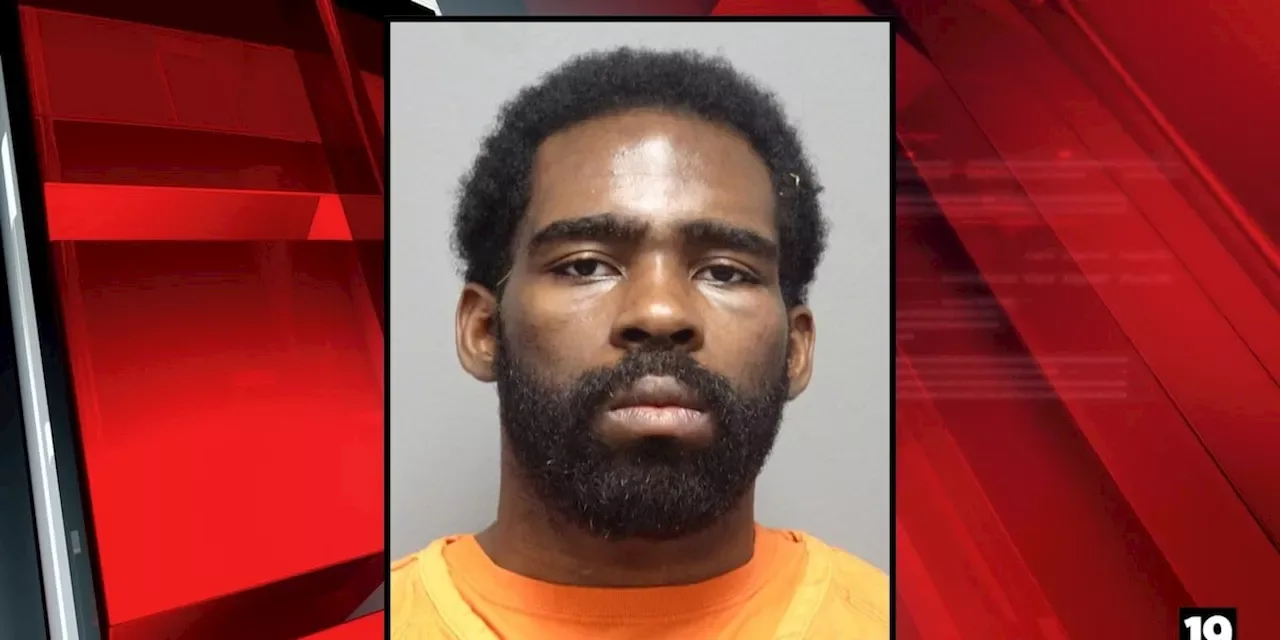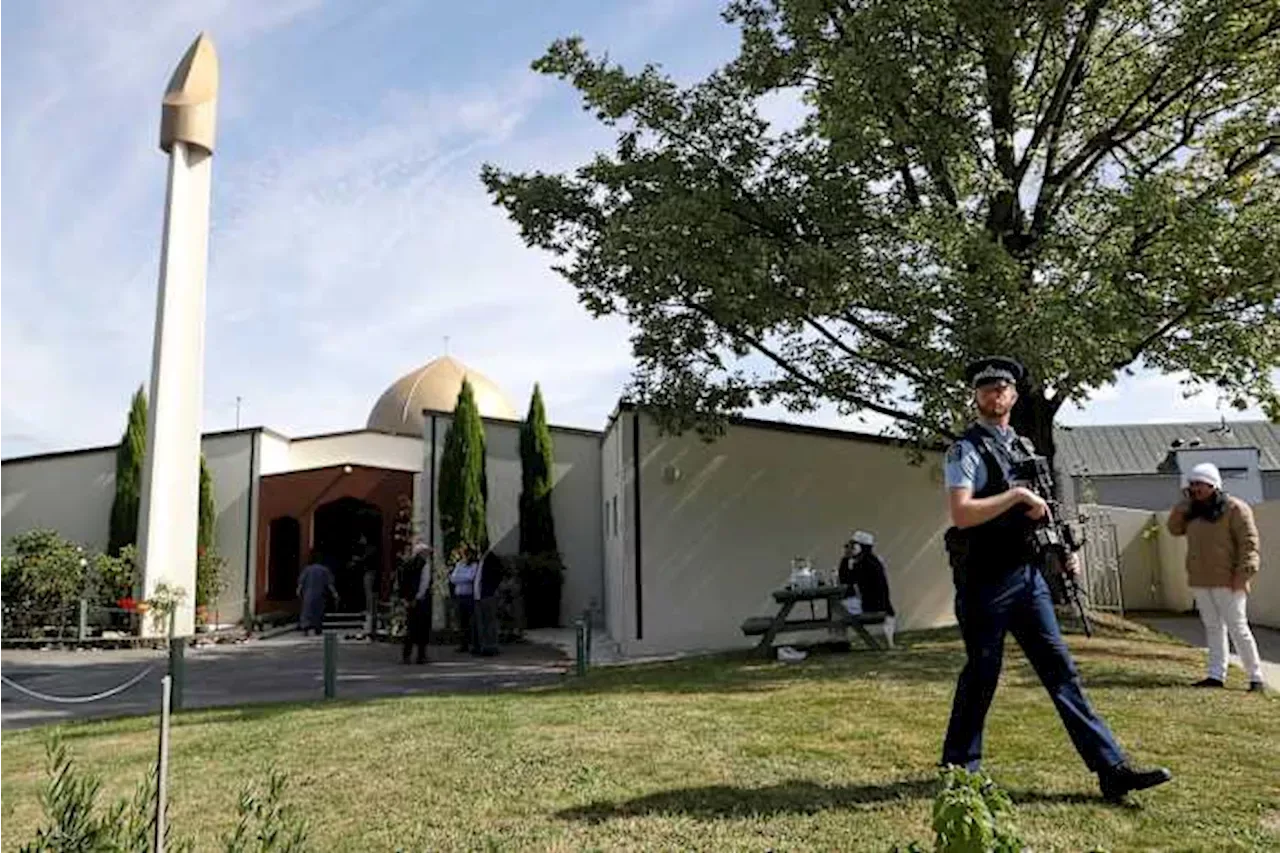
New Zealand's Court of Appeal rejected Brenton Tarrant's attempt to abandon his guilty pleas on Thursday, concluding that his claims of mental illness were unfounded and that he had made an informed decision to admit guilt. Tarrant, 35, carried out the attacks at two mosques in Christchurch in March 2019, murdering 51 worshippers and injuring dozens more during Friday prayers using semiautomatic weapons.
At a five-day hearing in February, Tarrant argued that poor mental health had induced "irrationality" and prompted him to plead guilty, claims he now sought to reverse. The court's judges found his mental health assertions inconsistent and unsupported by prison staff, mental health professionals, or his former legal representatives. "He was not suffering from a mental impairment or any other form of mental incapacity which rendered him unable to voluntarily change his pleas to guilty," the judges wrote in their ruling.

The court characterized Tarrant's defense as a "weak attempt" to mislead the bench. The judges noted that all other evidence demonstrated he had made a "totally rational decision" to plead guilty. They further concluded that Tarrant sought to abandon the appeal itself shortly after the February hearing, likely because the proceedings were not proceeding in his favor. Under New Zealand law, judges are not required to permit an appellant to withdraw an appeal once it is underway. The court rejected this second abandonment bid as well, stating the case was "of significant public interest and should be finally determined."
Tarrant's guilty pleas in March 2020 spared bereaved families and survivors the ordeal of a prolonged trial and prevented him from using court proceedings as a platform for his racist ideology. The appeal court noted that evidence against him was "overwhelming," including video footage of the attack that Tarrant himself filmed and livestreamed online, showing his face, and a manifesto outlining his racist views that he had published under his real name before the attacks.
The Australian-born attacker moved to New Zealand in 2017 with plans to commit a mass shooting. He accumulated weapons and conducted reconnaissance at the target sites before executing the attacks. Tarrant remains in Auckland Prison, where he was sentenced in August 2020 to life without parole. He has since dismissed the lawyers who represented him during the appeal hearing.