
Wall Street Futures Edge Higher as Oil Prices Rise Amid Iran’s Energy Export Threats
Wall Street futures showed modest gains as oil prices climbed following Iran’s threat to block Middle East energy exports amid renewed U.S. port blockades.
The Federal Reserve signals a firm stance on inflation as global energy disruptions from Middle East conflicts cloud economic outlooks ahead of key policy decisions.
U.S. consumer inflation slowed in June, driven by falling energy costs, but escalating conflict near the Strait of Hormuz threatens to push oil and gas prices higher again soon.
Despite a slight rise in nominal wages, inflation has nearly wiped out gains, leaving Americans’ real hourly pay virtually unchanged over the past year.
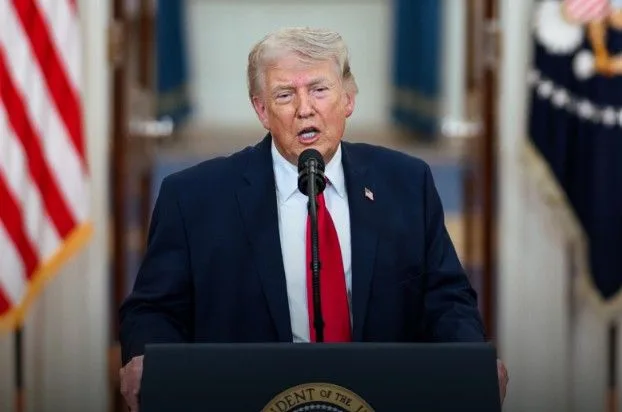
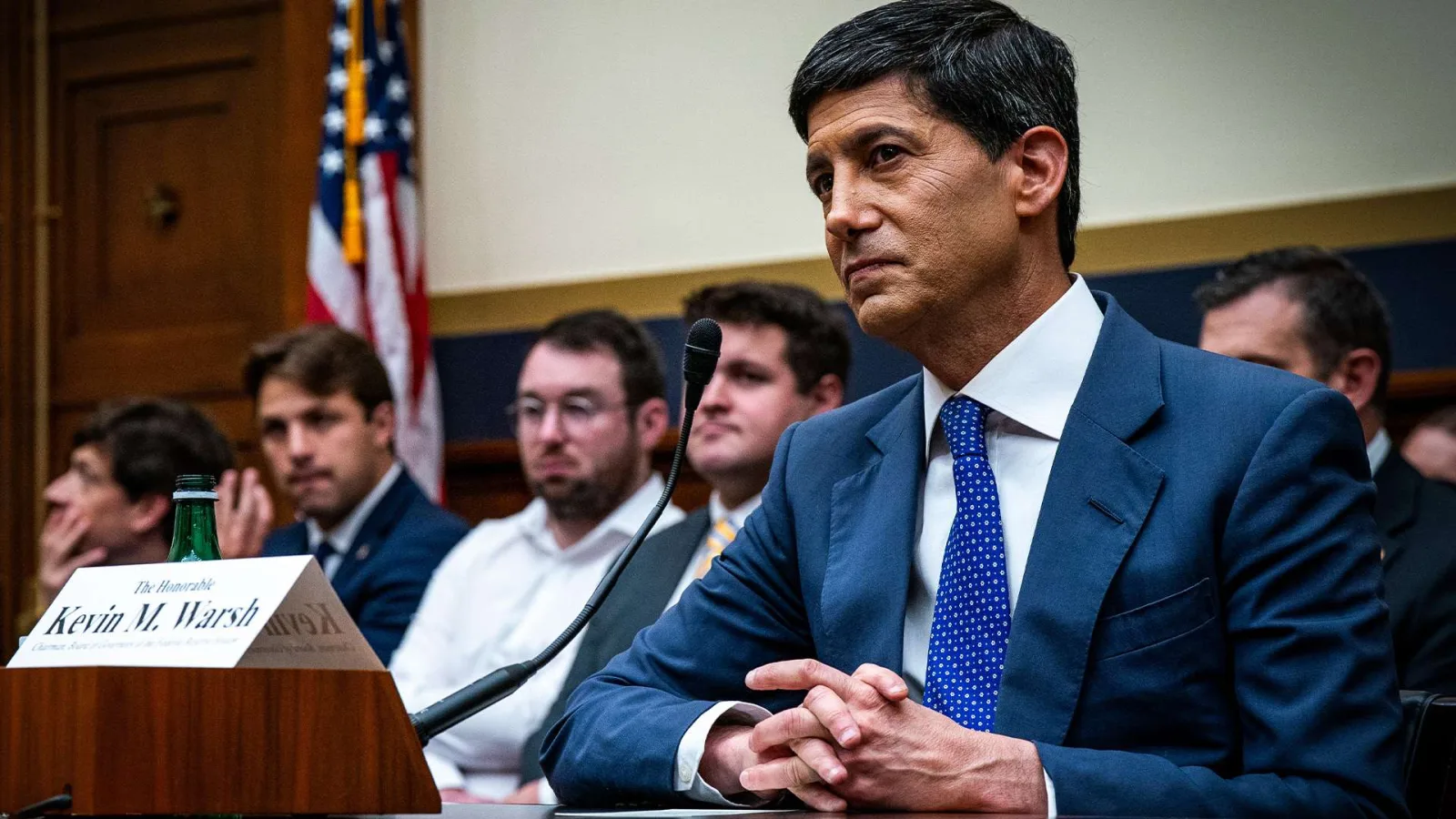
Federal Reserve Chairman Kevin Warsh reaffirmed the central bank’s independence while facing lawmakers’ questions on resisting political pressure from the Trump administration over interest-rate policies.
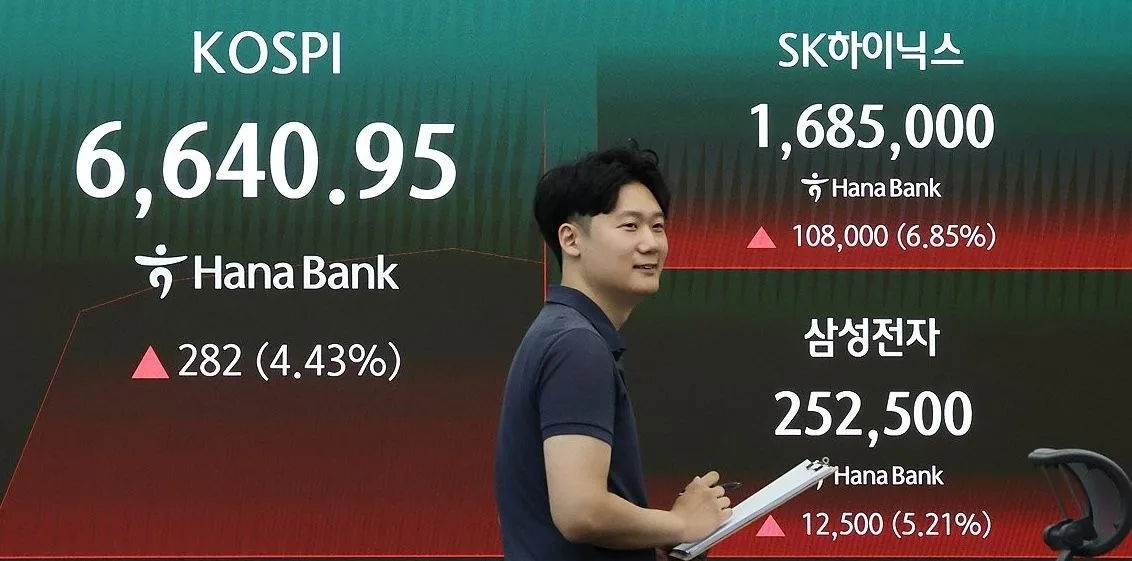
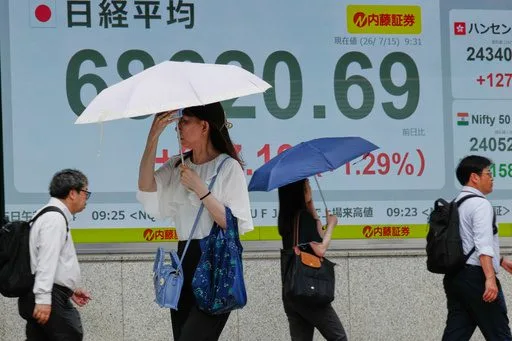
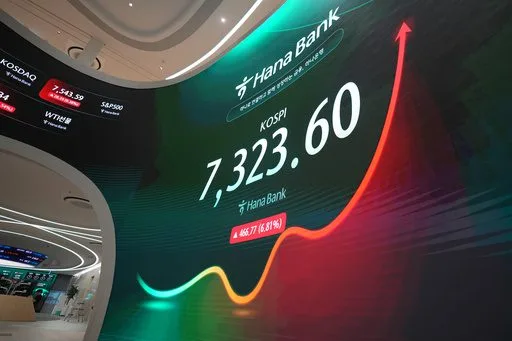
Asian shares climbed as softer US inflation data reduced expectations for a Federal Reserve rate hike, boosting investor confidence and driving significant gains, particularly in South Korea’s technology sector.
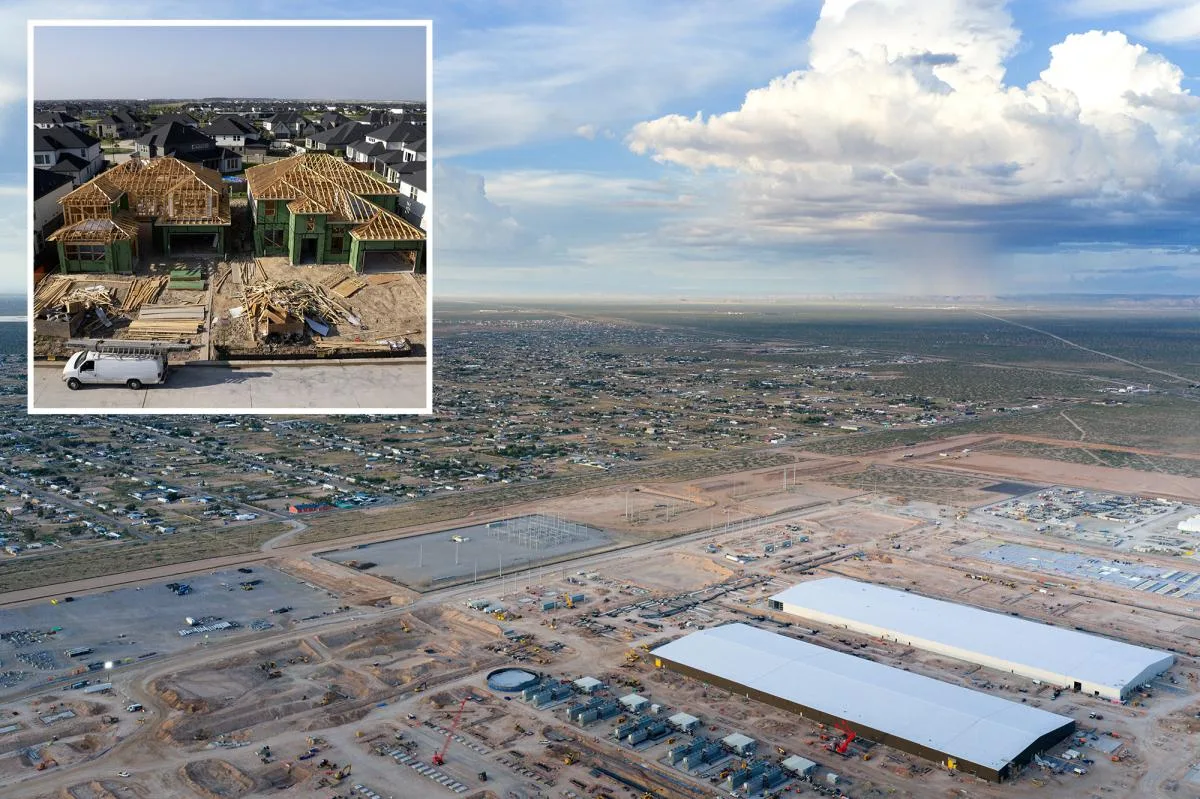
Homebuyers in Phoenix face longer wait times with a median of 66 days on market, reflecting slower sales amid modest price declines and less buyer competition.
China’s economy expanded by 4.3% in the second quarter, marking its slowest growth pace since late 2022 as weak consumer demand and external pressures dampen momentum.
Inflation eased to 3.5% in June, driven by a significant fall in energy costs, lifting U.S. stock markets and pushing Treasury yields lower despite persistent price pressures in other sectors.
Despite a notable drop in overall inflation driven by falling energy prices, rising food and shelter costs continue to burden households, limiting consumer spending growth.
The latest inflation data reveals a rare broad-based flattening in consumer prices as core inflation held steady, marking a significant shift beyond energy-driven drops.
Chinese regulators have instructed banks to stop re-discounting bills at ultra-low rates to prevent market distortions caused by weak loan demand and plunging credit costs.