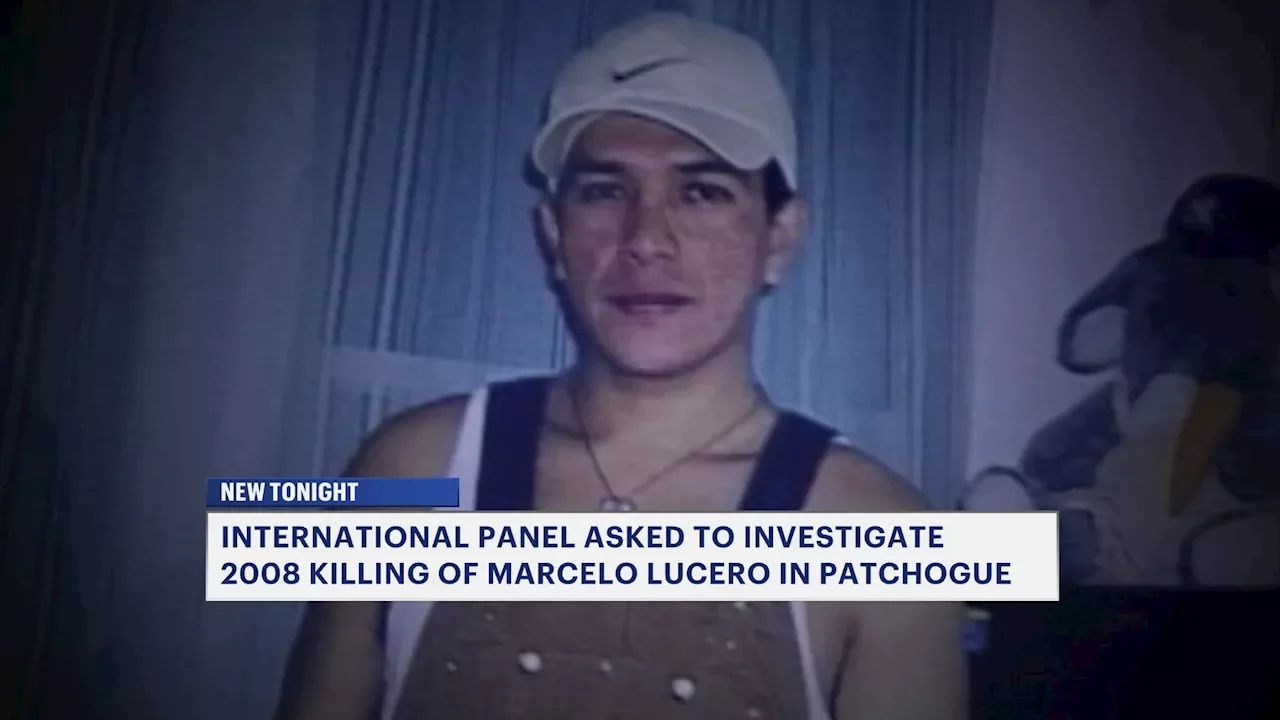
Oswaldo Marcelo Lucero, an Ecuadorian immigrant, was assaulted, stabbed, and killed by seven teenagers in Patchogue in what authorities characterized as a racially motivated attack. Two nonprofit groups have now called on the Inter-American Commission on Human Rights to open an investigation into his death, arguing the murder occurred within a climate of hostile anti-immigrant policies and discriminatory law enforcement practices in Suffolk County.
According to the organizations, the teenagers had spent hours driving through Suffolk County searching for Latino men to attack. Lucero was not their only victim—the group assaulted two other Latino men before turning fatal violence against him.

The nonprofit organizations assert that the killing took place amid what they describe as "vitriolic, anti-immigrant policies" promoted by the Suffolk County executive at the time, combined with immigration enforcement activities by the Suffolk County Police Department. Following Lucero's death and allegations of anti-Latino discrimination by officers, the department remained under federal monitoring by the Department of Justice for over a decade as part of a settlement agreement.
Legal representatives maintain that conditions have not substantially improved since then. Delia Addo-Yobo, U.S. senior staff attorney at the Robert F. Kennedy Human Rights Center, characterized the current environment as a "perfect storm for terrorizing immigrants." She stated that federal immigration policies have allowed agents to conduct raids and make arrests based primarily on appearance or language, actions she linked directly to violence against immigrant communities. "When you dehumanize an entire group of people, you open the door to violence," Addo-Yobo said.
Should the Inter-American Commission on Human Rights accept the request for investigation, a hearing is expected to take place in August. If the hearing proceeds, Lucero's brother, Joselo Lucero, is anticipated to testify regarding the federal government's failure to protect Latino communities and advocate for racial justice education as a means of preventing hate-motivated violence.