

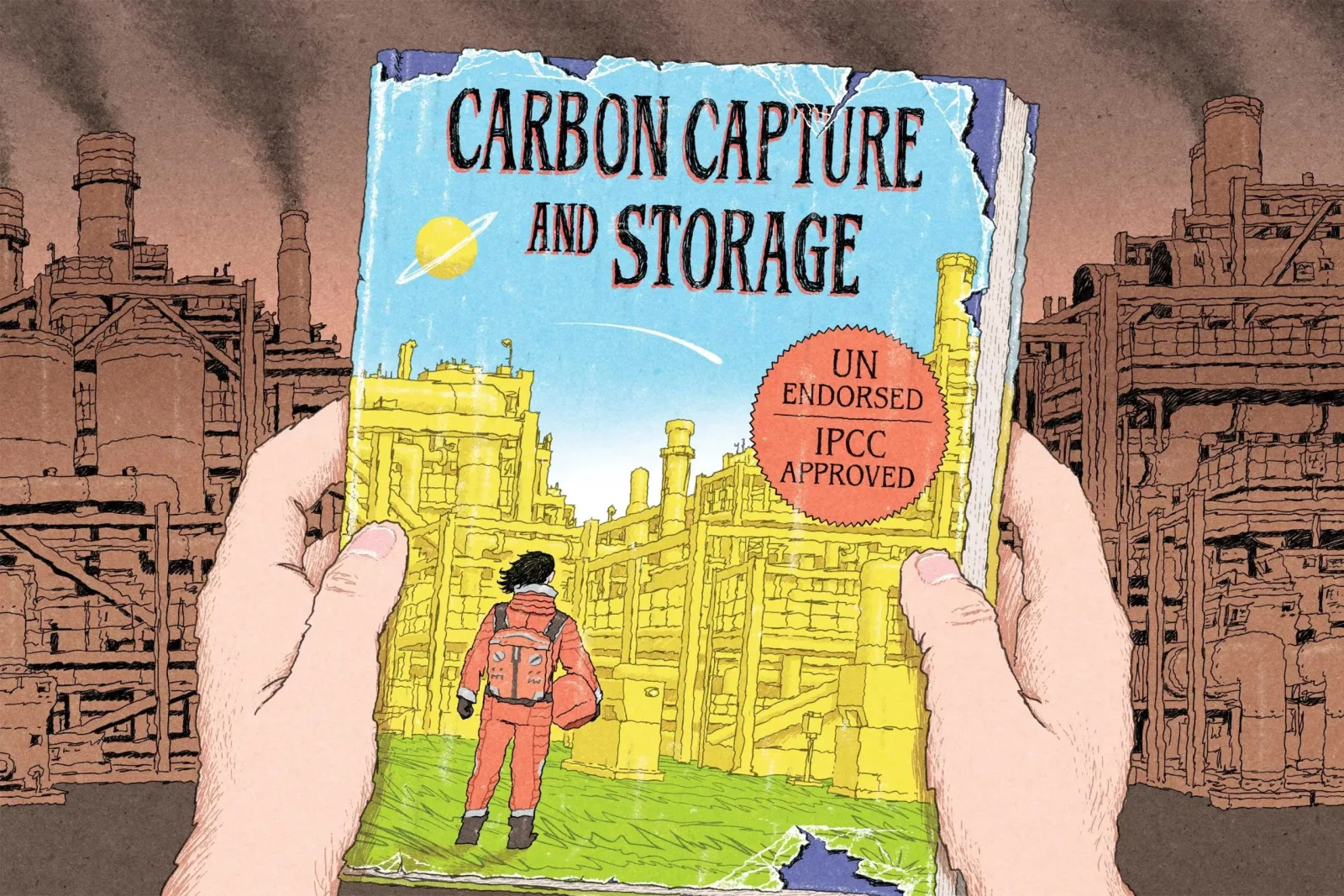
A covert vote by a panel of United Nations scientists regarding the role of carbon capture and storage (CCS) technology has substantially impeded the progress of global climate policy. The decision, reached without broad transparency, has affected negotiations aimed at reducing carbon emissions and designing comprehensive climate strategies.
This panel, composed of leading climate experts convened by the UN, debated the viability and risks tied to widespread CCS adoption. The vote, held in secrecy, opposed categorizing CCS as a favorable mitigation tool in official climate frameworks, casting doubt on its future role. This outcome surprised many negotiators and observers who had expected a consensus that would bolster carbon removal technologies as a key element of emissions management.

The decision influenced subsequent global climate summits by restricting the inclusion of carbon capture initiatives in policy agendas. Critics argue this has stalled investment in CCS projects that could help bridge the gap between fossil fuel use and renewable energy adoption. Meanwhile, proponents maintain that carbon capture offers a necessary stopgap to meet emission targets while renewable infrastructure scales up.
Carbon capture and storage involves the process of capturing carbon dioxide emissions from power plants and industrial sources and securely storing them underground. It has been promoted as a critical technology for reducing atmospheric greenhouse gases, particularly in sectors where emissions are hard to eliminate.
However, the scientific community remains divided over the technique’s long-term safety, cost-effectiveness, and scalability. Uncertainties about potential leaks and environmental impacts, combined with competing climate priorities, have fueled skepticism about its integration into major climate policies.
In light of the vote, policymakers face increased challenges balancing technological innovation with environmental safeguards. The secretive nature of the decision-making process has raised questions about transparency and accountability in global climate governance.
As countries work to meet ambitious emission reduction goals, the debate over carbon capture’s role continues to shape the trajectory of international climate efforts. The UN’s scientific panel’s hidden vote underscores the complexities and political sensitivities surrounding the development of climate solutions.