

The United Kingdom’s Department for Transport confirmed that Great Britain will align with the European Union’s Euro 7 emissions standards. This move introduces stricter limits on traditional vehicle pollutants and establishes regulations aimed at prolonging the lifespan of electric vehicle (EV) batteries.
Euro 7 standards represent the latest phase in emissions regulation targeting reductions in nitrogen oxides, particulate matter, and other harmful pollutants. By adopting these measures, the UK aims to improve air quality while supporting the transition to greener transportation technologies.

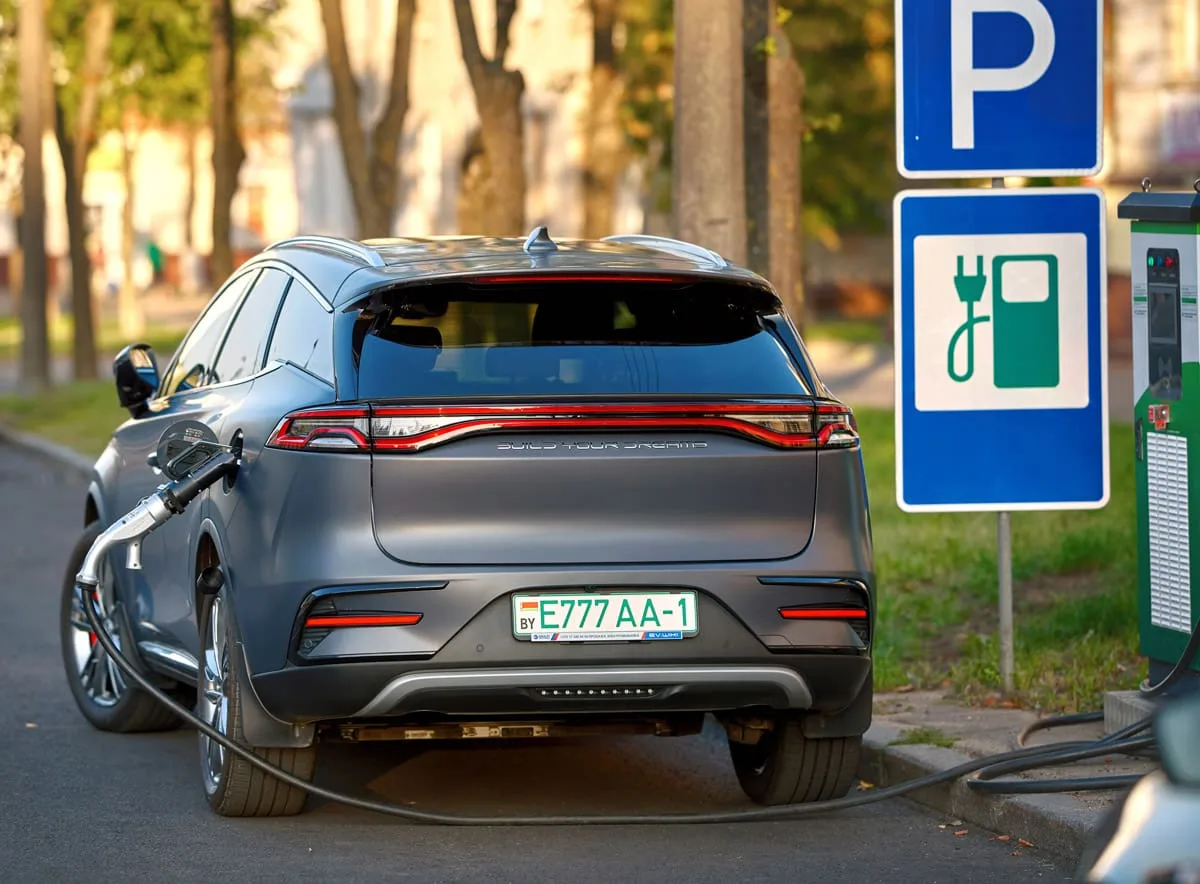
One of the most notable aspects of the Euro 7 adoption involves new rules for electric vehicle batteries. These requirements focus on enhancing battery durability and sustainability to prevent premature replacement and reduce environmental impact from battery production and disposal.
The regulatory framework sets benchmarks for battery performance and lifecycle management, encouraging manufacturers to design EV batteries that maintain capacity and efficiency over extended periods. This aligns with broader efforts to ensure sustainable growth in the EV market and reduce resource consumption.
Alongside these battery-focused measures, Euro 7 will impose tighter pollutant emission limits on combustion-engine vehicles. This includes significant reductions in nitrogen oxides and hydrocarbons, aiming to decrease urban pollution and meet climate targets.
The adoption of Euro 7 standards also entails updated testing and compliance procedures. Vehicles will undergo more rigorous real-world driving emissions testing to ensure adherence to limits outside laboratory settings, improving the accuracy of pollution assessments.
This shift marks the UK’s continued commitment to environmental regulations that keep pace with changing technologies and international standards. Adopting the EU’s rigorous Euro 7 rules signals a comprehensive approach to cutting emissions while fostering innovation in electric mobility.