

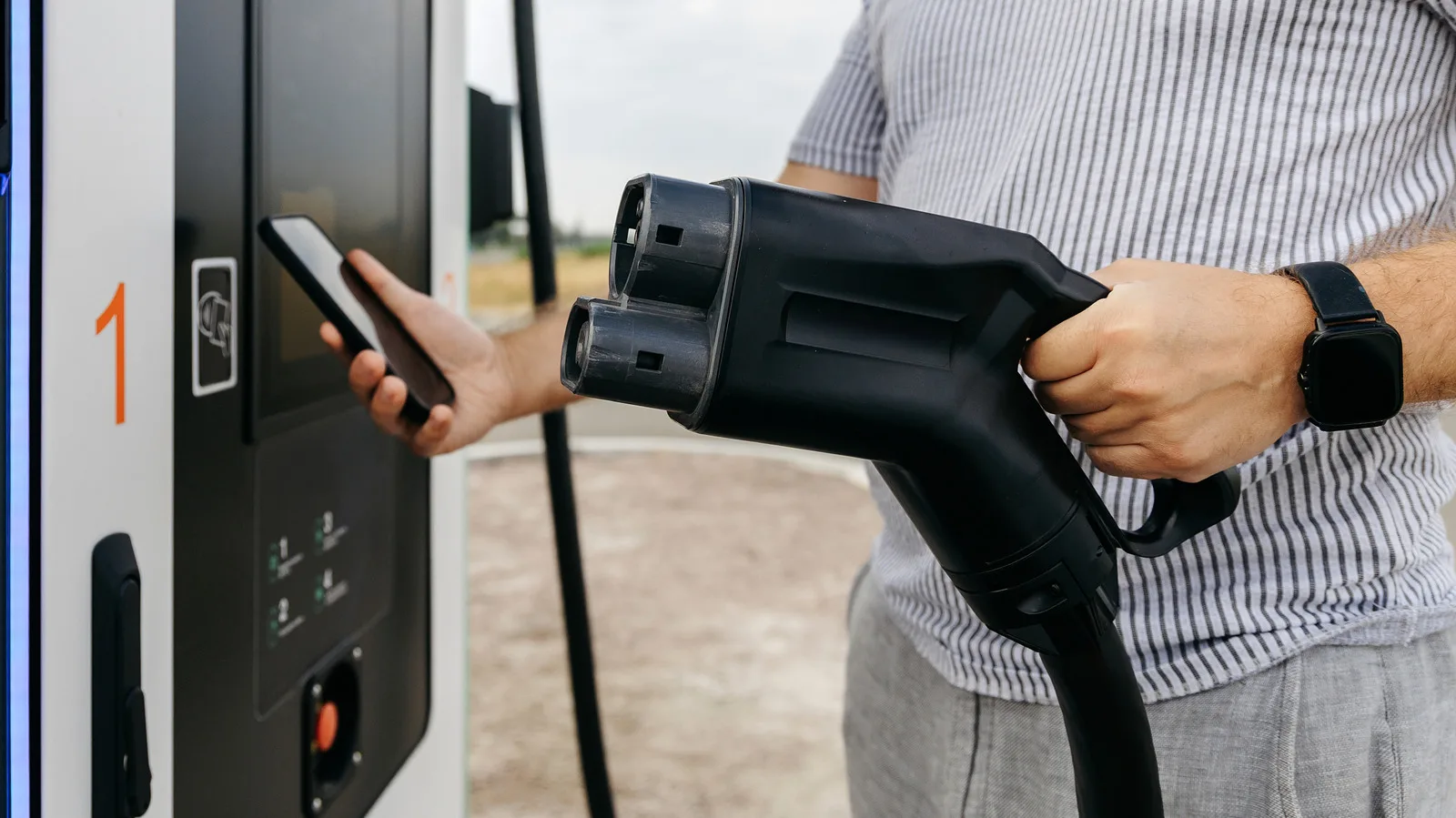
Fast charging offers undeniable convenience for electric vehicle (EV) owners, rapidly replenishing battery levels during travels and reducing downtime. However, repeated reliance on rapid chargers can significantly affect battery health, leading to faster degradation over time compared to using slower charging options.
When an EV battery undergoes fast charging, it heats up more than during typical charging sessions. This elevated temperature, combined with high electrical currents, stresses battery cells and accelerates chemical breakdown within the battery’s architecture. The consequence is a gradual loss of capacity, reducing the overall driving range and efficiency of the vehicle.

Unlike standard Level 2 chargers, which operate at lower voltages and produce less heat, fast chargers deliver energy in a much shorter time, pushing the battery’s limits. While occasional use of rapid charging is unlikely to cause immediate damage, making it a regular habit can compound these stresses. Over many charging cycles, this practice can shorten the battery’s usable lifespan, potentially leading to costly replacements or diminished resale value.
Battery manufacturers and EV makers generally recommend moderating fast charging to preserve long-term battery health. Drivers are advised to use fast chargers primarily for urgent needs and rely on slower charging methods for daily use or overnight charging. Maintaining moderate charging speeds helps control battery temperature and chemical stability, ultimately extending the lifespan of the battery pack.
The trade-off between convenience and battery longevity highlights a crucial consideration for EV owners. While fast charging networks improve vehicle usability and reduce range anxiety, understanding their impact on battery durability is essential for managing the total cost of ownership and ensuring consistent vehicle performance.