

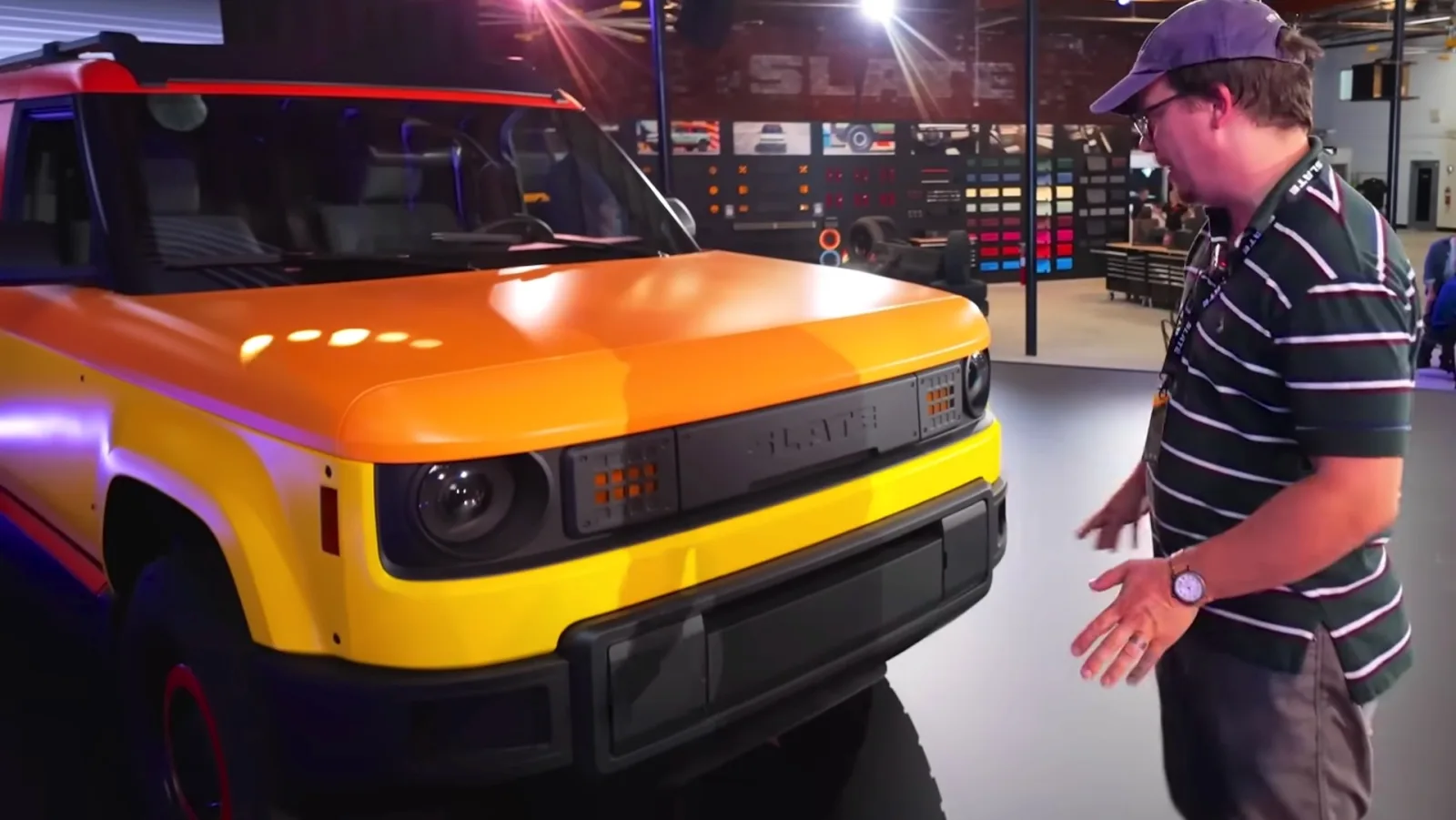
The Slate electric pickup has drawn attention as a minimalist, budget-friendly EV option priced close to $25,000, addressing growing concerns about the cost and complexity of new vehicles. Unlike many electric trucks loaded with advanced and costly features, the Slate focuses on delivering a straightforward driving experience paired with easy maintenance, appealing to drivers seeking an affordable and practical electric alternative.
Powered by a roughly 65-kilowatt-hour battery, the rear-wheel-drive truck offers about 205 miles of range. Its pared-down interior excludes luxury add-ons and even basic elements like a radio, maintaining a low entry price. Compared to competitors such as the Ford Maverick, which starts just above $26,000 in promotional pricing, Slate positions itself as potentially the most economical new truck on the U.S. market. However, prospective buyers should anticipate that optional upgrades could raise the final cost above $30,000.

One of Slate’s standout features is its emphasis on owner-friendly repairs. The truck incorporates modular dyed plastic body panels designed for easy swapping after minor collisions or wear. Additionally, free access to service manuals aims to empower owners to perform their own maintenance, which can reduce insurance premiums and repair expenses. This approach also supports sustainability by minimizing waste from damaged parts and extending the vehicle's usable lifespan.
Despite the affordability and practicality, experts and commenters have raised concerns about the truck's rear-wheel-drive layout and its use of resistive heating instead of heat pumps, issues that may affect driving performance and battery efficiency in cold climates. These factors invite caution for buyers living in snowy regions who prioritize traction and cabin warmth during winter months.
The Slate EV truck targets commuters, small-business owners, fleet operators, and families in need of a straightforward, second vehicle mainly for urban driving, short-range deliveries, and everyday errands. By lowering initial purchase costs and simplifying maintenance, it seeks to increase accessibility to electric vehicles without the complexity often associated with modern EVs.