

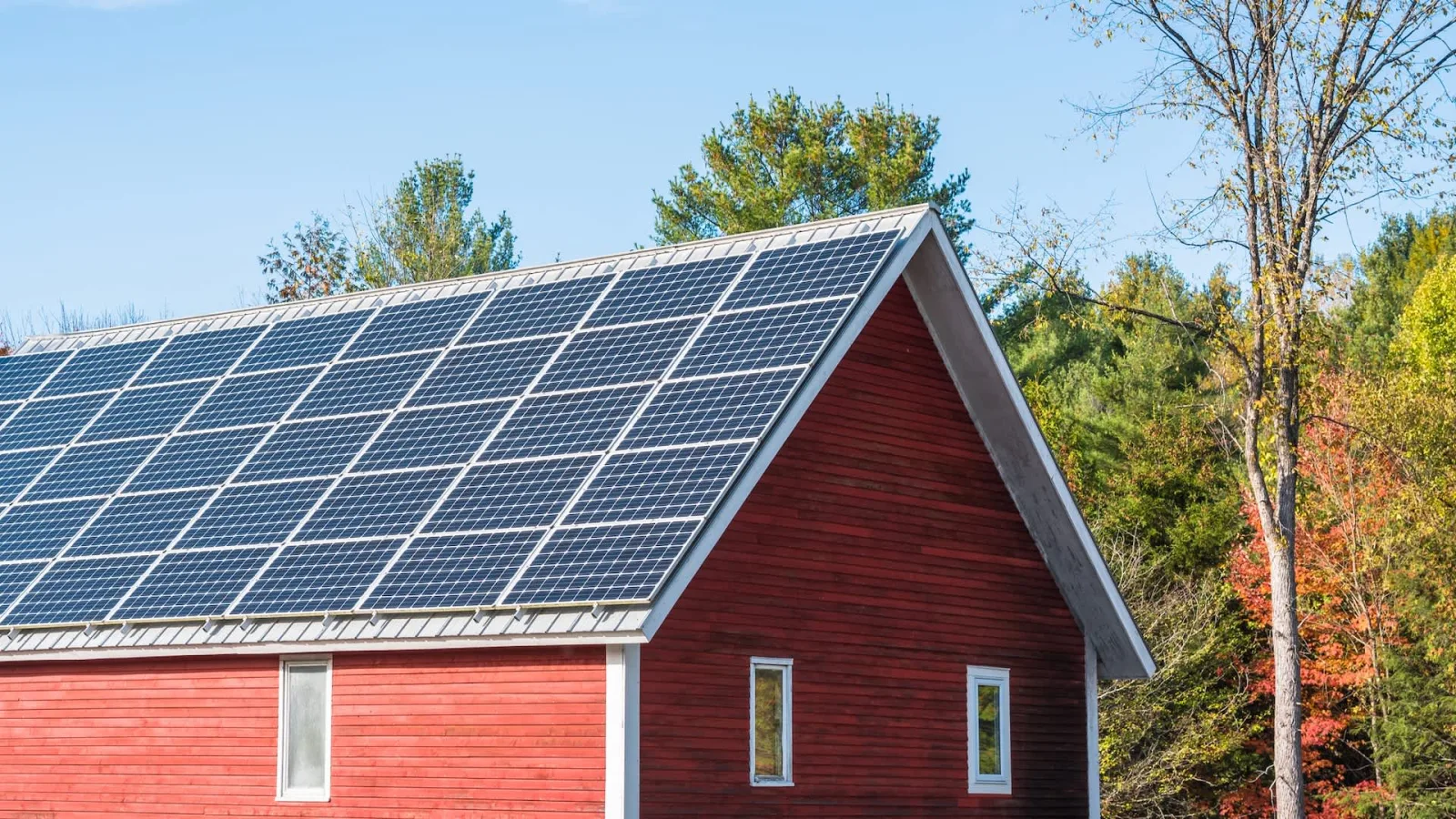
Rooftop solar installations across New England played a crucial role in reducing electricity expenses during last summer’s heat wave. As temperatures soared, these residential and commercial solar panels supplied significant power locally, easing the stress on the regional grid and lowering wholesale energy costs by at least $130 million.
The impact was most notable during the hottest daytime hours when air-conditioning demand peaked. At times, rooftop solar contributed approximately 25% of the total electricity consumption in the region, effectively trimming peak demand on the grid. This local generation reduced reliance on expensive power plants needed to meet surges in energy use, saving money for all consumers, not only those with solar systems.

The regional grid operator, ISO-New England, highlighted that solar capacity has grown enough to shift the traditional summer demand peak from late afternoon to early evening. Their analysis also showed rooftop solar could reduce peak load by more than 1,700 megawatts under typical weather conditions, significantly enhancing grid reliability during critical times.
For homeowners considering solar installations, tools such as those offered by EnergySage provide a practical pathway to evaluate options. These platforms allow users to obtain competitive quotes from local installers without upfront commitments, helping them understand potential savings. With average discounts reaching thousands on solar purchases and installation, going solar emerges as a viable strategy for lowering energy bills and contributing to a more resilient power system.