

Hyundai’s announcement of a new steel mill in Louisiana aims to showcase a cleaner approach to steelmaking, yet it has met with wariness from local communities long burdened by pollution. The $6 billion facility, planned for Ascension Parish, would supply steel for Hyundai’s auto plants in the Southeast, offering a potential boost for U.S. manufacturing while touting lower emissions than traditional steel plants.
The project is notable for its proposed use of direct reduction and electric arc furnace technology, which can drastically reduce pollution compared to conventional coal-fueled blast furnaces. However, permit submissions reveal the plant will initially run on natural gas rather than green hydrogen, a cleaner fuel option Hyundai says it may adopt if it becomes economically viable. The company also plans to implement carbon capture and storage from the start to curb emissions.

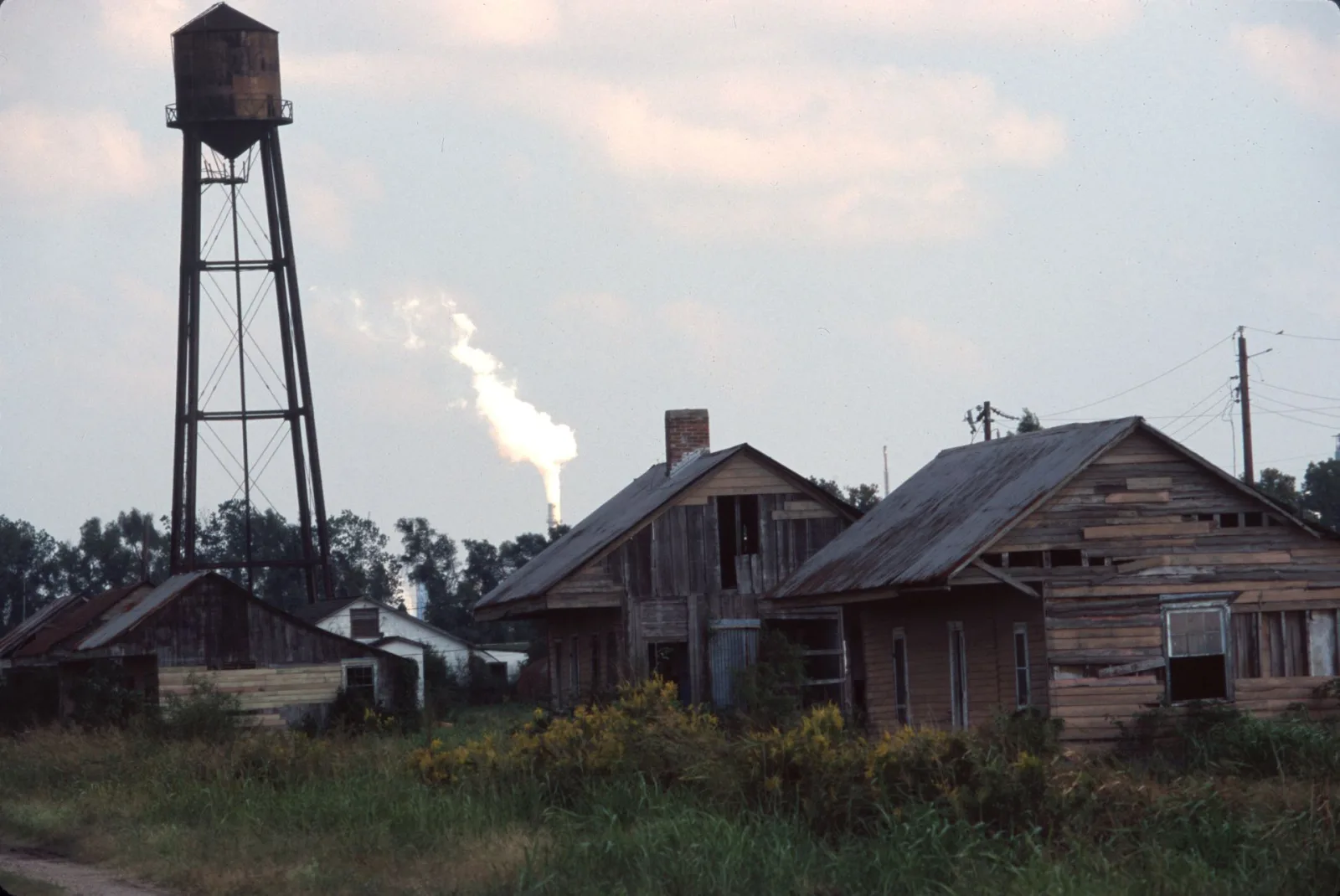
Despite these stated commitments, many residents question whether the plant will deliver on its promises. The region, commonly referred to as “Cancer Alley” due to its concentration of polluting industries and associated health risks, faces ongoing struggles with industrial emissions. Community members fear the new facility could exacerbate these challenges and entrench dependence on fossil fuels. There is additional concern that local benefits, especially job opportunities, might not materialize for area residents, and that new development could lead to displacement.
Transparency issues have also surfaced, as some local officials signed nondisclosure agreements during negotiations tied to state incentives, limiting public insight into the project’s real environmental and social impacts. Advocates urge Hyundai to make clear, enforceable commitments and prioritize community welfare over corporate marketing.
The steel industry is a significant source of global carbon emissions, accounting for close to 9 percent worldwide. Transitioning to lower-emission steel production methods is critical for broader climate goals, making Hyundai’s project a potential test case. Whether it represents meaningful progress or risks greenwashing remains a point of contention among residents, activists, and environmental observers.