

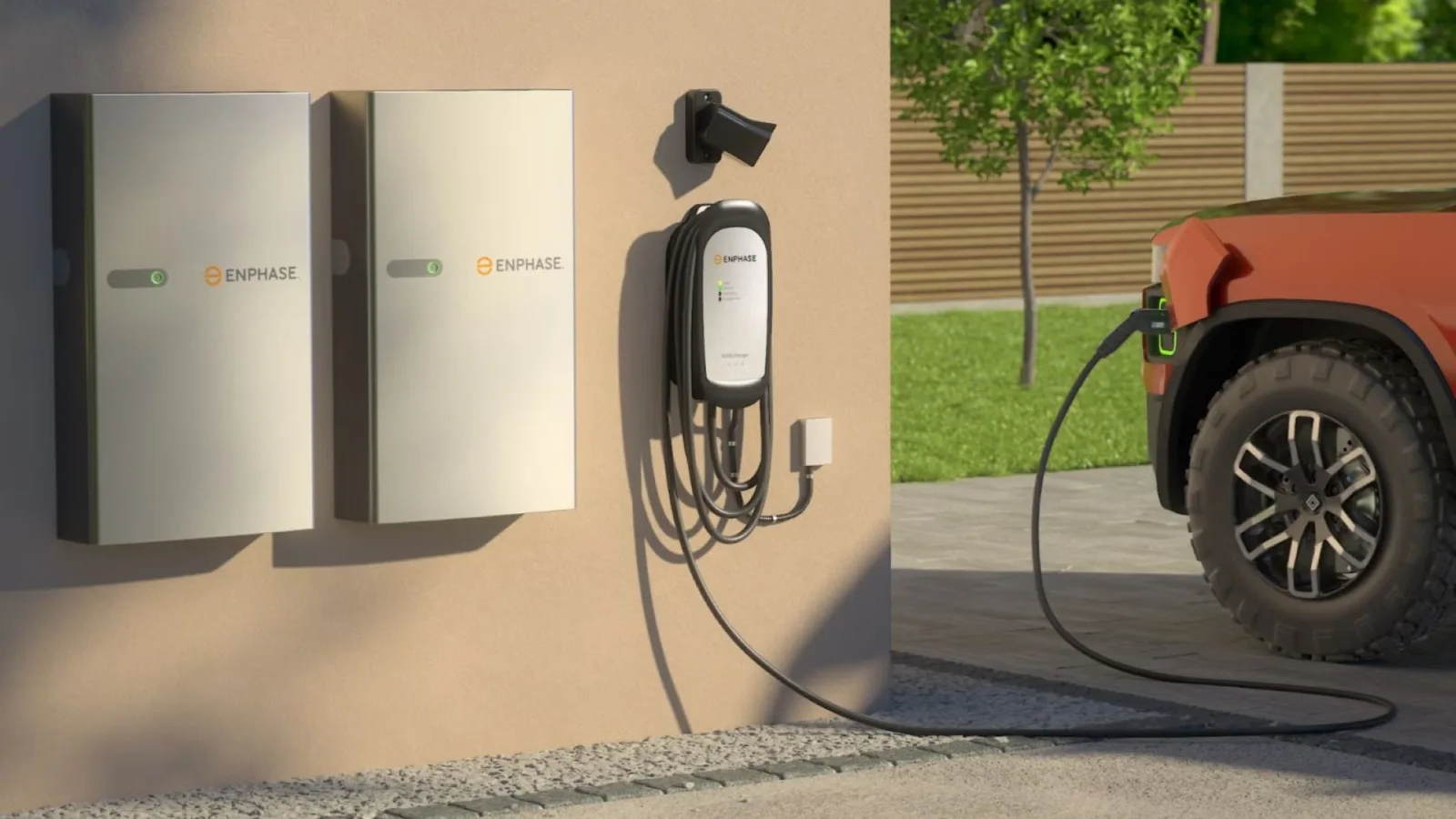
A user integrating an Enphase IQ 40 EV charger with a home solar setup experienced persistent connectivity failures that rendered the charger’s solar-aware functions virtually unusable. Despite powering the electric vehicle normally, the charger couldn’t access the smart features designed to optimize the use of surplus solar energy, forcing manual charging instead.
Detailed troubleshooting efforts revealed a complex mix of network and software challenges. The homeowner experimented extensively, including adjusting network subnets, juggling 2.4 GHz and 5 GHz Wi-Fi bands, and attempting access via AP mode. Complications included a Wi-Fi password containing special characters that the Enphase app did not accept. Even direct Ethernet connection to the network switch failed to restore the Gateway’s local IP accessibility, which is critical for synchronizing the system components.

This issue highlights a broader problem where software or firmware bugs can inhibit the functionality of smart home energy devices, diminishing the benefits of advanced integrations. The Enphase system’s delay in connecting to its cloud backend prevented the charger from detecting and using excess solar power in real time, thereby negating a key advantage of pairing EV chargers with solar installations: reducing reliance on grid electricity by using on-site renewable energy.
Integrations like these aim to lower energy costs and carbon footprints by automatically directing surplus solar power to the vehicle. Without reliable cloud communication, homeowners risk losing these savings and must rely on less efficient manual charging modes.
For households seeking greater energy resilience, adding battery storage remains a viable alternative. Home battery systems help preserve generated solar power for later use, reduce dependence on the grid during peak hours, and provide backup in outages. Several tools and platforms offer comparisons and price guarantees for battery installations, while more affordable plug-and-play backup solutions have also entered the market, catering to those with tighter budgets.
Ultimately, while hardware installations like the Enphase EV charger promise convenience and savings, seamless software connectivity is essential. Without it, the user experience can fall short, undermining the investments in renewable energy and home electrification technologies.