

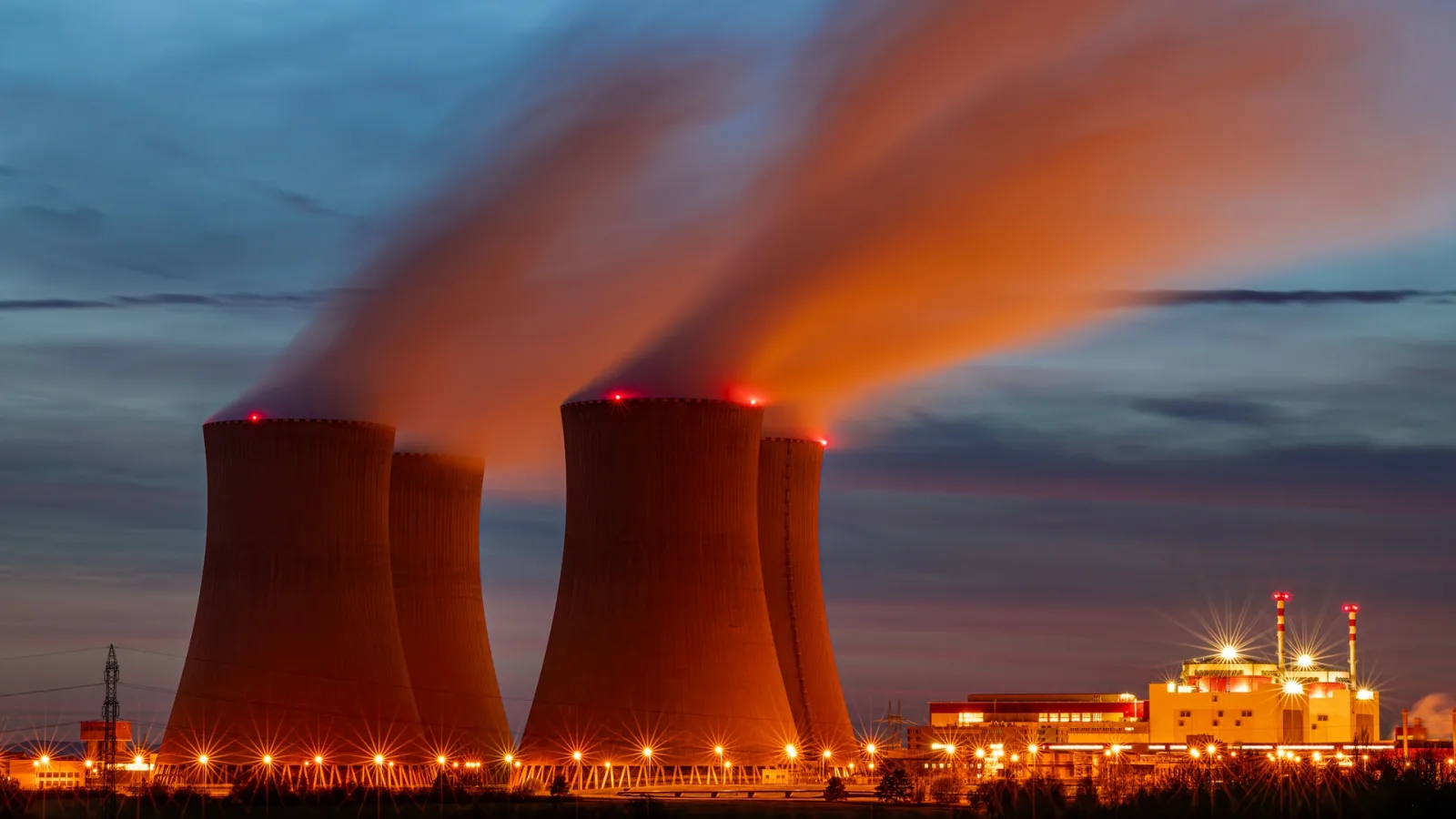
As energy demands surge, innovations in nuclear power are drawing renewed attention for their potential to provide vast, clean, and reliable electricity. Beyond traditional large-scale reactors, a variety of new technologies aim to enhance grid stability, accelerate development, and reduce environmental impact.
One key development is the rise of small modular reactors (SMRs). These compact power plants require less space than conventional reactors and promise quicker construction times. Utilities are collaborating to assess how SMRs might support the energy needs of rapidly growing data centers, which consume vast amounts of electricity. SMRs could deliver consistent, low-pollution power crucial for these digital hubs.

In parallel, researchers have created a safe proxy for nuclear testing. The ViBRANT project at Idaho National Laboratory uses a small, telephone-sized reactor made from benign materials to simulate and optimize the performance of future reactors, allowing safer and more efficient testing without the risks of handling radioactive substances.
Addressing practical hurdles, an Italian startup has secured a supply chain for the components of its SOLO small nuclear reactor, setting it apart in an industry often slowed by parts availability. This established supply line positions the project for a projected operational kickoff by 2028, marking a significant step toward deployment readiness.
Artificial intelligence is also accelerating the design of fusion reactors. The StellFoundry initiative leverages AI-driven simulations to streamline the creation of stellarators, complex devices that generate magnetic fields needed to contain fusion plasma. These digital models speed up the experimental phase, edging closer to harnessing fusion’s energy potential.
Meanwhile, a New Zealand company presents a novel fusion approach featuring a levitating magnet system. Unlike traditional stellarators or tokamaks, this design suspends a heavy magnet within the reactor using magnetic forces, avoiding physical supports that can disrupt plasma confinement. Early tests indicate promising progress, with ambitions for a functional reactor within a few years.
Together, these diverse innovations reflect a broad push to diversify and decarbonize energy sources. With cleaner alternatives like solar and wind rising, nuclear power’s evolving technologies could play a pivotal role in stabilizing modern power grids strained by climate and consumption pressures.