

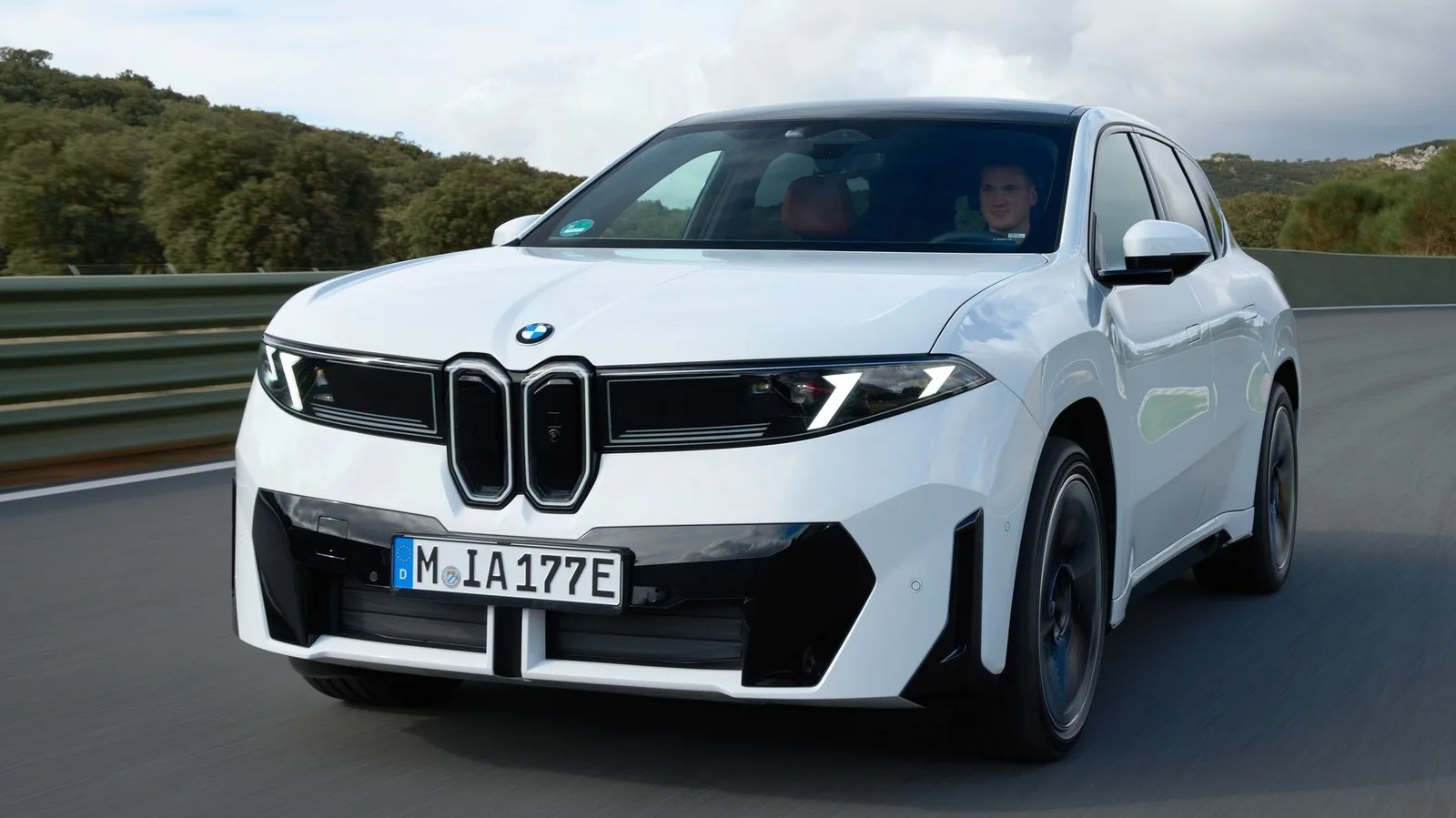
The transition from gasoline-powered vehicles to electric cars faces challenges beyond just technology and infrastructure. Electric vehicle (EV) owners lending their cars to friends, family, or the public could be a key step to encouraging widespread acceptance and use of EVs.
While electric vehicles currently occupy a niche market, particularly in performance and luxury segments, many drivers remain unfamiliar or hesitant about EVs’ capabilities. Allowing more people to experience electric cars firsthand can demystify the technology and address concerns about range, charging, and performance.

This strategy is crucial because the average driver’s daily experience strongly influences their acceptance of new automotive technologies. By sharing their EVs, owners provide real-world demonstrations that can replace misconceptions with practical knowledge, helping to bridge the gap until electric cars become the norm.
Alongside the benefits of exposure, increased shared usage may also highlight existing limitations in charging networks and vehicle availability, informing where future infrastructure and industry focus should be placed. As more drivers test electric vehicles without committing to a purchase, manufacturers and policymakers could better understand consumer needs and barriers.
This approach complements ongoing efforts to improve EV affordability, range, and charging speed. It encourages community-level participation in the transition while fostering trust and familiarity with electric technology. Sharing EVs creates opportunities for drivers to make informed decisions based on direct experience rather than assumptions or secondhand information.
Ultimately, broadening electric vehicle exposure through lending addresses a critical psychological and social hurdle in achieving large-scale adoption, offering a practical step toward reducing reliance on internal combustion engines.