

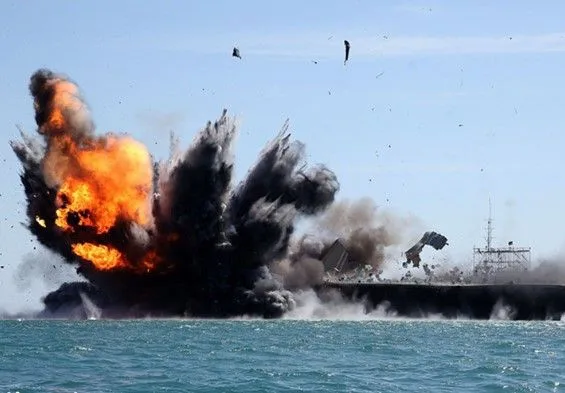
The United States carried out a fresh series of military strikes against Iranian targets following attacks on civilian maritime traffic near the Strait of Hormuz, a key international shipping route. These recent actions mark the third wave of US attacks within a 24-hour period aimed at degrading Iran’s ability to threaten commercial ships and regional stability.
According to US Central Command (CENTCOM), the strikes targeted areas along Iran’s southern coast, including locations adjacent to the strategic waterway. The operations focused on missile and air defense systems and naval assets linked to the Islamic Revolutionary Guard Corps (IRGC). In response, Iran’s IRGC fired upon civilian ships navigating the strait, escalating tensions amid an already fragile ceasefire between the two nations. US forces intercepted an Iranian cruise missile and a suicide drone deployed during these hostile acts.

The US military confirmed that its recent strikes—numbering over 140 targets in the last 24 hours and exceeding 300 across three nights—aimed to hold Iranian forces accountable for aggressive actions threatening maritime security. Satellite imagery and regional reports indicate explosions in several Iranian coastal cities, including Jask, Qeshm, Bandar Abbas, and Sirik, though no civilian casualties or major infrastructural damage have been confirmed so far.
Meanwhile, Iran retaliated by targeting US-linked sites and neighboring countries, notably hitting border posts in Kuwait and striking an offshore oil drilling platform. Kuwait reported damage to northern posts and injuries to oil company workers following drone attacks, which Iran claims were directed against US artillery systems stationed in the region. CENTCOM denied any casualties among US personnel, emphasizing there were no US service member deaths or injuries reported.
The United Nations Secretary-General António Guterres voiced deep concern over the escalating conflict, warning that renewed hostilities could lead to catastrophic consequences for regional security and the global economy. He called on both Washington and Tehran to urgently resume diplomatic negotiations to prevent further deterioration.