

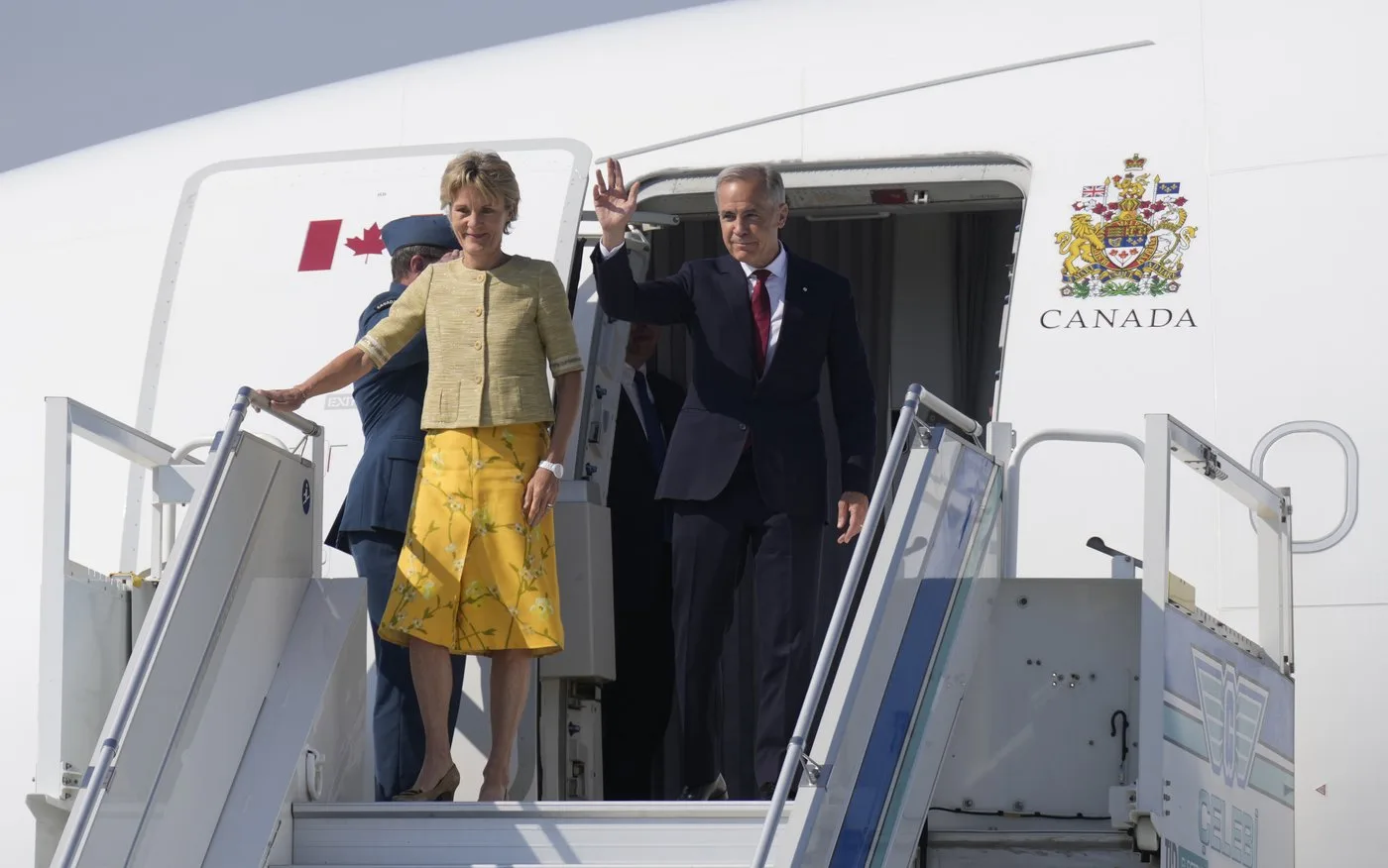
Prime Minister Mark Carney used the NATO summit in Turkey’s capital to prioritize bilateral trade talks and strengthen defense collaboration among allied nations. In a key development, Carney and Turkish President Recep Erdogan announced the formal start of free-trade negotiations between their countries, aiming to deepen economic ties amid the summit’s security-focused agenda.
Carney also held a bilateral meeting with Ukrainian President Volodymyr Zelenskyy, addressing ongoing security concerns. Later, he joined a trilateral discussion with German Chancellor Friedrich Merz and Norwegian Prime Minister Gahr Store, underscoring Canada’s commitment to collaborative defense efforts. Ahead of the summit, Canada selected a German and Norwegian consortium as the preferred bidder for a new submarine fleet for the Royal Canadian Navy, shifting procurement strategy toward European partnership.

On the sidelines, Carney met with South Korean President Lee Jae Myung. Defence Minister David McGuinty confirmed that while the German-Norwegian bid leads the submarine contract, South Korean firm Hanwha remains a reserve bidder, pending the progress of negotiations with TKMS. These defense talks align with broader NATO goals of increasing military spending and enhancing alliance unity in the face of global security challenges.
NATO Secretary-General Mark Rutte highlighted plans for the alliance to acquire Saab GlobalEye radar jets, predominantly manufactured in Canada, signaling deeper industrial cooperation. Carney advocated for establishing a multinational defense bank to finance sector growth, though his scheduled panel on defense financing was removed from the public agenda. Canada’s Foreign Affairs Minister Anita Anand will represent the country in related discussions.
With leaders scheduled to convene for a summit dinner before the North Atlantic Council meeting, this year’s summit aims to streamline operations and minimize diplomatic tensions. However, U.S. President Donald Trump’s recent provocative actions—including his proposal to annex Greenland and surprise military action against Iran—continue to influence alliance dynamics and complicate unity efforts among NATO members.