

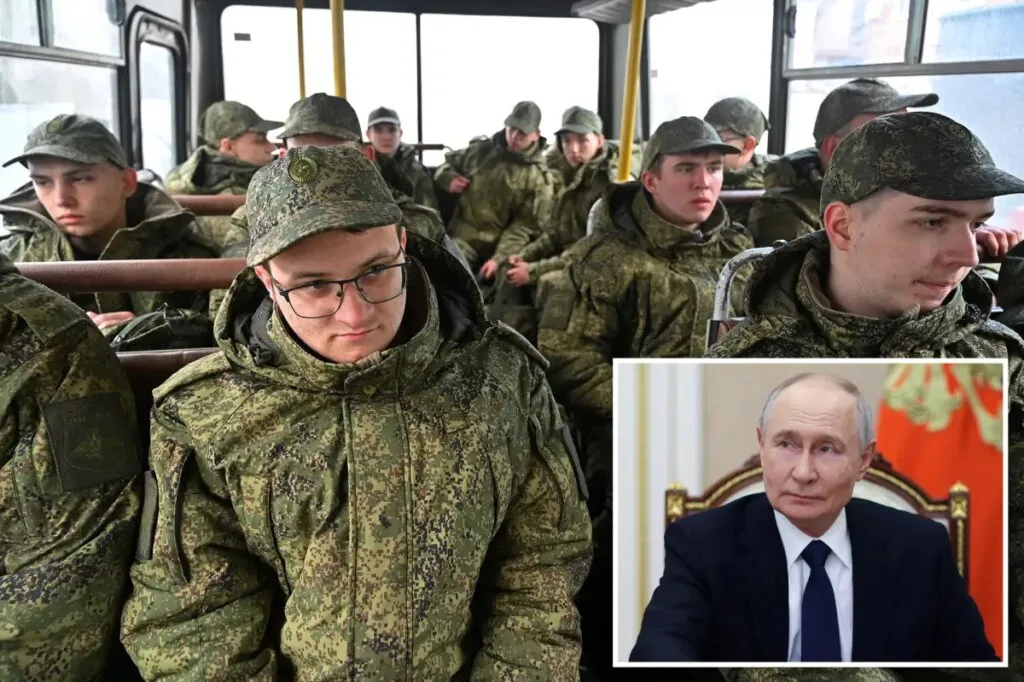
Recent analysis shows that Russian recruits deployed to the Ukraine front lines typically survive only between 20 and 35 minutes in active combat. This stark figure reflects the rapid attrition faced by Vladimir Putin’s forces amid increasingly effective Ukrainian drone strikes.
Once enlisted, new soldiers often experience a survival span as short as 10 days to three weeks from their training camps to battlefield deaths, according to historian Peter Frankopan’s detailed report referencing Russian military bloggers. Despite Russian claims of recruiting hundreds of thousands of contract soldiers for yearlong service, conscription numbers have reportedly fallen by roughly 30% in the current year.

Russian military bloggers estimate that daily enlistment of 800 to 1,000 volunteers continues, though many receive only minimal combat training lasting a few days. Casualties remain devastatingly high, with some Western assessments placing total Russian losses since the war’s onset well above one million. The monthly death toll is estimated at over 30,000, a figure exacerbated by the overwhelming use of drones by Ukrainian forces.
This high casualty rate has led Russian authorities to offer substantial financial incentives to attract recruits, including sign-up bonuses up to $80,000 and debt relief reaching $140,000. Such amounts starkly contrast with Russia’s average monthly salary, around $1,000, and are aimed at compensating for the intense risk new soldiers face.
The evolution of drone warfare has also severely disrupted Russia’s internal infrastructure. Ukrainian drones have targeted key facilities across Russia, notably disabling the country’s largest oil refinery and cutting refining capacity by approximately 700,000 barrels per day. More than half of Russia’s regions now experience fuel rationing, a critical situation for the world’s third-largest oil producer.
Meanwhile, Russia allocates over half of its national budget to military expenditures, raising concerns about the sustainability of its economy. Reports from within Russian ranks include allegations of mistreatment and even torture of soldiers by their own commanders, intensifying worries about morale and potential unrest within the armed forces.