

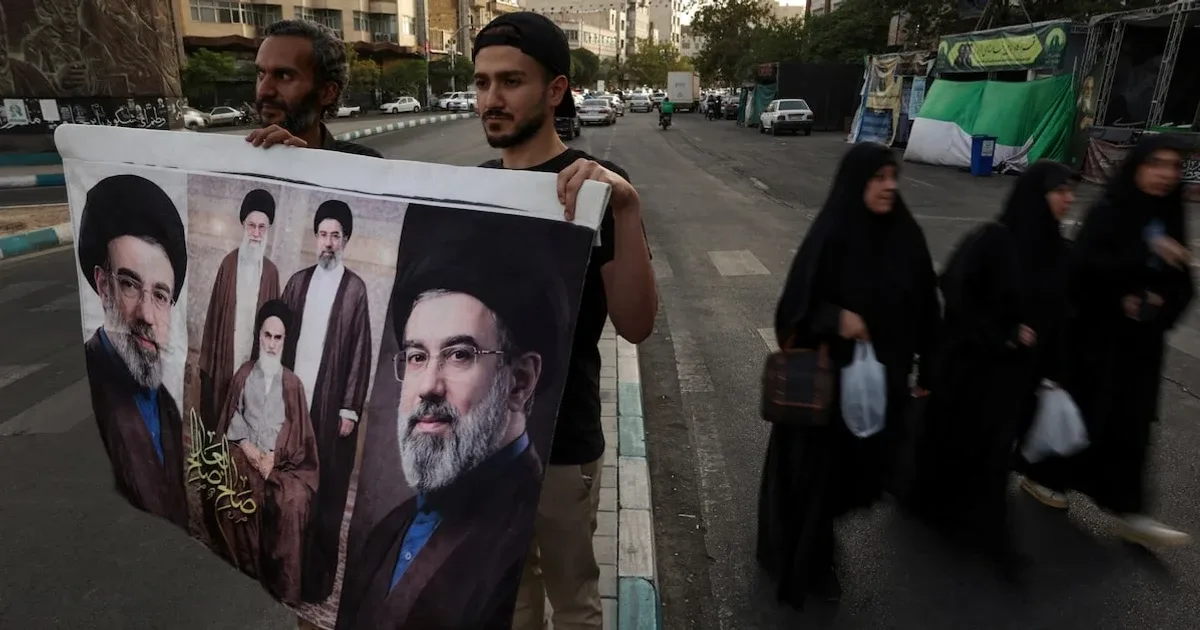
Iran held an extensive funeral ceremony for Supreme Leader Ali Khamenei, who was killed in the initial phase of the ongoing war with the United States and Israel. The public mourning in Tehran served as a demonstration of loyalty to the Islamic Republic while marking a critical moment in its leadership transition under wartime conditions.
Khamenei had led Iran since 1989, wielding supreme authority over the armed forces and government affairs. His death triggered a carefully managed succession process, with Mojtaba Khamenei selected by the Assembly of Experts as the new supreme leader in March 2026. This handover echoes the 1989 transition after Ruhollah Khomeini’s death but unfolds amid active military conflict and regional tensions.

The war that claimed Khamenei’s life began with coordinated U.S. and Israeli strikes in late February 2026. Retaliation from Iran followed immediately, involving missile launches and drone attacks across the Middle East, escalating casualties, displacement, and disruptions, especially near the strategically vital Strait of Hormuz.
Against this backdrop, the funeral acted as more than a state ritual; it was a clear signal to Washington and Jerusalem of Tehran’s resolve against external pressure. The regime portrayed itself as undiminished in power despite the loss of its top leader and ongoing sanctions, emphasizing defiance rather than capitulation.
The transition also carries heightened stakes because the incoming supreme leader, Mojtaba Khamenei, must consolidate authority amid the chaos of war and geopolitical challenges. The government's ability to orchestrate the funeral procession with a large turnout underscored both elite control and public mobilization aimed at reassuring supporters and opponents alike.