

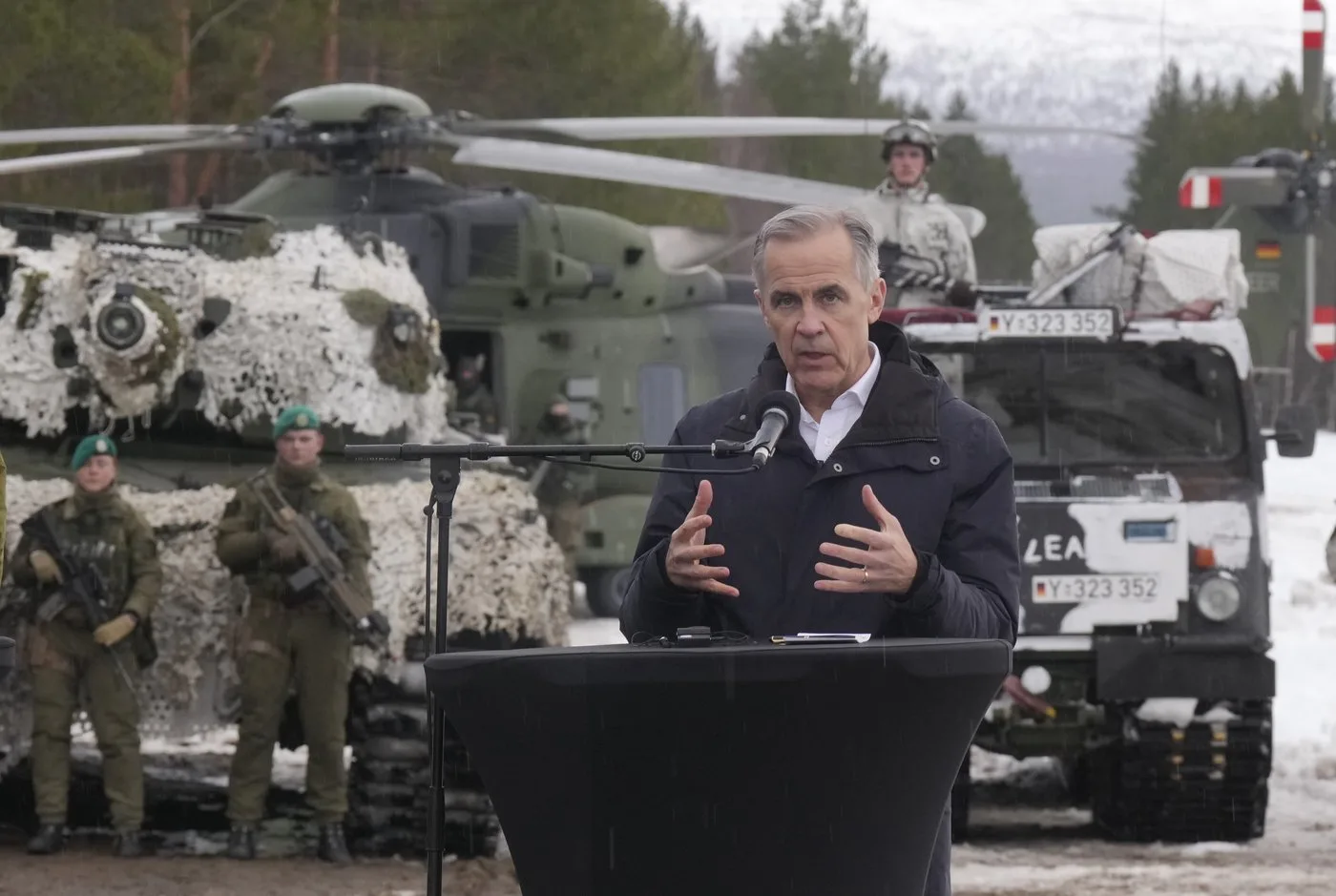
Mark Carney will visit Ankara to attend the annual NATO summit, marking the first trip by a Canadian prime minister to Turkey since 2015. This year’s summit on July 7 and 8 has been notably streamlined, featuring only a dinner and a single session, reflecting efforts by member states to minimize friction amid concerns about disruption from U.S. President Donald Trump.
The primary focus of the meeting will be managing the U.S. role within NATO and maintaining alliance unity. Observers note that Trump’s preference for autocratic leaders over traditional allies creates a complex dynamic, but Turkey’s hosting of the event may help contain tensions. This summit follows a relatively smooth G7 meeting in France, where allied cooperation was largely uninterrupted.

Defence spending commitments will dominate discussions, with NATO Secretary-General Mark Rutte urging members to deliver credible plans to reach the alliance goal of five percent of GDP on defence by 2035. Canadian officials confirmed that Carney will highlight Canada’s progress in increasing military expenditure and take part in talks on financing the defence sector. Although bilateral meetings are still being scheduled, Carney’s itinerary will also include fostering economic and security relations with Turkey.
Canada’s relationship with Turkey, a key NATO ally, is shaped by shared interests in diversifying trade and reducing supply chain risks. Turkish Foreign Minister Hakan Fidan has emphasized the complementary role Europe should play alongside NATO, avoiding duplicative military efforts. Experts see strong potential for deepening trade ties, including cooperation on energy exports and nuclear technology, with Turkey showing interest in Canadian nuclear expertise as part of its strategy to lessen reliance on Russia.
The Carney government has outlined four main pillars guiding its engagement with Turkey: energy exports, economic opportunities, trade, and defence and security collaboration. While geopolitical challenges remain, analysts agree that current relations are on a positive trajectory benefiting both countries.