Trump Acknowledges Embracing Crypto Primarily for Political Strategy
Former President Trump revealed that his pro-crypto stance emerged from political motives and economic concerns about China’s dominance in digital assets.


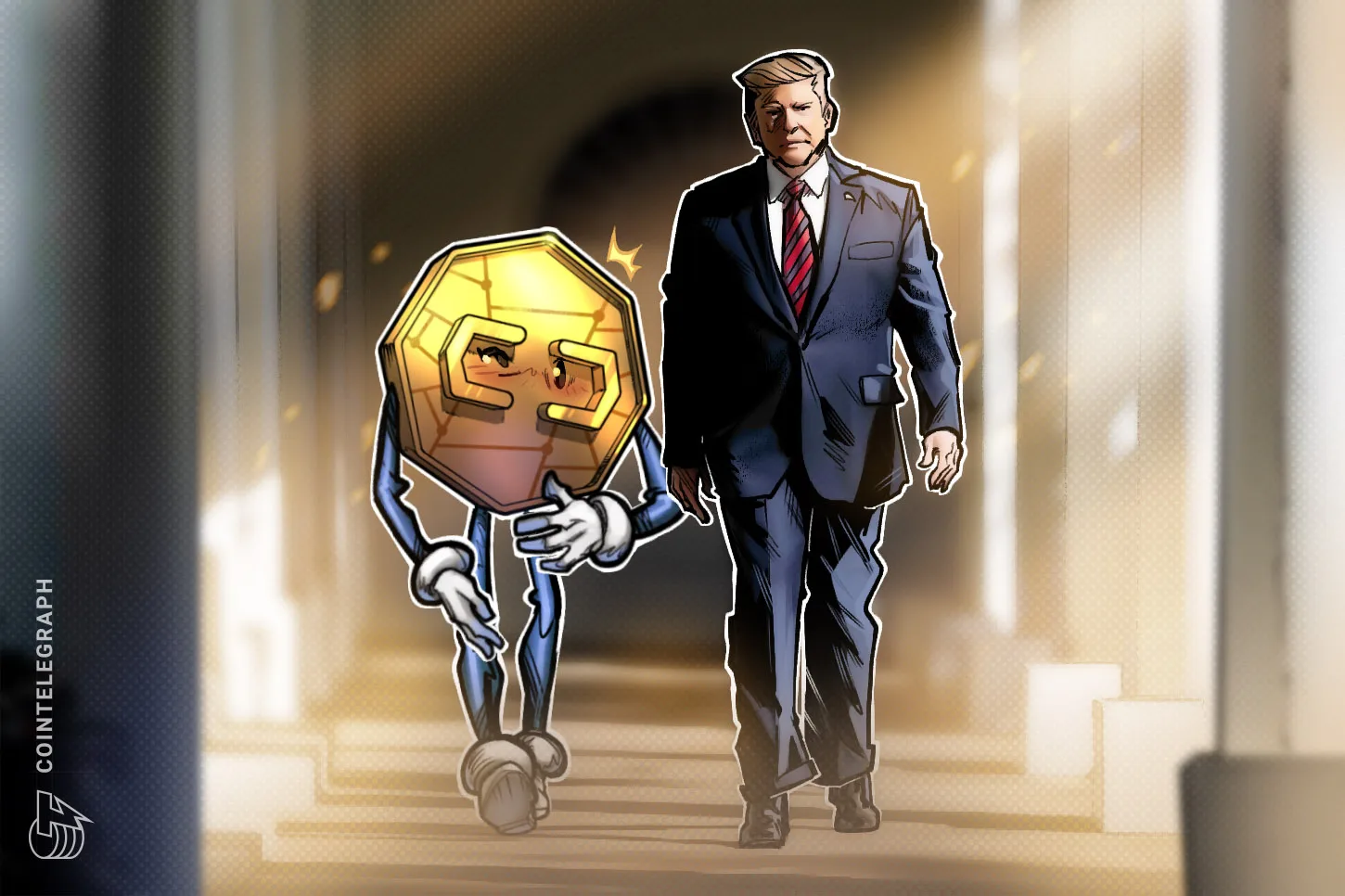
Former President Trump revealed that his pro-crypto stance emerged from political motives and economic concerns about China’s dominance in digital assets.

Blockchain data reveals James Fickel transferred 20,000 ETH from Coinbase Prime to a fresh wallet, sparking interest among institutional observers and crypto analysts.

Bitcoin quickly recovered above $63,000 after a strategic selloff, with onchain data showing seller exhaustion and steady institutional inflows supporting the market.

Bitcoin moves from German government wallets to Kraken and Coinbase raise worries of potential sell-offs as traders monitor growing exchange deposits.
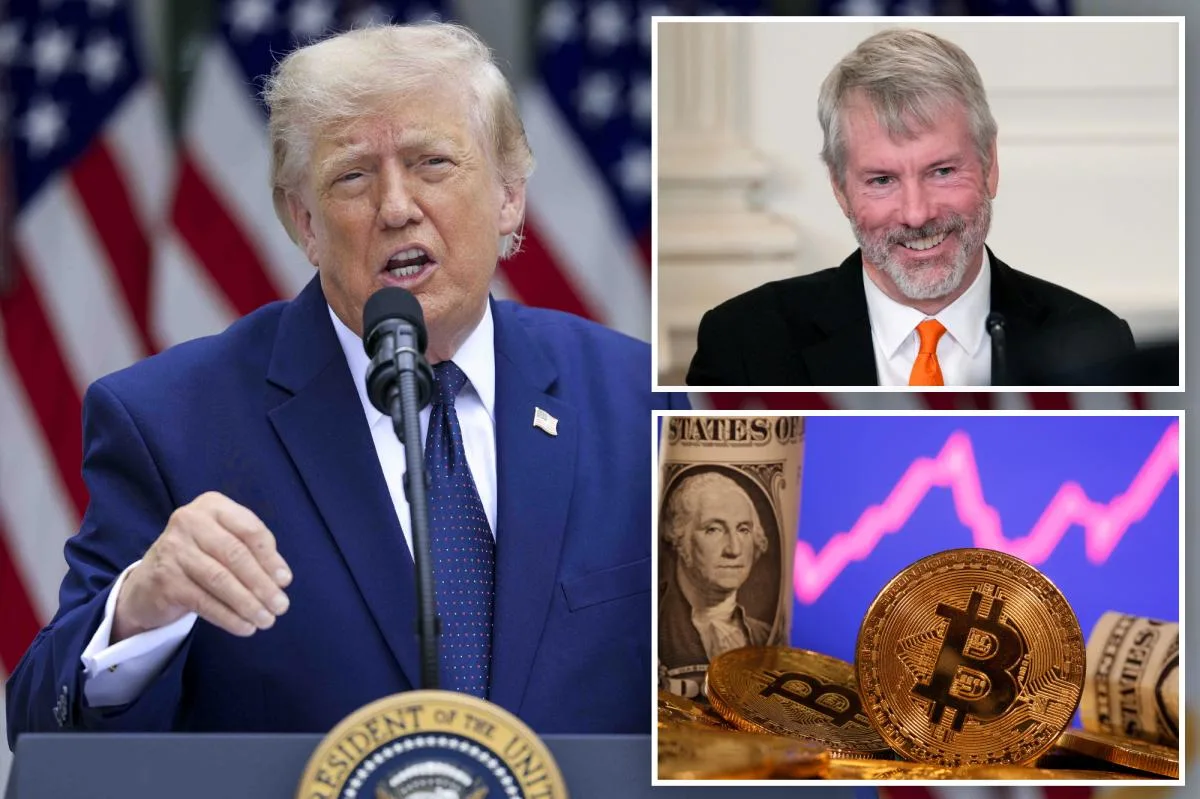
Bitcoin rebounded after President Trump identified himself as “a big crypto guy” and signaled openness to digital assets in his new Trump Accounts, reversing recent losses triggered by major Bitcoin sales.

Despite a persistent sell-off, Bitcoin’s long-term holders are holding firm, but looming macroeconomic uncertainties suggest the cryptocurrency’s decline may not yet be over.


Renewed interest in crypto boosts US stocks like MSTR, COIN, and HOOD following President Trump’s public endorsement of Bitcoin and digital assets.

Dogecoin maintained recent gains near $0.077 as wider crypto markets strengthened after former President Trump expressed strong support for cryptocurrencies.
A Bitcoin address inactive since 2011 transferred funds for the first time in 15 years, spotlighting legal challenges over ownership of dormant cryptocurrency assets.
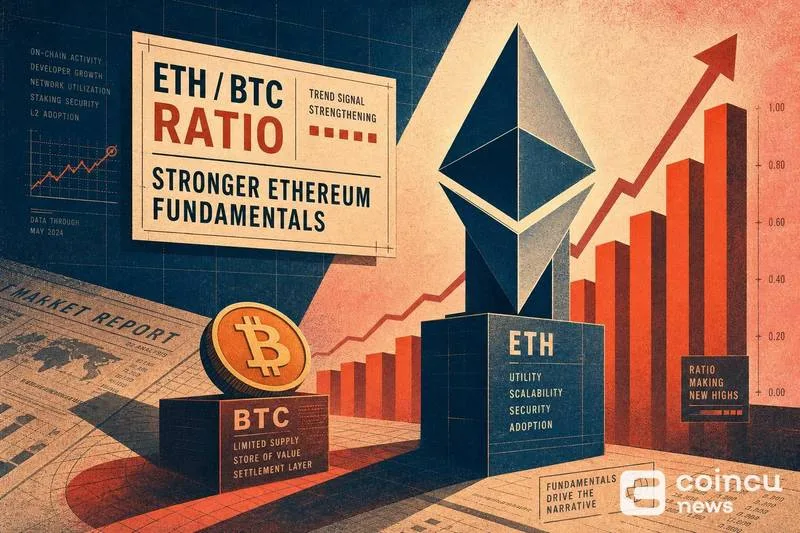
Fundstrat’s Tom Lee highlights the rising ETH/BTC ratio as a forward-looking signal that the market anticipates stronger Ethereum fundamentals compared to Bitcoin.

Ripple secured a Crypto Asset Service Provider license under the EU’s MiCA framework, enabling regulated crypto operations throughout the European Economic Area.

Coinbase announced its intention to list Grove (GROVE), promising increased visibility and liquidity for the token among its extensive user base.