

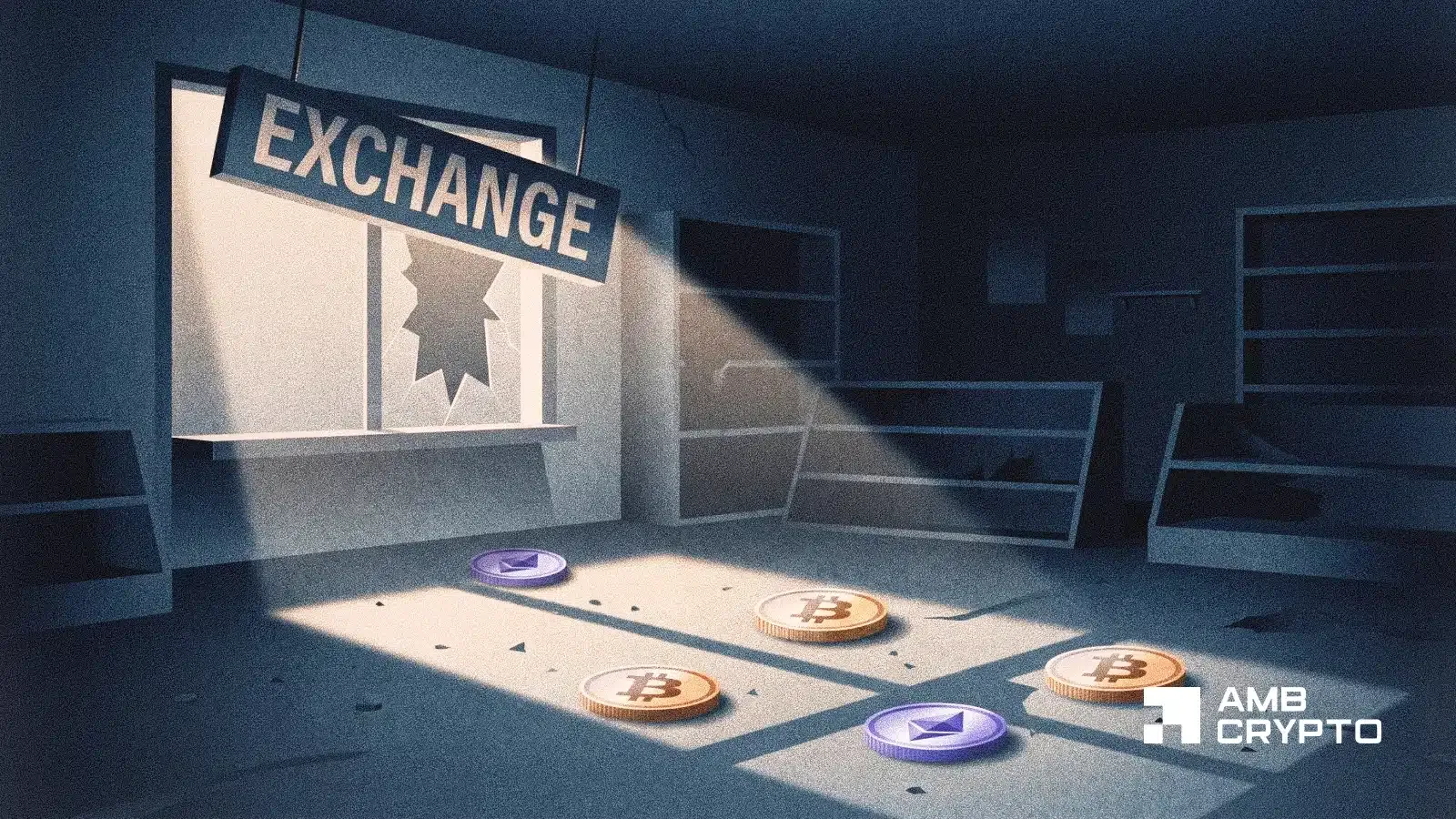
Bitcoin and Ethereum are experiencing a significant reduction in liquid supply on exchanges, reaching the lowest levels recorded in years. This trend reflects a broader shift among holders, particularly long-term investors, who increasingly prefer to hold their assets off exchanges, reducing the volume of coins readily available for trading.
Data reveals that the total Bitcoin held on exchanges is at its lowest since 2017, while Ethereum balances on exchanges have fallen to levels unseen since 2015. This decline is driven by sustained net withdrawals, indicating that investors and institutions favor self-custody solutions like ETFs or corporate treasury storage. The effect is a tighter supply pool on exchanges, which could reduce immediate selling pressure but also create scarcity that may influence future price movements.

The long-term holder segment of Bitcoin plays a crucial role in this supply squeeze. These investors continue to accumulate rather than distribute, even during market downturns, signaling increased conviction. Metrics such as Long-Term Holder Net Position Change have shifted positive, illustrating a renewed phase of accumulation. Concurrently, analysis of HODL Waves and rising illiquid supply shows that older Bitcoin remains dormant despite market volatility, further limiting coins available for active trade.
Smaller and medium-sized wallets also contribute to the ongoing accumulation trend. Bitcoin supply held by long-term holders nears 15 million BTC, while short-term holder supply falls below 17 million BTC. This migration from short-term to long-term holders underlines a strengthening supply floor for Bitcoin.
Despite these supply constraints, experts note that for Bitcoin’s recovery to hold, stronger buying demand must emerge. Tightening supply alone may not sustain price momentum without increased market absorption of the available liquidity. Ethereum’s similar decline in exchange supply suggests a parallel dynamic but with its own market drivers.