

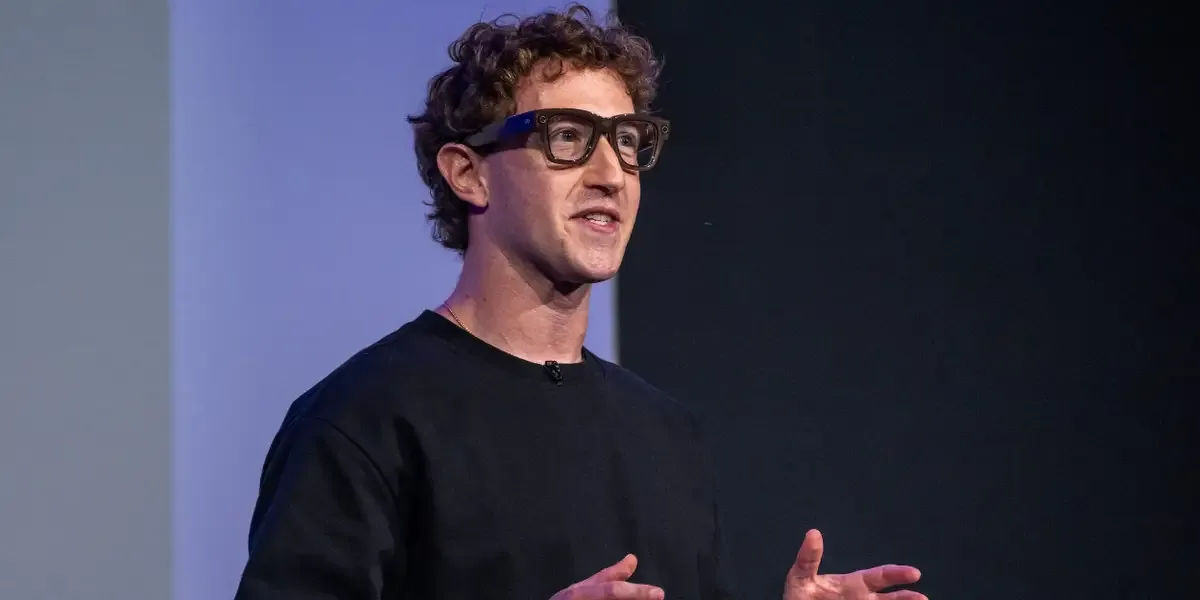
Mark Zuckerberg dismissed common concerns that artificial intelligence will inevitably lead to massive job displacement. In a recent interview, he suggested that the impact of AI on employment depends largely on how companies choose to deploy the technology.
Zuckerberg emphasized a vision where AI acts as a "personal super intelligence," enhancing workers’ productivity rather than fully automating knowledge-based tasks. He contrasted this with approaches that prioritize automating work across the board, which he sees as a less desirable path. Highlighting the risks of concentrating automation efforts within only a few companies, Zuckerberg argued that a balanced AI landscape—where some firms focus on efficiency gains and others on empowering individuals—could lead to a healthier job market.

Meta’s CEO framed the growth of AI as an opportunity to increase job numbers if workers can maintain a productivity edge over automation. He pointed out that businesses always seek greater efficiency, but if AI tools make employees more effective faster than jobs are automated away, employment should grow rather than shrink.
Despite its long-standing presence in tech, Meta has faced challenges keeping pace with AI competitors. Zuckerberg described Meta’s recent multi-billion-dollar investment in AI talent and infrastructure as a “reboot” of its AI strategy. The company’s AI division released Muse Spark, its first large language model since investing heavily in AI research platforms like Scale AI.
While acknowledging progress, Zuckerberg maintained that Meta’s AI capabilities—centered in a lab less than a year old—still have room to improve. His measured optimism contrasts with more skeptical voices within the industry, including former Meta executives who question whether the company can catch up with leaders in generative AI.