

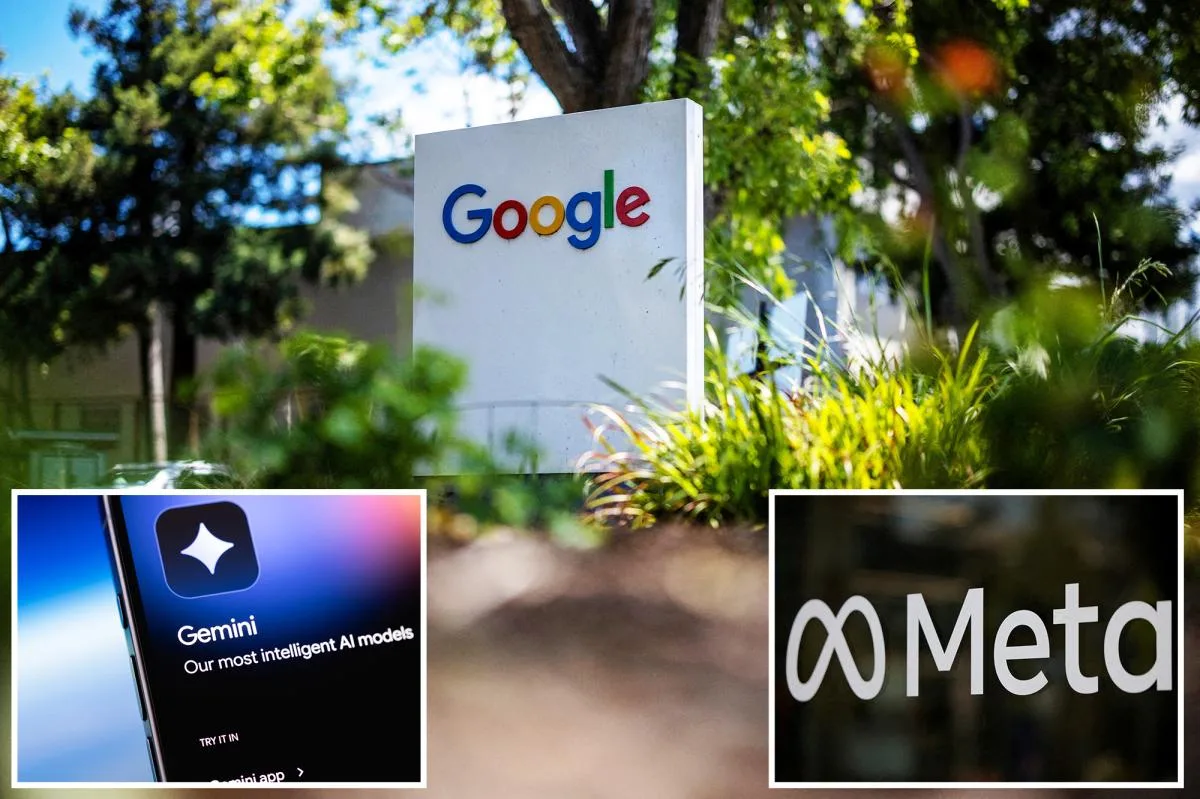
Meta has faced restrictions on its use of Google’s Gemini AI models after requesting computing power beyond what Google could supply, according to a report by the Financial Times. This shortfall has delayed several of Meta’s internal AI initiatives and forced the company to rethink how it uses available resources.
Google, operating under its parent company Alphabet, reportedly informed Meta around March that it could not fulfill the full demand for Gemini’s capabilities. This limitation appears to stem from broader capacity constraints affecting not only Meta but also other Google clients, although Meta’s very high usage demands have made it the most affected.

In response to these restrictions, Meta has advised its teams to optimize their AI token usage—the metric Google uses to account for AI processing—which indicates increased pressure on resources despite ongoing investments in computing power. The challenge is part of a wider struggle in the tech sector where companies continue to invest billions in chips and data centers yet still confront bottlenecks in AI infrastructure.
Google Cloud’s recent financial performance reflects these pressures. Its revenue climbed to $20 billion in the first quarter, but CEO Sundar Pichai acknowledged that limited computing availability hindered even stronger growth. The backlog of customers waiting for cloud resources nearly doubled over the quarter, exemplifying the gap between demand and capacity in this critical technology area.