

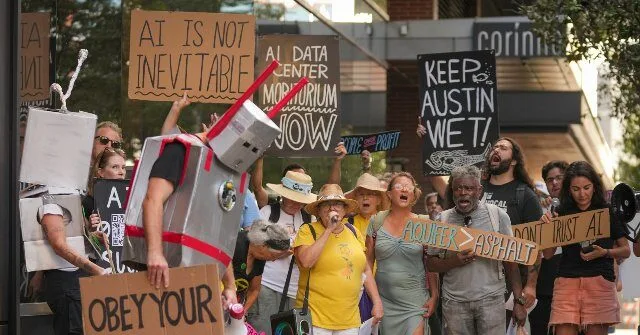
Voters handed a decisive setback to the data center industry in nearly every local jurisdiction where related measures appeared on the ballot during the recent midterm elections. Out of 41 local contests, over 95%—or exactly 40—saw residents approve restrictions or temporary moratoriums on data center development.
This widespread voter action reflects mounting concern about the rapid growth of data centers and their local impact, including issues related to energy consumption, land use, environmental effects, and infrastructure strain. Communities across multiple states chose to impose new rules that either limit or pause data center construction to reassess their long-term planning.

These measures commonly address the need to control electricity demand, protect water resources, and preserve zoning priorities by slowing or halting permits for new facilities. Opponents of unrestricted data center expansion argue that unchecked growth can overwhelm power grids and increase carbon footprints. Local governments have responded by empowering voters to decide on such trade-offs directly.
While exact regulatory details vary by locality, the trend signals a shift toward more cautious oversight as residents demand sustainability and community input in managing the digital infrastructure boom. The results also complicate state and industry efforts to promote data center investment, highlighting a grassroots push for balance between economic development and environmental stewardship.
Experts note that this voter backlash may prompt companies and policymakers to rethink siting strategies, energy sourcing, and the pace of infrastructure deployment to secure greater social license for future projects.