Alan Greenspan, Architect of Modern Fed Policy, Dies at 100
Alan Greenspan, who shaped U.S. monetary policy for nearly two decades and navigated key economic crises, died at 100 from complications of Parkinson’s disease.


Alan Greenspan, who shaped U.S. monetary policy for nearly two decades and navigated key economic crises, died at 100 from complications of Parkinson’s disease.
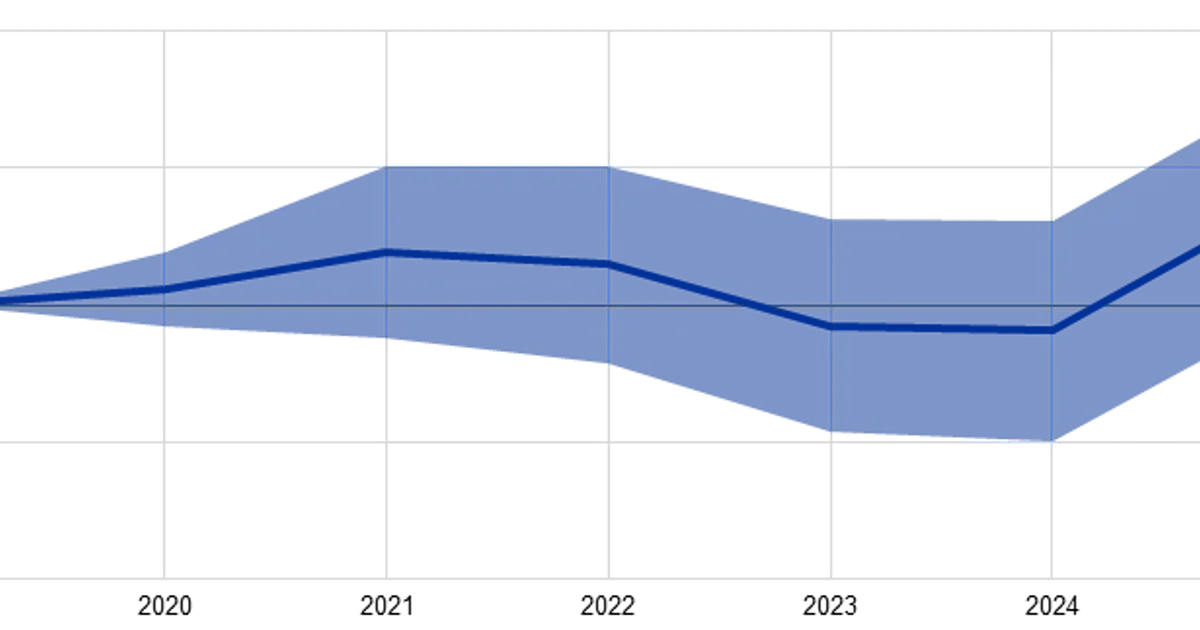
Despite growing AI adoption, a recent European Central Bank study shows U.S. jobs and wages remain largely stable, with disruption limited to vulnerable junior roles.
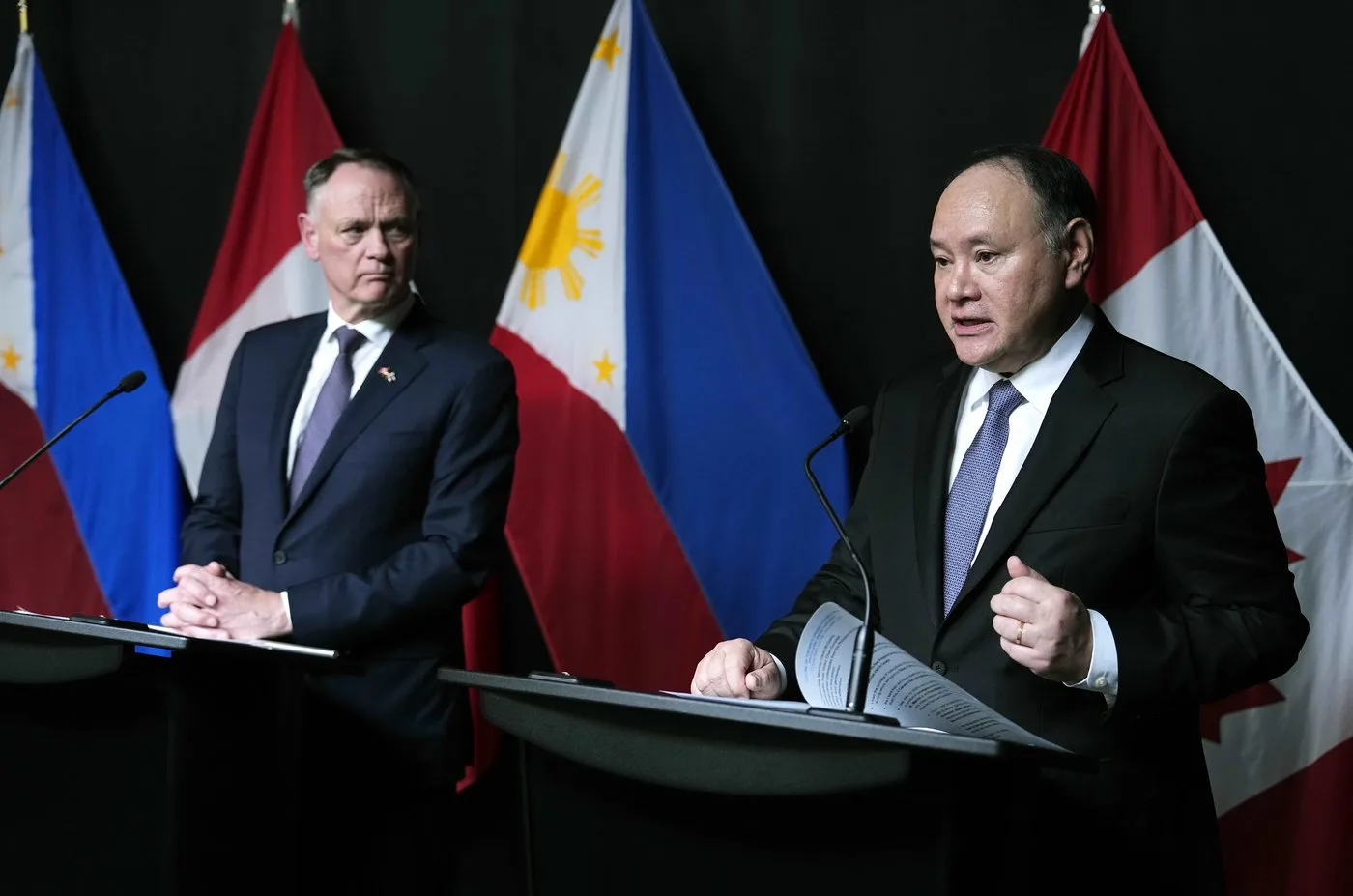
The Philippines is deepening defence collaboration with Canada to address maritime disputes with China and bolster regional security in the Indo-Pacific.

Alan Greenspan, who led the Federal Reserve for nearly two decades and coined "irrational exuberance," passed away at 100, leaving a complex legacy in U.S. economic policy.

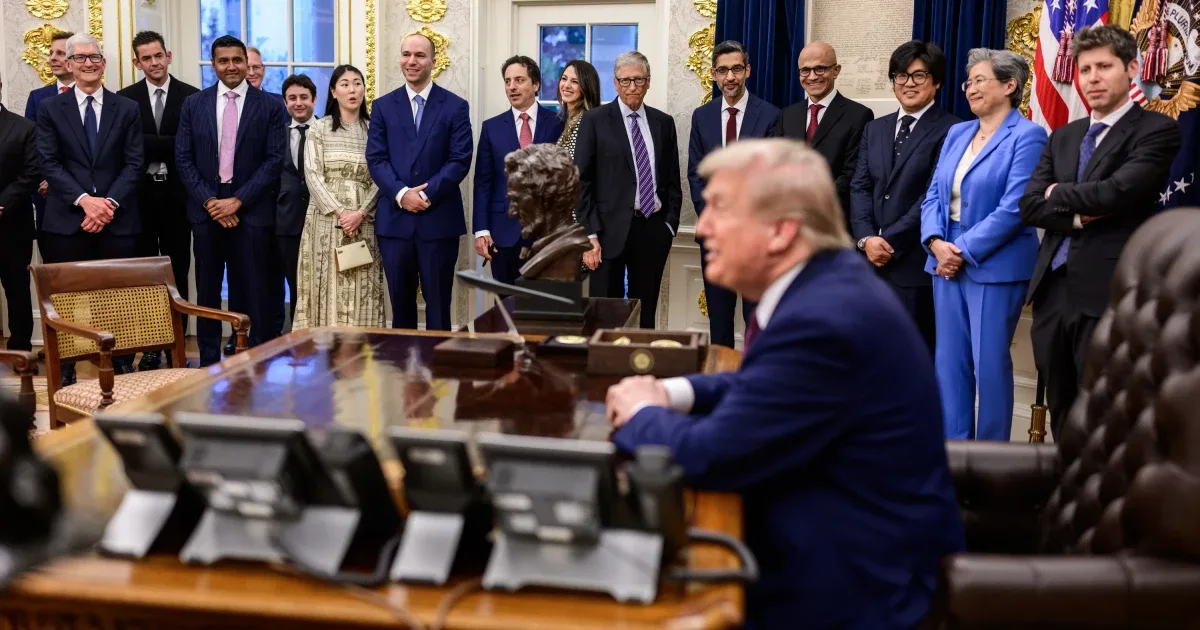
As leading AI firms prepare for public offerings, Trump’s team explores mechanisms for the government to claim financial participation in AI companies’ lucrative gains.

China has held its key loan prime rates steady for the 13th consecutive month, signaling a cautious approach amid sluggish credit demand and a struggling property market.

Rising inflation prompts more households, especially Black families, to explore safe-haven assets like gold, U.S. Treasury bonds, defensive stocks, and alternative currencies.

Norway has introduced strict controls on generative AI in schools, banning its use for young students to prioritize foundational skills amid falling test scores.

SharkNinja halted regular operations for four days to immerse employees in an AI hackathon, aiming to bridge skill gaps and boost creativity across all levels.

Ambient AI scribes reduce clinician documentation time but raise issues around patient consent, data accuracy, and legal responsibilities as their use expands in healthcare settings.