The Florida Legislature approved a new congressional map intended to maximize Republican gains in the state as part of broader redistricting efforts tied to this year's midterms. The vote occurred just two days after Governor Ron DeSantis unveiled his proposal and on the same day the U.S. Supreme Court rolled back a key provision of the Voting Rights Act. The House passed the measure 83-28, while the Senate approved it 21-17.
The new map could increase Republicans' House delegation advantage in Florida to 24 seats from 4 for Democrats, compared with the current split of 20 to 8. That potential four-seat gain positions Florida among the most significant redistricting victories for Republicans heading into the midterms. The map reshapes districts in Democratic strongholds around Orlando, the Tampa-St. Petersburg area, and South Florida counties including Palm Beach, Fort Lauderdale, and Miami. The changes could cost Representatives Jared Moskowitz and Debbie Wasserman Schultz their seats.
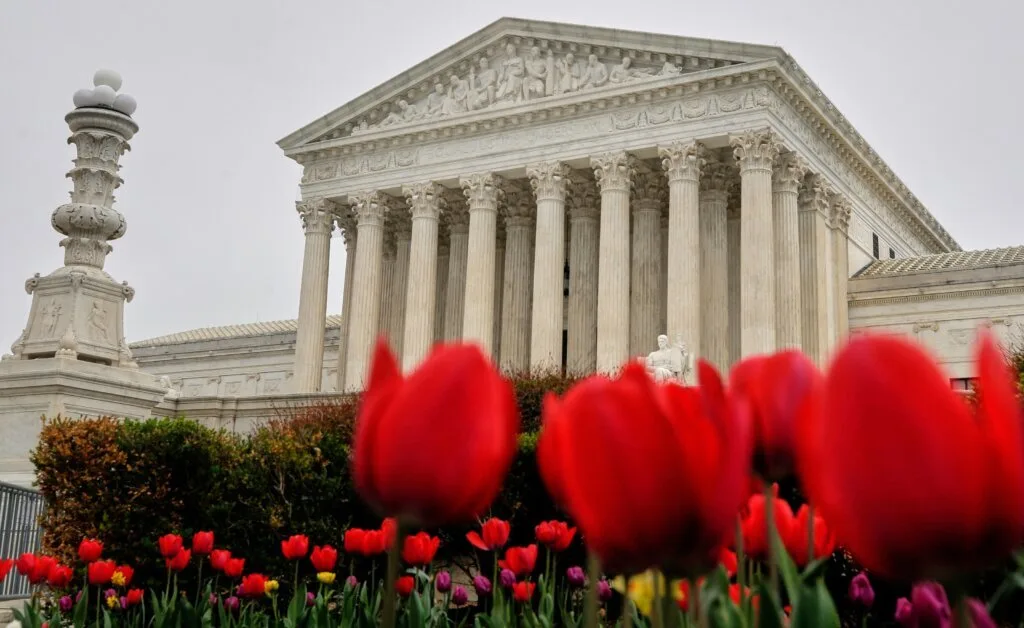
DeSantis and his aides contend the map accounts for population growth in suburban and exurban areas since the 2020 census and constitutes a "race-neutral" plan. However, the proposal effectively eliminates a nearly majority-Black South Florida district previously represented by Representative Sheila Cherfilus-McCormick, a Black Democrat, until her recent resignation. The Supreme Court's Wednesday decision struck down a Louisiana congressional district drawn to be majority-Black, a ruling that DeSantis's team believes weakens legal barriers to Florida's new districts despite state constitutional prohibitions on explicitly partisan redistricting.
Democrats and activists vocally opposed the measure, characterizing it as a partisan power grab. Representative Michele Rayner, D-St. Petersburg, accused Republicans of satisfying Trump and advancing DeSantis's future political ambitions. Representative Angie Nixon, a Jacksonville Democrat, criticized lawmakers for ceding the redistricting process to a governor whose second term expires in January. Representative Fentrice Driskell, the House Minority Leader, stated that Republicans had aligned on "destroying our democracy."
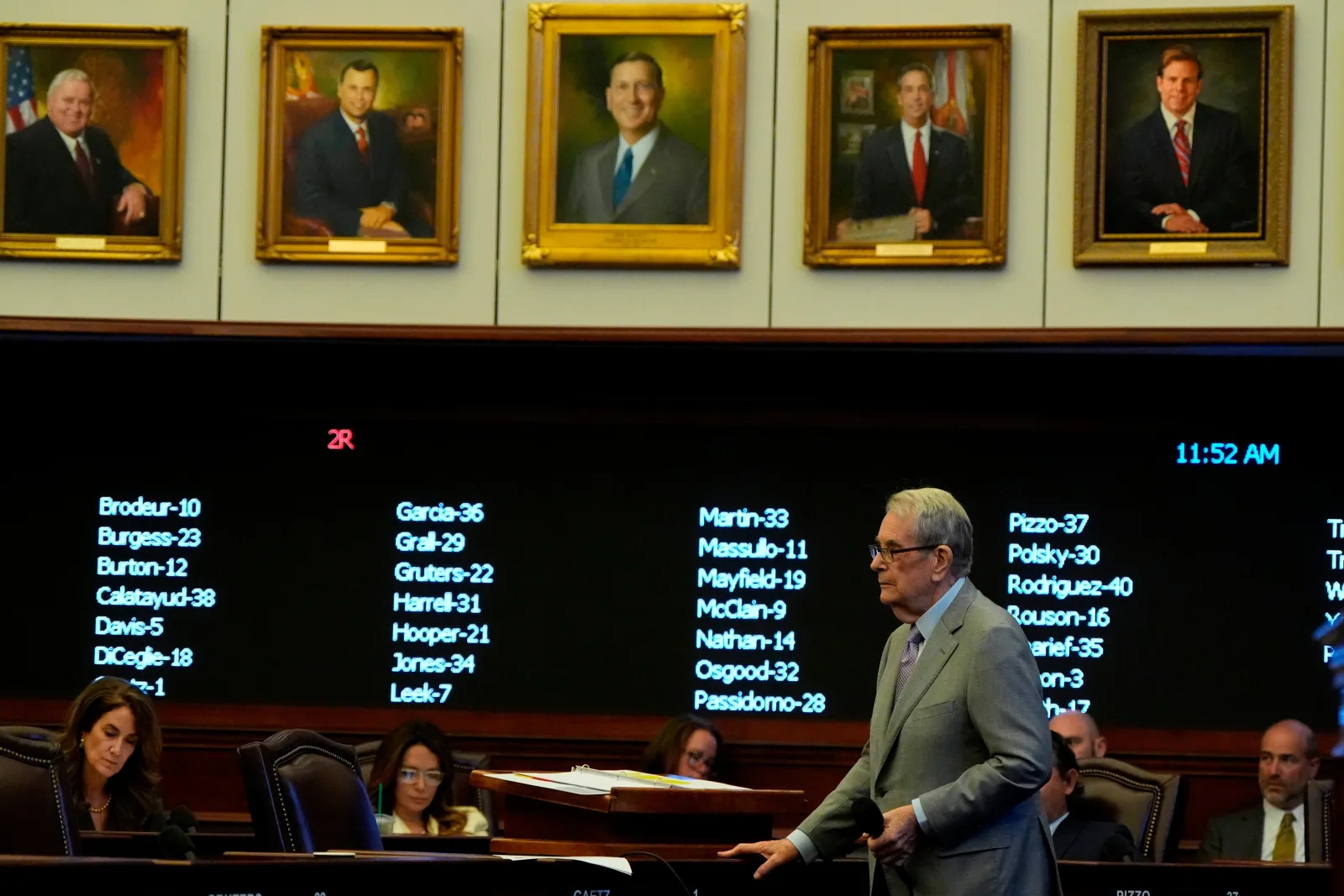
The legislation passed swiftly through a special session that opened Tuesday morning. Senate Rules Chair Kathleen Passidomo limited public testimony to 30 seconds per speaker. Those who did speak, including a Jacksonville resident and a Tampa-area veteran, expressed strong opposition, with one describing the redistricting as reminiscent of Jim Crow-era politics.
During floor debate, Representative Jenna Persons-Mulicka, the measure's sponsor, repeatedly called the map "race-neutral" but declined to discuss specifics about how it was drawn. DeSantis aide Jason Poreda, who took sole credit for the map during the session, had examined party affiliation and voting patterns, but Persons-Mulicka said she could not speak to his intent. The map was unveiled by DeSantis on Fox News, raising questions about the process from both Democrats and some Republicans.
Florida's new districts face likely legal challenges. The state constitution prohibits redistricting for explicitly partisan purposes, though DeSantis's team believes recent Florida Supreme Court rulings and the latest federal decision have weakened those protections. The outcome remains uncertain, as creating more narrowly Republican districts could leave margins thin enough for Democratic victories, particularly if anti-Trump sentiment influences voters during the midterms.
The redistricting push cost DeSantis on other legislative priorities. House Speaker Daniel Perez declined to adopt the governor's proposals on artificial intelligence regulations and vaccine mandate rollbacks, which DeSantis called "political shenanigans."