Major US Banks Consider Acquiring Debit Network to Bypass Fee Caps
Leading US banks are reportedly in early talks to buy a debit card network, potentially bypassing federal fee limits and reshaping debit card economics.


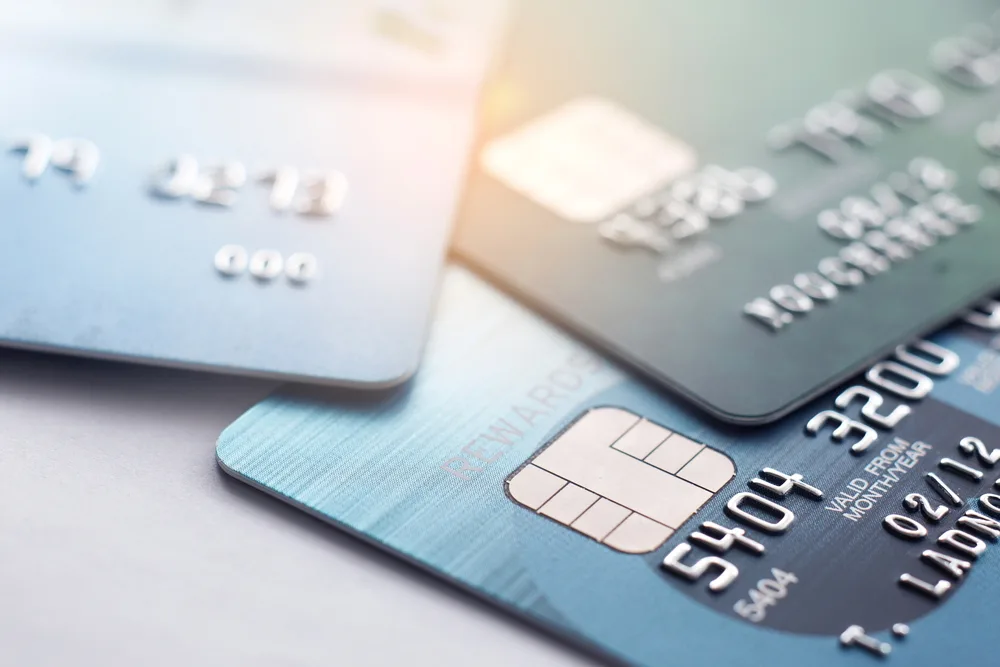
Leading US banks are reportedly in early talks to buy a debit card network, potentially bypassing federal fee limits and reshaping debit card economics.
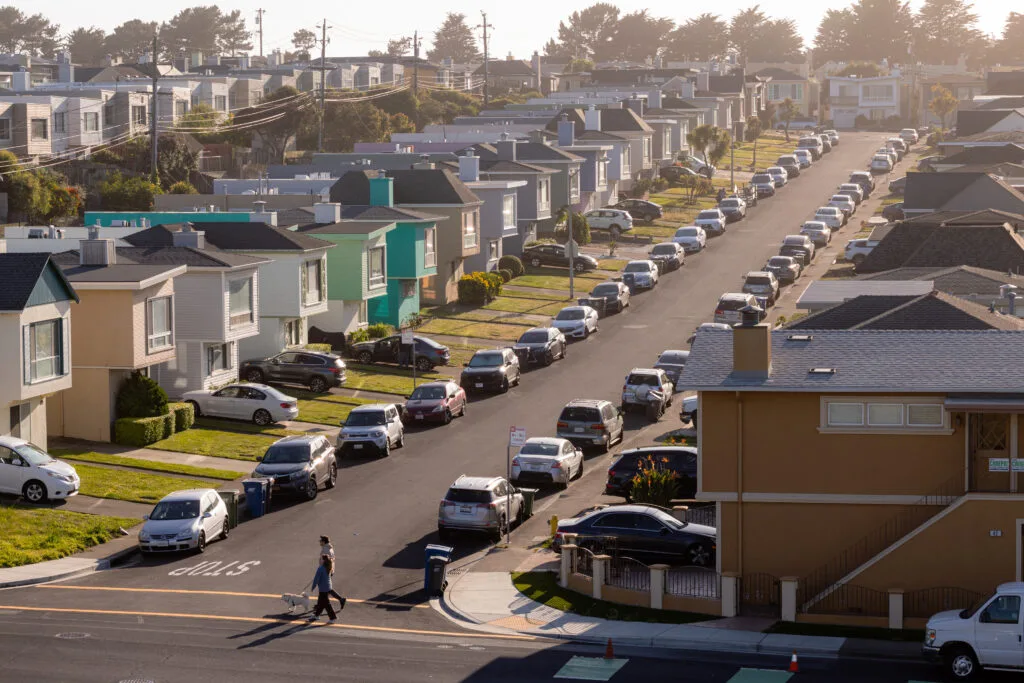
A Federal Reserve draft paper shows unauthorized immigration played a role in rising U.S. housing costs, attributing about 30% of price growth in impacted markets to this factor.
Bitcoin edges higher as softer U.S. employment figures reinforce market hopes for Federal Reserve rate cuts, balancing macroeconomic signals with ongoing supply pressures.
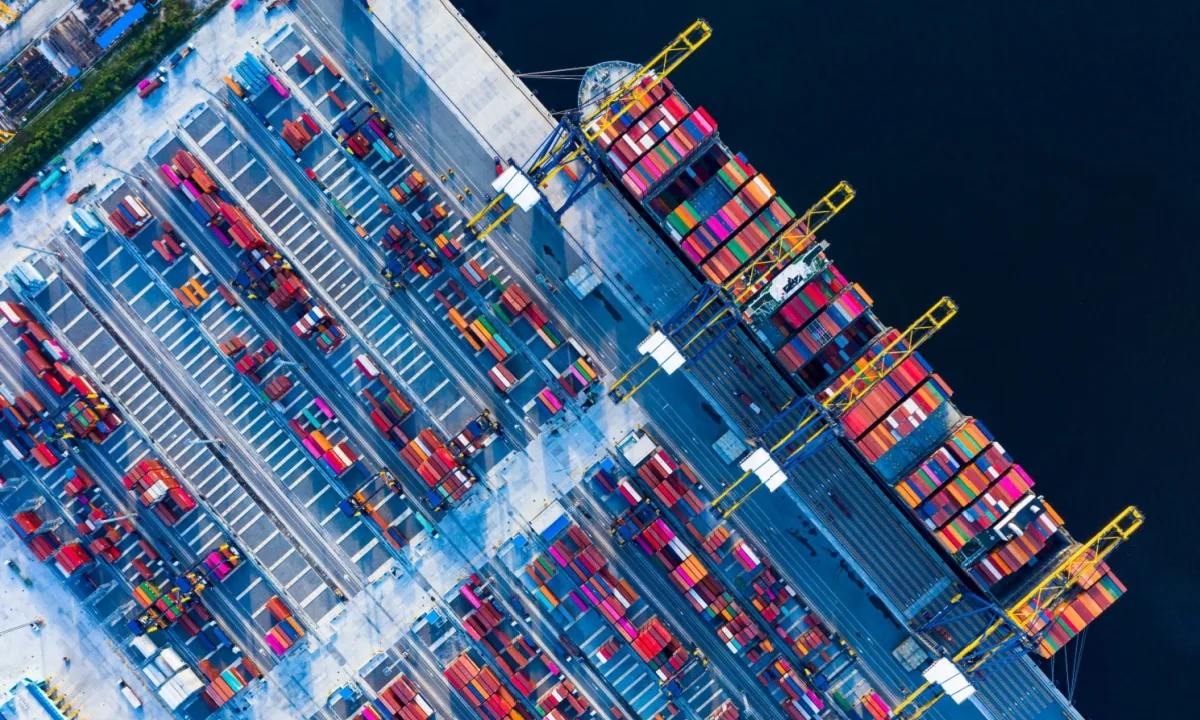
The New York Fed’s latest data indicates easing global supply chain pressures after recent disruptions, with AI innovations helping companies manage risks faster.
A recent report clarifies that Bath Iron Works contributes 1.6% to Maine’s GDP, correcting confusion from earlier claims based on production GDP figures.
A recent study clarifies that Bath Iron Works contributes around 1.6% of Maine’s GDP, correcting misconceptions about its economic impact on the state.

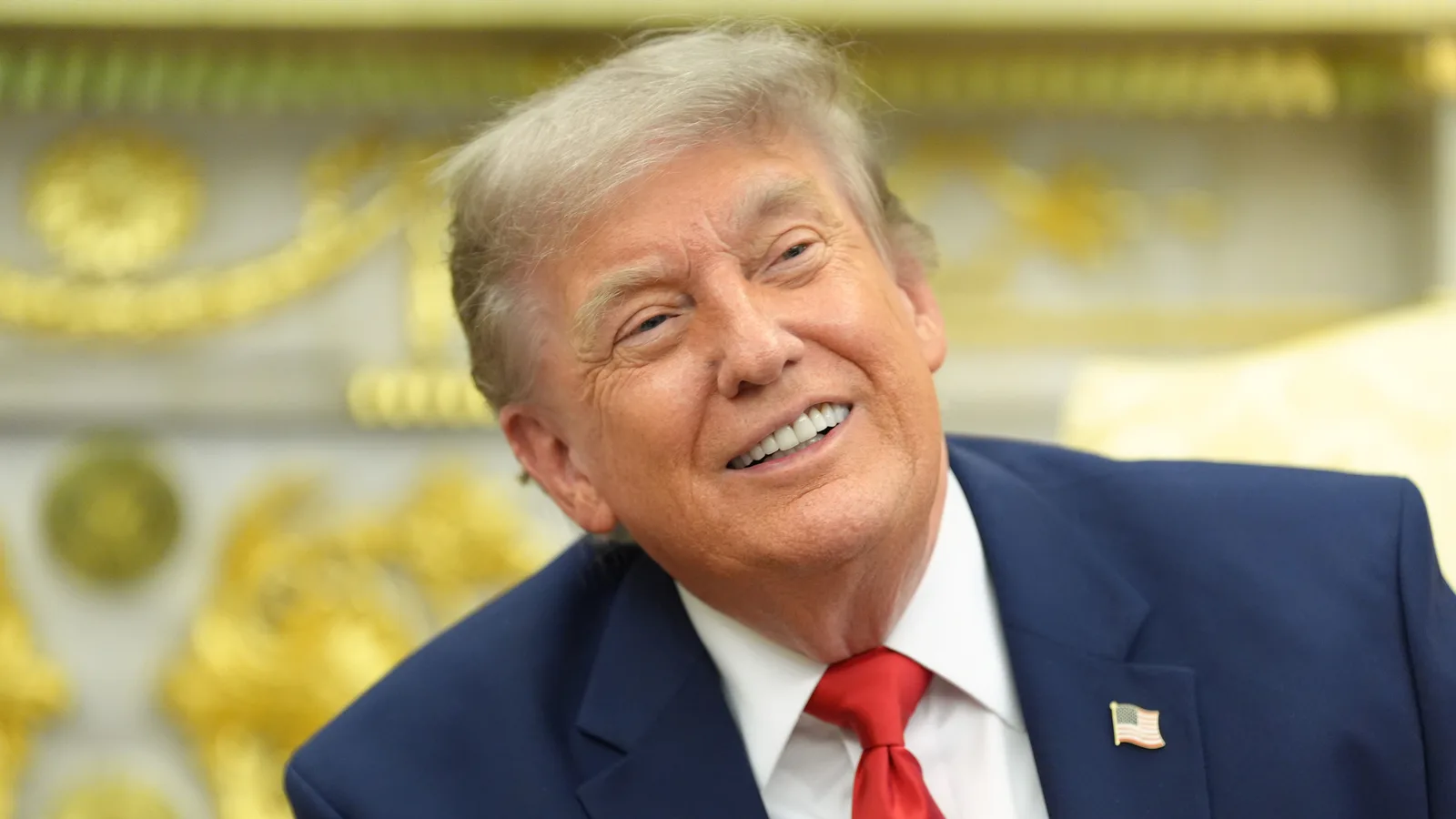
President Donald Trump marked the NYSE and Nasdaq opening bells to promote his economic record as inflation and low approval ratings weigh ahead of November midterms.

Gold prices remain stable near recent highs as silver slips, influenced by softer crude oil prices and easing speculation of further Federal Reserve interest rate hikes.

A leaked report predicts a severe market crash linked to AI developments, urging investors to prepare for substantial losses and offering strategies to mitigate impact.

A Federal Reserve Bank of Dallas paper connects the recent surge in unauthorized immigration to notable increases in home prices and rents across U.S. metropolitan areas amid ongoing political debate.

Recent AI-fueled market swings reveal new investment opportunities, with experts highlighting two stocks poised to benefit from ongoing AI innovation and strong fundamentals.

Inflation in Pakistan surged to 11.7%, driven by rising transport and food costs, raising concerns about prolonged economic slowdown and financial instability.