Chevy Equinox EV Owner Advocates Offering Rides to Counter Electric Vehicle Myths
A Chevy Equinox EV owner highlights how giving rides and sharing real experiences can effectively challenge common misconceptions about electric vehicles.


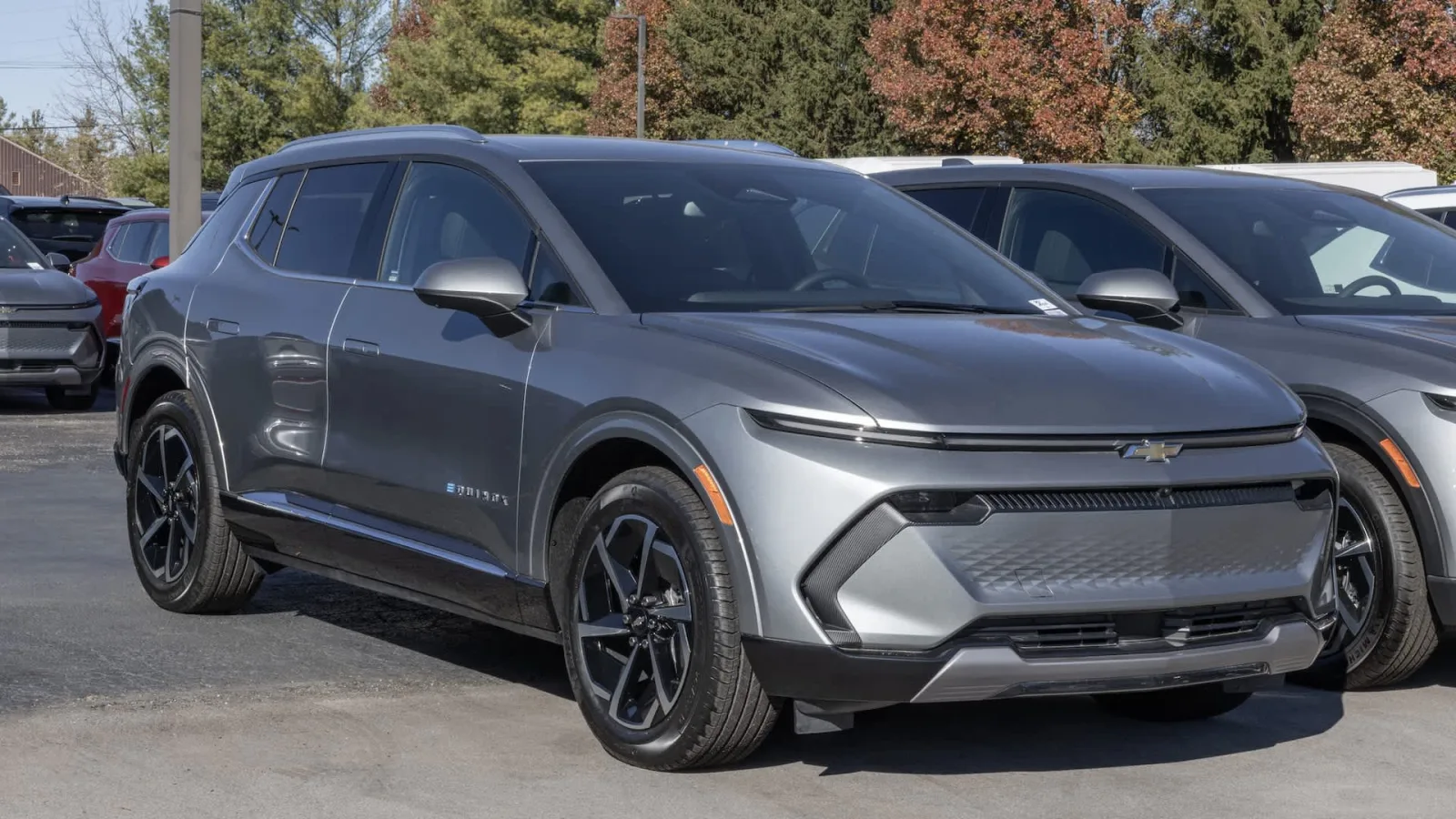
A Chevy Equinox EV owner highlights how giving rides and sharing real experiences can effectively challenge common misconceptions about electric vehicles.
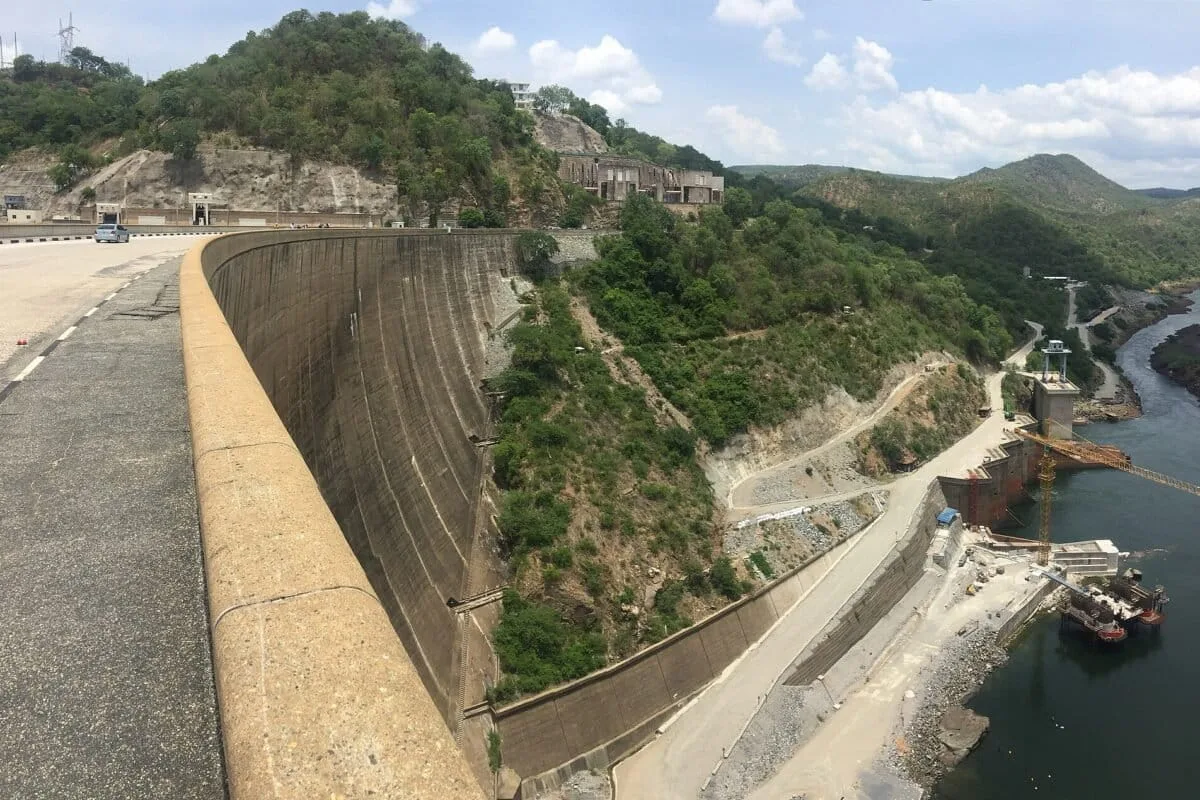
Severe droughts fueled by recent El Niño events have crippled hydropower in Zambia and Zimbabwe, pushing both countries to reconsider coal as a quick fix despite environmental concerns.
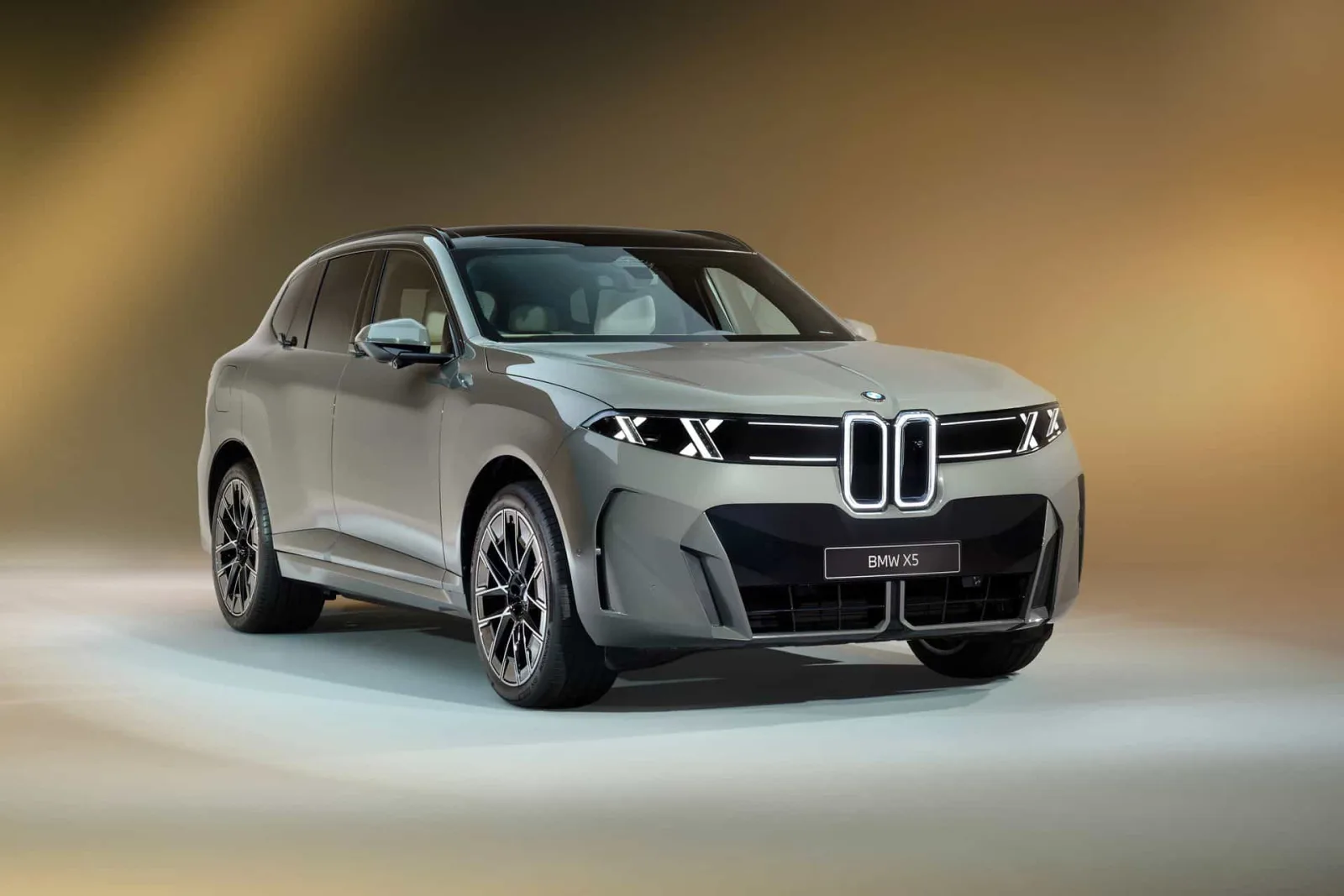
BMW estimates its electric iX5 SUV will offset its production emissions and become greener than the combustion X5 within one to two years, depending on usage and charging sources.

July saw India receive more rainfall than forecasted, highlighting increasing unpredictability in the monsoon season due to climate change and shifting ocean patterns.

As wildfires continue to rage across Southern Europe, thousands return home while experts warn the region faces severe impacts from climate change.

Unusually warm waters in the Pacific have raised humidity levels in Los Angeles, a city known for dry heat, intensifying summer discomfort and highlighting climate change impacts.

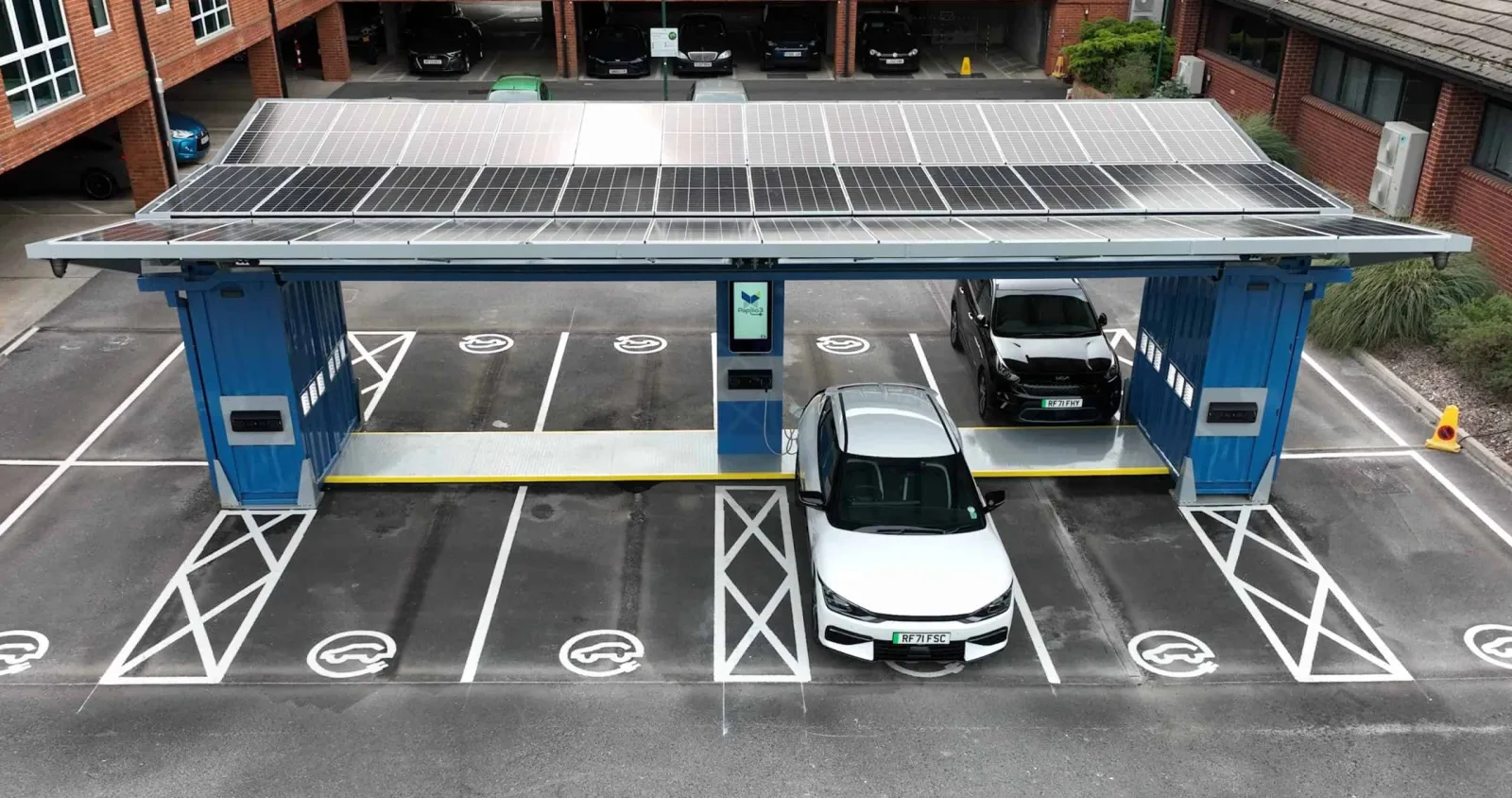
New research shows DC-coupled microgrids combining solar, storage, and bidirectional charging reduce energy costs and help fleets overcome grid limitations.
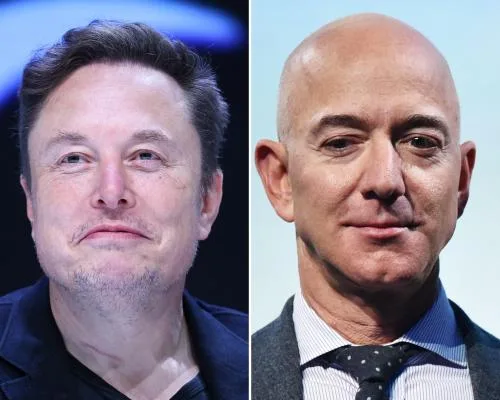
Environmental groups urge federal regulators to halt space datacenter projects by SpaceX and Blue Origin, citing pollution risks and ecological threats from satellite launches.

BYD introduces the Da Han sedan, combining a competitive price with an impressive electric range of up to 626 miles, challenging current EV market leaders.
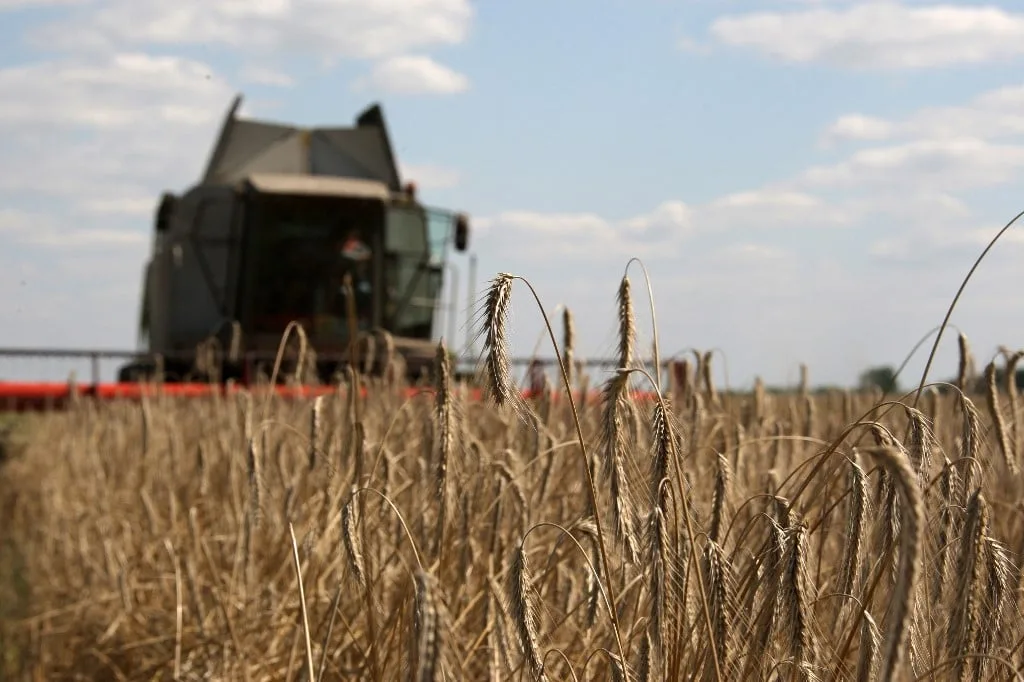
A recent study forecasts that Mediterranean climate zones may cover up to 45 percent of Turkey by 2100, raising concerns over wildfires, water scarcity, and agricultural impacts.
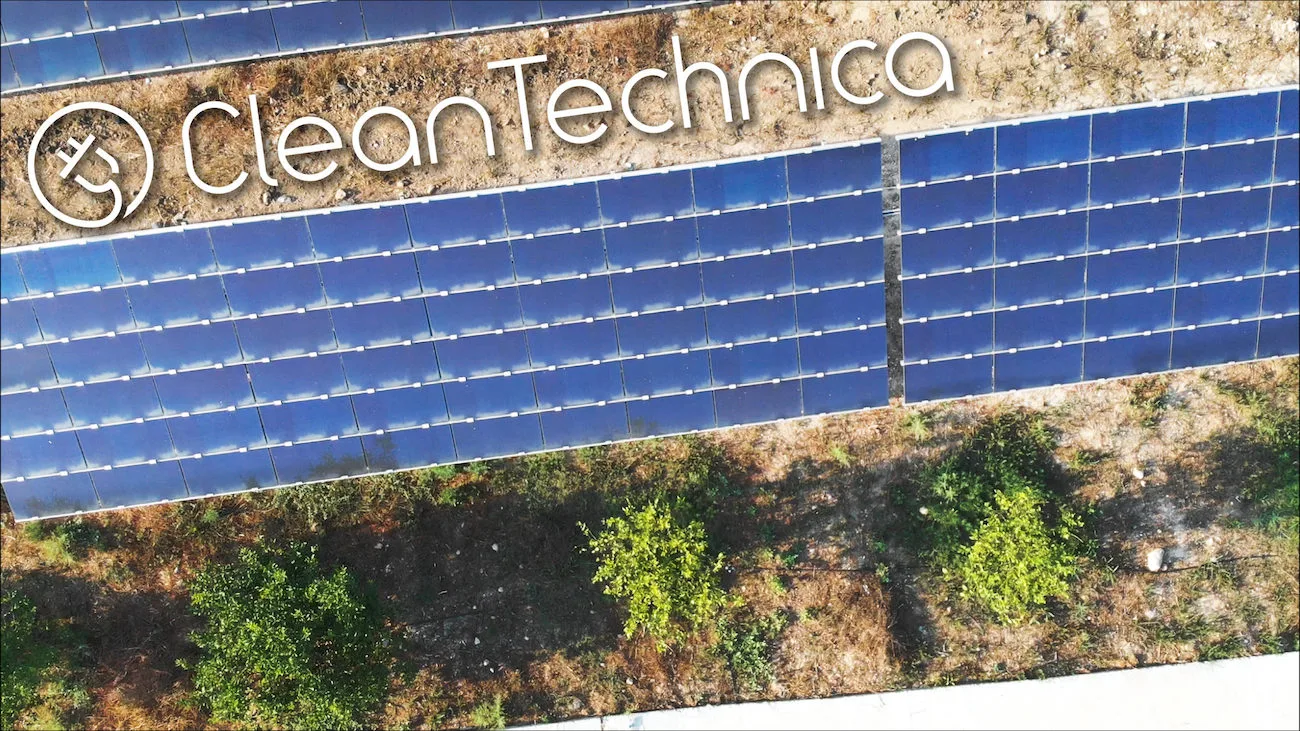
Renewables generated over 30% of U.S. electricity in early 2026, with solar, wind, and battery storage set to add substantial new capacity by mid-2027.
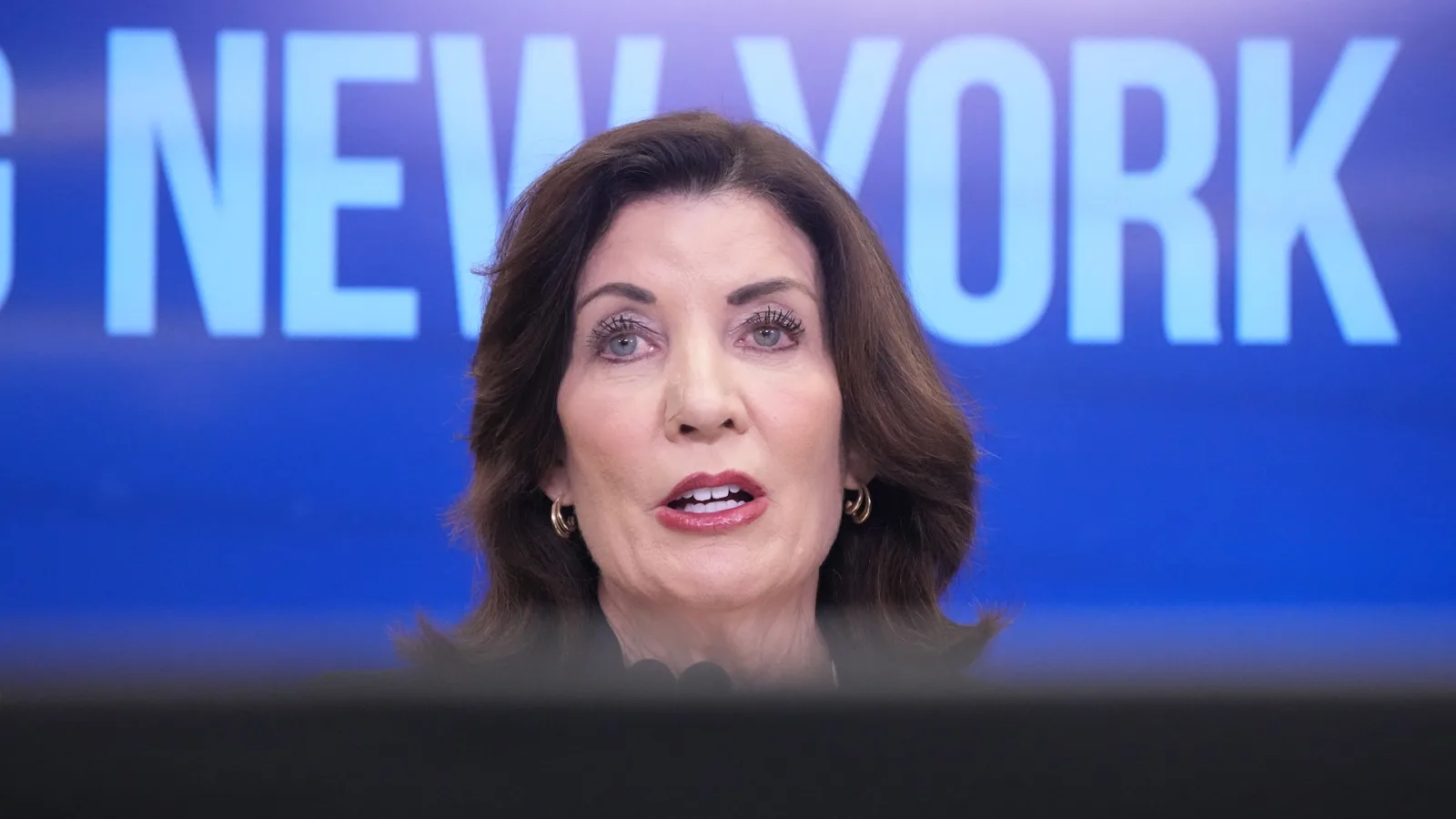
New York has become the first U.S. state to impose a one-year moratorium on new large data centers to address the rising energy, water, and cost pressures linked to expanding AI infrastructure.