

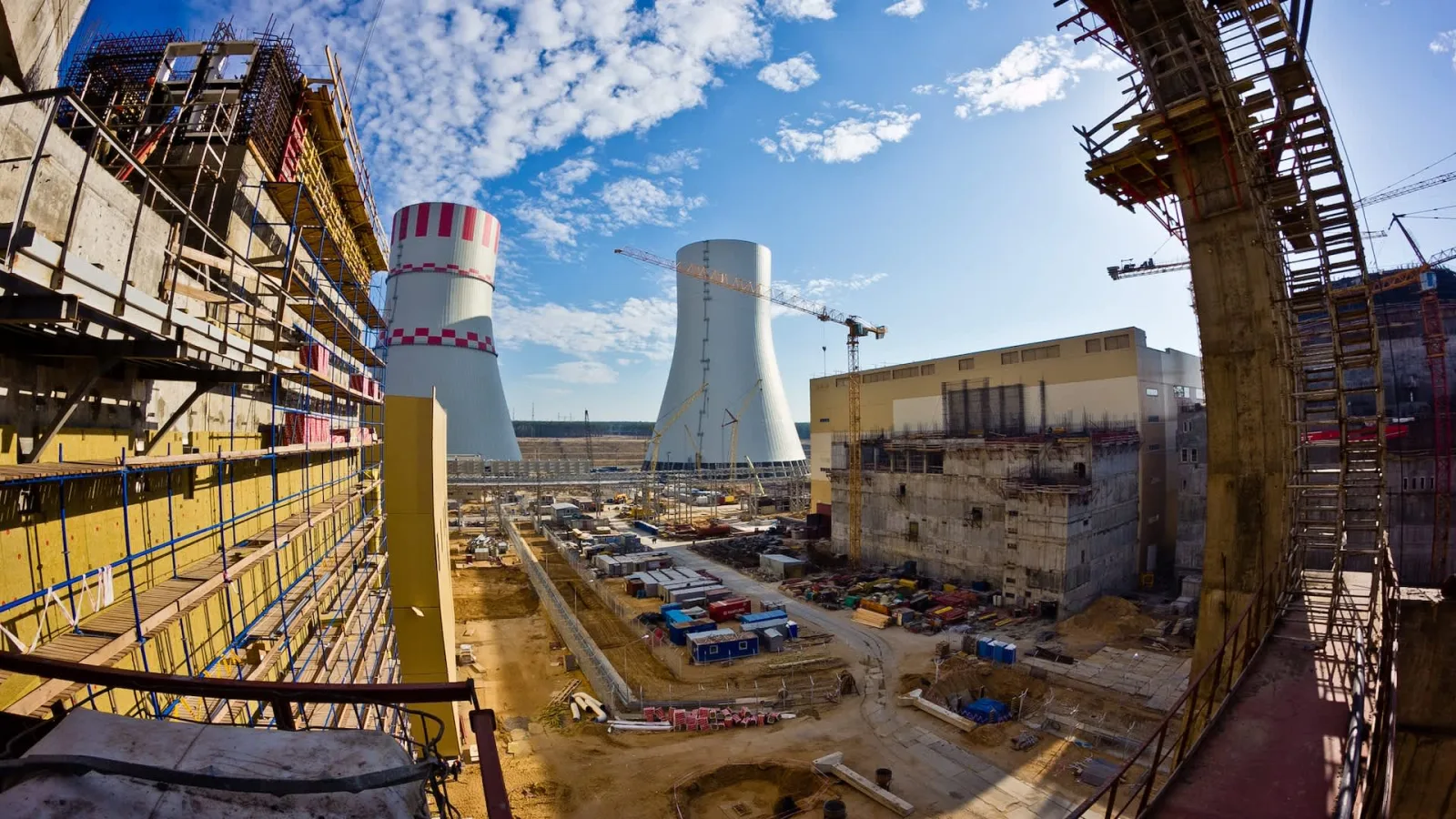
The Department of Energy (DOE) announced a financial initiative to speed up the development of 10 large-scale nuclear reactors across the United States. By allocating $17.5 billion in loans to five projects, the government intends to cut construction timelines by as much as three years, bringing more stable, low-carbon electricity online sooner to meet growing energy needs.
This funding targets reactors employing Westinghouse AP1000 technology, with each project featuring two reactors capable of generating approximately 1.1 gigawatts each — enough to power over 800,000 homes per reactor. These reactors are the only large-scale design currently licensed in the US, reinforcing their role in the nation’s energy future. The DOE’s strategy emphasizes financing costly and complex components that historically delay nuclear plant construction.

The loans will be distributed through five special purpose vehicles, each requiring nearly $1 billion in equity investments from Westinghouse and its partners before receiving funds. Although the specific plant locations have not been disclosed, the projects are said to be geographically diverse. Westinghouse has indicated potential partnerships with seven utilities or energy companies, broadening the scope of these initiatives.
Energy Secretary Chris Wright highlighted that the financial support aims to reduce the high upfront costs of nuclear projects, which are typically challenging due to long construction periods and regulatory complexity. The administration views these investments as critical to enhancing energy security and expanding clean energy infrastructure amid increasing electricity consumption, notably driven by data centers and artificial intelligence demands.
President Donald Trump previously set a goal to initiate construction on 10 large reactors by 2030 through an executive order, underscoring a federal commitment to nuclear power as a key element of future energy policy. Despite the benefits of reliable and low-emission electricity, nuclear energy remains controversial because of its expense, lengthy timelines, radioactive waste concerns, and safety considerations.
An intriguing aspect of the DOE’s plan involves potential financial backing from major technology companies. Officials expect these firms to enter into long-term power purchase agreements to secure dependable, emissions-free energy for their AI operations. Following the loan announcement, shares in Westinghouse’s parent company experienced a modest increase, signaling market confidence in the renewed focus on nuclear energy.