

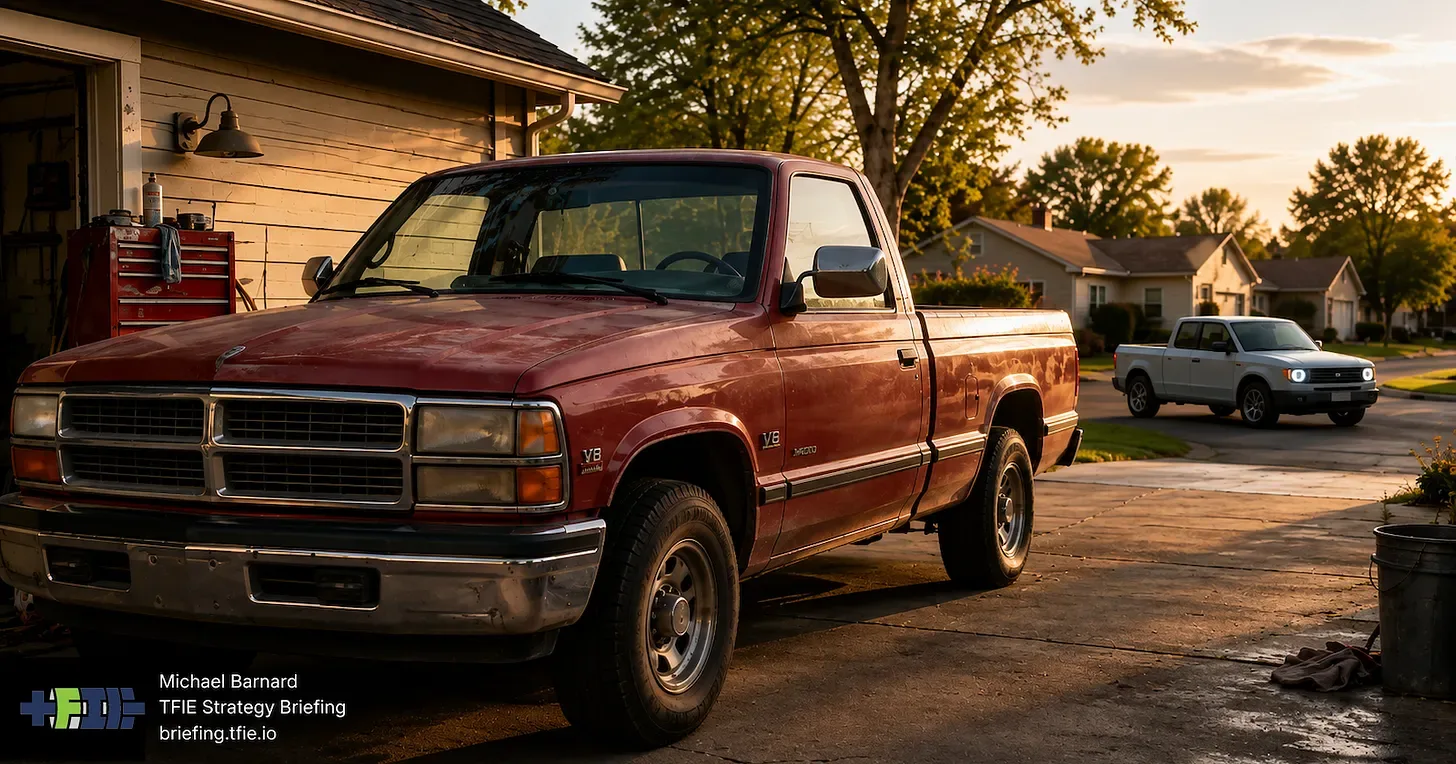
Many owners of older pickups find it reasonable to keep their vehicles running, especially when they are fully paid off. However, the arrival of affordable electric trucks and well-designed scrappage programs could change this dynamic by making the transition to cleaner vehicles more financially viable.
Traditional internal combustion pickups often remain in use for decades because their operating costs are manageable over time, and new vehicles—particularly electric ones—have historically been expensive upfront. Yet recent advances in electric truck pricing, combined with policies that encourage trading in older, less efficient vehicles, aim to align environmental goals with consumer economics.

Targeted scrappage incentives work by providing financial support to owners who replace aging gas-powered vehicles with newer electric alternatives. This approach tackles the common hurdle of high acquisition costs for electric trucks, making them a more accessible option. By removing older, higher-polluting vehicles from the roads, these programs contribute to reducing emissions while offering drivers a practical route to upgrade.
Moreover, the transition to electric pickups is supported by increasing model availability and improved infrastructure. As electric vehicle (EV) technology becomes more mainstream, consumers can expect better driving range, charging networks, and lower operating costs, creating a strong incentive to modernize their fleets.
Encouraging adoption also involves addressing barriers such as upfront price premiums and skepticism about EV performance in demanding work scenarios. Financial incentives connected to scrappage significantly ease this burden, often offsetting the initial expense and improving the total cost of ownership compared to keeping an older truck.
While a 1995 Dodge Ram exemplifies why some owners cling to legacy vehicles, the rapid evolution of EV options and incentive frameworks presents a compelling case for reconsideration. Strategic policy measures focused on affordability and replacement create a pathway for more sustainable transportation choices that benefit consumers and the environment alike.