

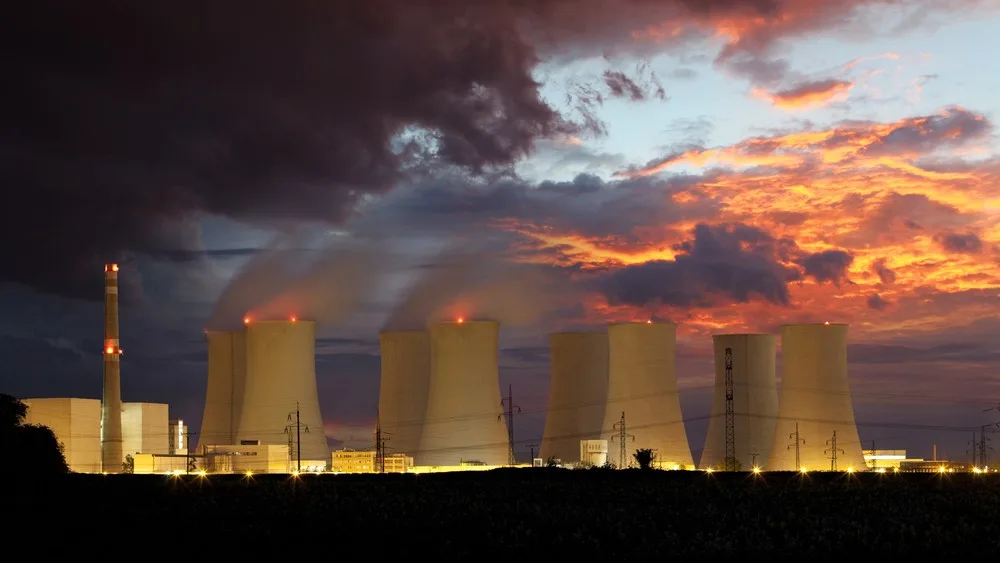
Europe is facing mounting challenges in maintaining nuclear power output as prolonged heatwaves push river and reservoir temperatures beyond safe operational limits for reactors. Nuclear plants rely on ample cool water to regulate their core temperature, but rising water temperatures across the continent restrict their ability to safely discharge heat, forcing output reductions or temporary shutdowns.
This phenomenon coincides with increased electricity demand driven by soaring air conditioning use during heatwaves, placing additional stress on power grids. Several countries have already reported lowered nuclear output, exacerbating risks to energy security amid ongoing transitions towards renewable sources.

The cooling water temperature thresholds are critical because exceeding them can damage reactor systems or harm aquatic ecosystems. Authorities are monitoring river flows and water temperatures to determine safe operating parameters. Some plants have sought special permits to continue running at reduced capacity, while others have temporarily idled reactors to comply with environmental regulations.
This situation highlights vulnerabilities within Europe’s energy infrastructure in the face of climate extremes. Nuclear power, a key low-carbon energy source, faces operational constraints not primarily due to technological failure but environmental conditions affected by climate change itself.
Efforts to mitigate these impacts include exploring alternative cooling technologies, increased reliance on other flexible power sources, and reinforcing grid resilience. The episodes underline the importance of diversifying energy portfolios and adapting infrastructure to a warming climate that is expected to increase the frequency and severity of heatwaves.