

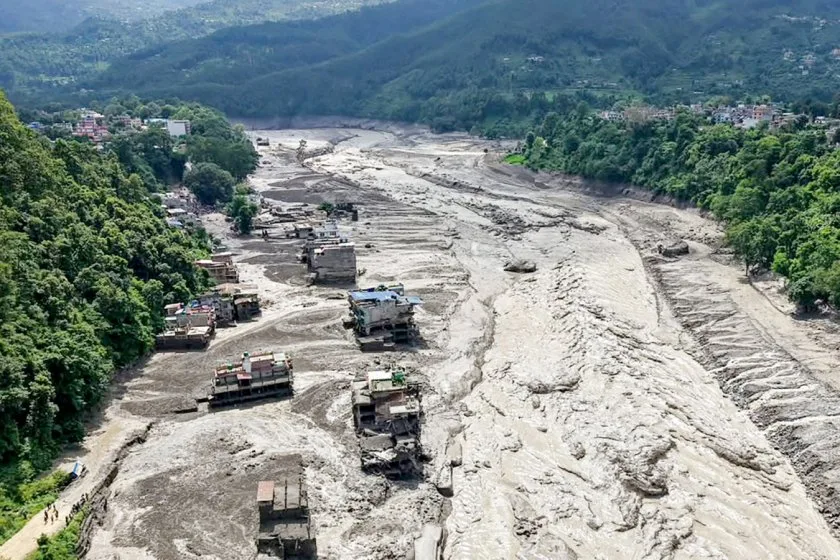
The recent devastating floods in Nepal have brought into sharp focus the unequal toll climate change takes on vulnerable populations. While extreme weather events accelerate globally, it is often the poorest communities that suffer the most severe losses, despite contributing least to the crisis.
This disaster exemplifies a disturbing "reverse Robin Hood" effect, where financial gains and resources increasingly concentrate at the top of the economic pyramid, leaving marginalized groups to shoulder the bulk of climate-related damages. The risk and hardship imposed by rising temperatures, unpredictable rainfall, and natural calamities amplify social and economic disparities.

In Nepal, the floods disrupted lives, destroyed homes, and claimed numerous lives, hitting rural and low-income families hardest. These communities generally lack access to adequate disaster preparedness, resilient infrastructure, and recovery resources—a factor that deepens their vulnerability to climate shocks. Meanwhile, wealthier individuals and corporations, whose activities have significantly contributed to global emissions, are insulated from immediate impacts.
This pattern is not unique to Nepal but reflects a broader international trend where environmental degradation and climate-related disasters exacerbate inequalities. The losses endured by those with limited means raise urgent questions about climate justice and the need for policies that address the root imbalances in responsibility and resilience.
Experts emphasize the importance of global cooperation to redirect climate finance and support toward affected communities. Without equitable investments in adaptation and mitigation, the cycle of disproportionate suffering will continue, deepening social divides and undermining sustainable development goals.
The Nepal floods serve as a stark reminder that combating climate change requires not only reducing emissions but also ensuring that the costs do not fall unevenly on the world’s most vulnerable populations. Addressing these inequities is essential to building a fair and effective response to the climate emergency.