

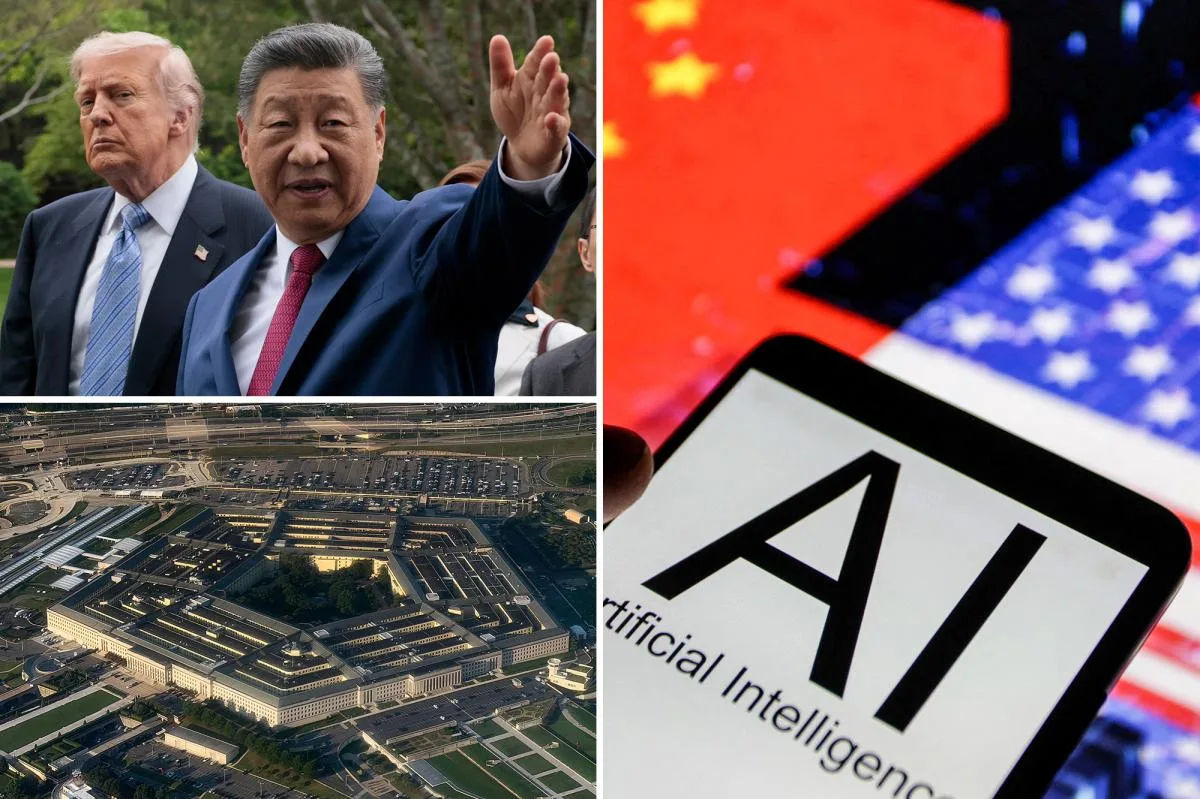
Several prominent American artificial intelligence companies are reportedly delivering data not only to Chinese AI developers but also to US Pentagon programs, a congressional representative with a strong focus on China has alerted. This dual engagement raises critical questions about data security and strategic risks amid growing US-China competition in AI technologies.
According to the lawmaker, four major data providers—key players in supplying training information for AI models—are simultaneously supporting projects linked to Beijing’s expanding AI ambitions while maintaining contracts or collaborations with the US military. This overlap presents a complex challenge for regulators and intelligence agencies striving to safeguard sensitive information that could bolster rival national security capabilities.

The confluence of these supply chains underscores the difficulties in controlling data flows in a globally interconnected tech ecosystem. US companies often operate in markets with conflicting interests, balancing lucrative international business with government partnerships. This situation amplifies worries that critical data could inadvertently strengthen foreign adversaries’ AI developments, including those that might pose threats to US defense strategies.
Experts note that data for AI training often includes vast troves of publicly available and proprietary information, which can be repurposed in unpredictable ways by end users. Without stringent oversight, the risk of sensitive or dual-use data leaking to foreign actors increases, complicating efforts to maintain technological advantages in AI.
The US lawmaker advocating for greater scrutiny calls for enhanced transparency and tighter controls on data sharing by US AI firms, especially when those companies engage simultaneously with foreign entities that the Pentagon considers potential threats. The challenge lies in crafting policies that protect national security without stifling innovation or international cooperation in emerging technologies.