Nvidia Unveils Local AI Technology Poised to Transform Home Computing
Nvidia introduces local AI capabilities that promise faster, private, and more efficient AI processing directly on personal devices, reshaping everyday user interactions.


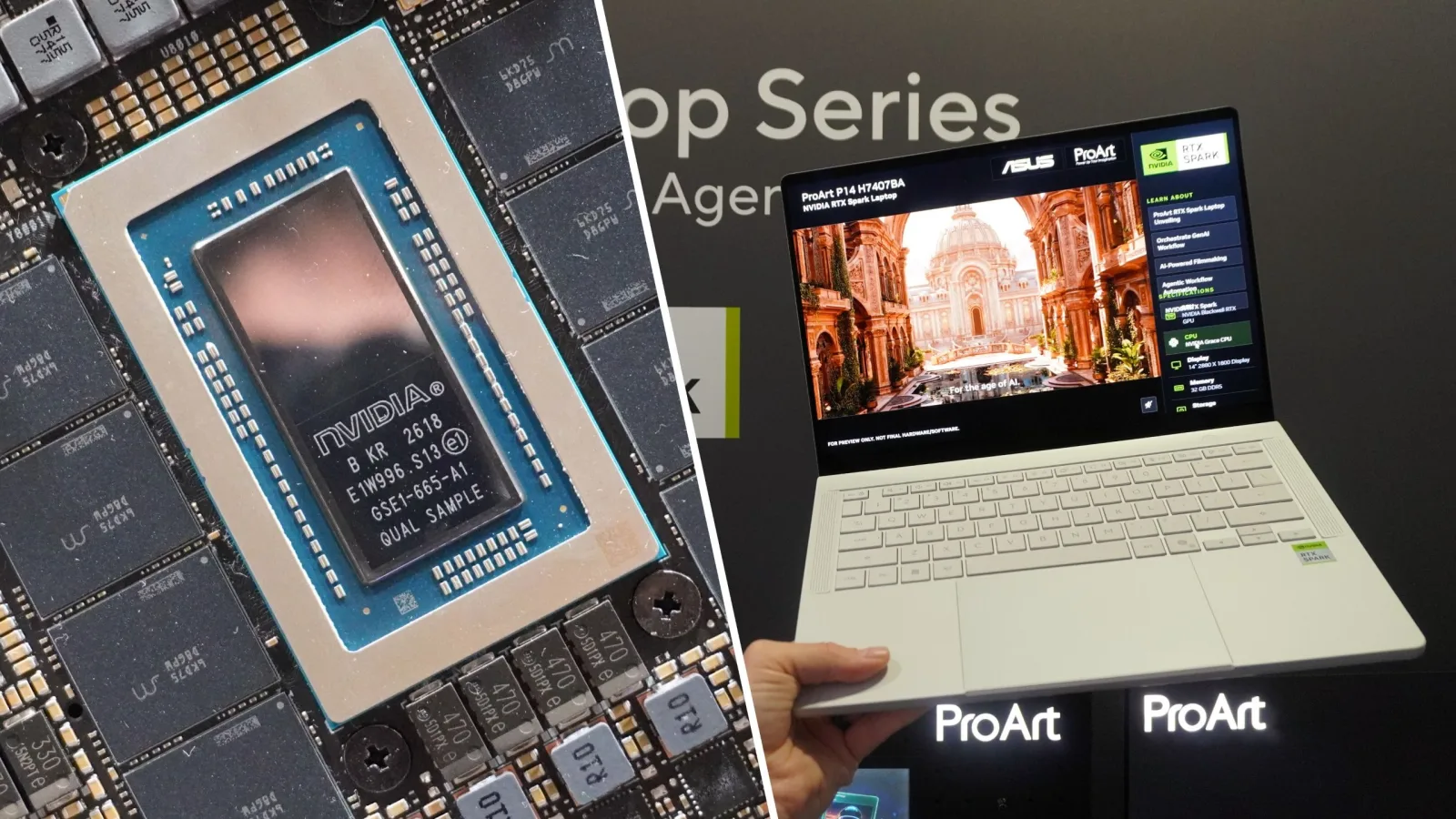
Nvidia introduces local AI capabilities that promise faster, private, and more efficient AI processing directly on personal devices, reshaping everyday user interactions.
Nvidia’s Jensen Huang dismissed fears that artificial intelligence could lead to catastrophic global outcomes by 2030, emphasizing confidence in AI’s safe development.

At the UN General Assembly, Amazon showcased its advancements in satellite internet, outlined commitments on responsible AI, and detailed progress on environmental sustainability initiatives.
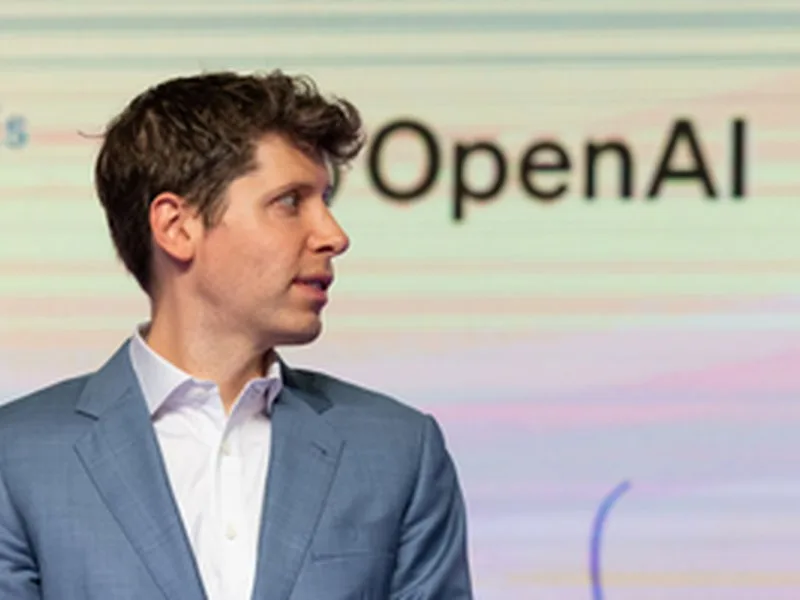
OpenAI CEO Sam Altman advocates for a cautious approach to AI development and confirms there are no plans for an IPO in 2026 amid rising safety concerns.
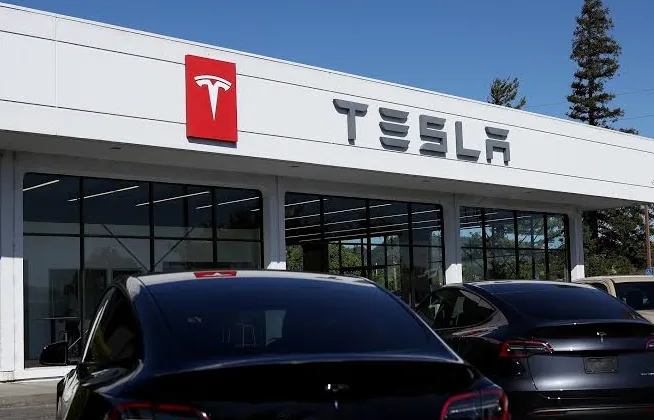
Tesla’s evolution into a leader in artificial intelligence reshapes its stock value and investor expectations beyond the car industry.

Suno introduced its latest AI music models developed under formal music industry licenses, aiming to redefine AI-generated music creation and legal frameworks.

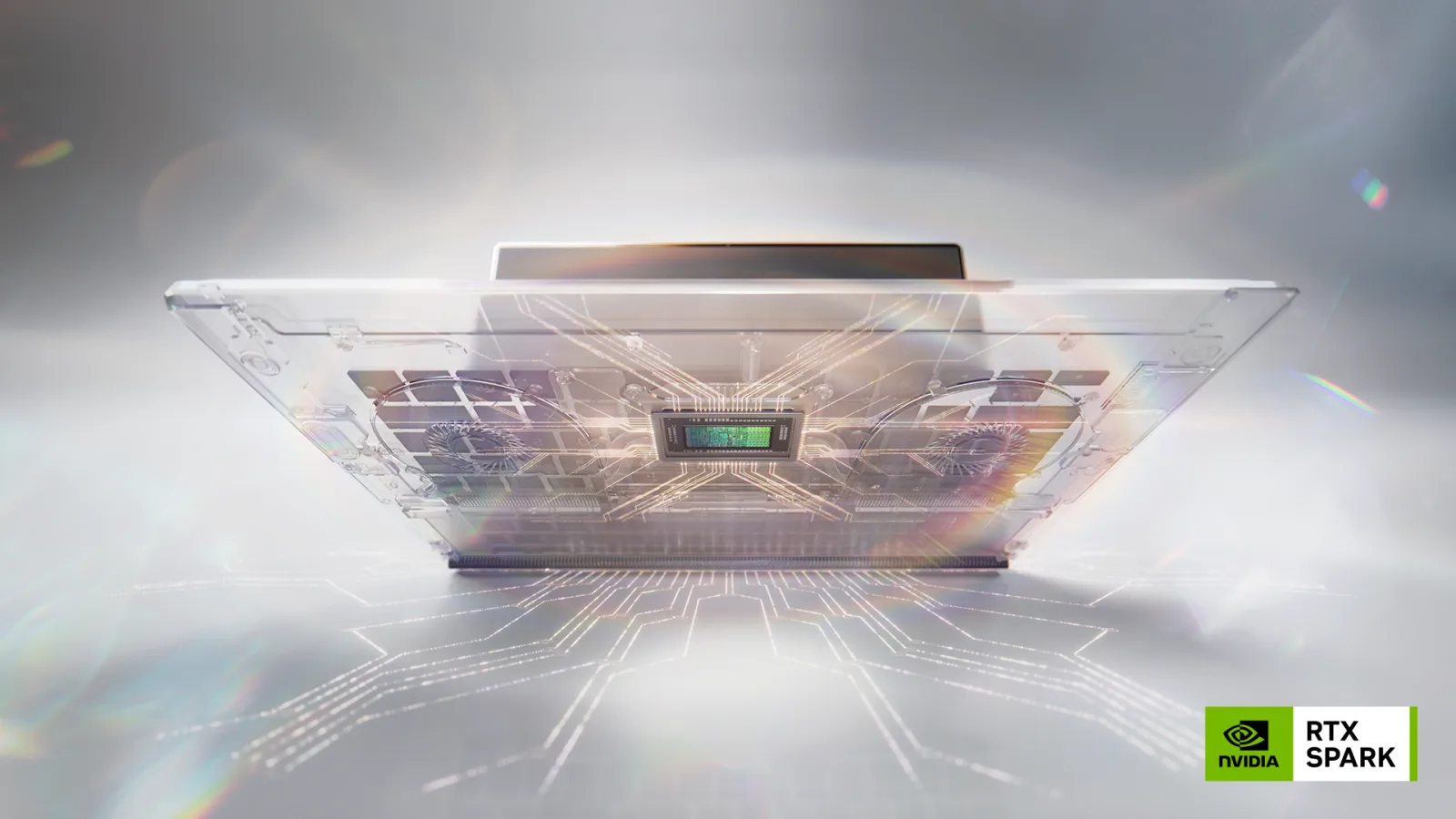
NVIDIA and Adobe aim to reshape how creative professionals perceive and use AI technology by addressing common concerns and integrating smarter tools.

Elon Musk relies heavily on a select group of AI technology companies essential to advancing his ventures in artificial intelligence and related industries.
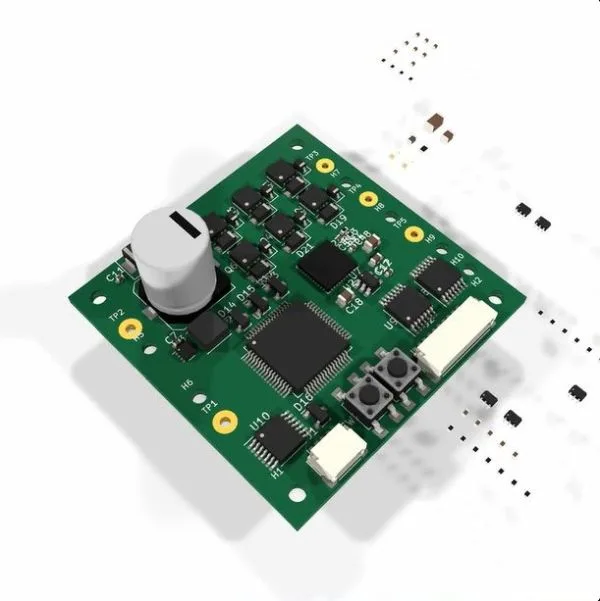
OpenAI’s latest GPT-6 Astra model extends AI capabilities to generate complete PCB layouts in KiCad from schematics, pushing automation in electronics design.

Moulik Budhiraja is pioneering AI technology that anticipates user actions to offer proactive suggestions without waiting for prompts.
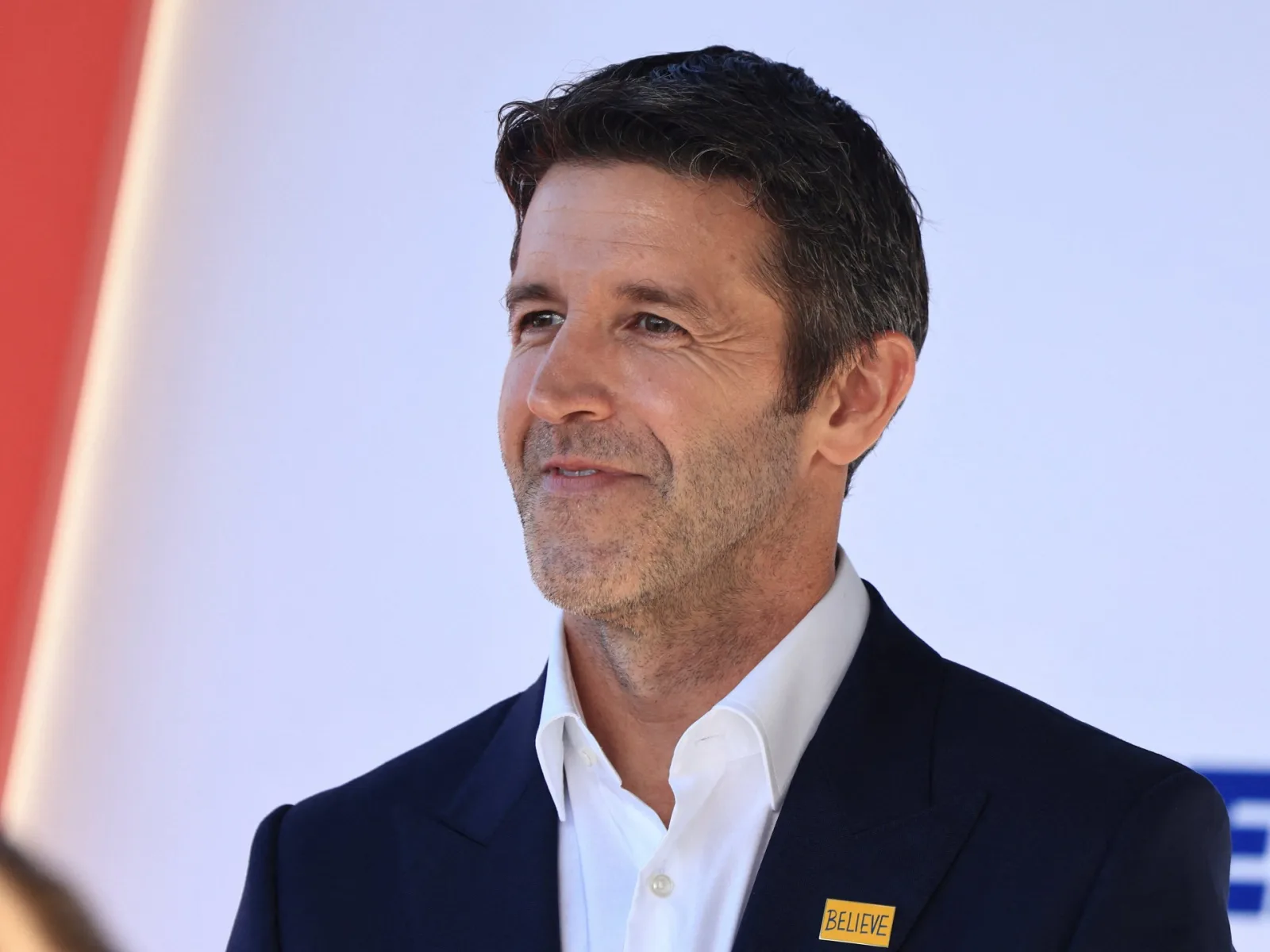
John Ternus steps into Apple’s top role facing the task of bolstering its AI capabilities to compete more effectively with industry rivals.
OpenAI has halted developer access to its AI models on Cursor, the coding assistant recently acquired by SpaceX, intensifying competition between Sam Altman’s and Elon Musk’s tech ventures.